


Lowering electricity cost: CCoE approves NEP amendments, IEP design
Pakistan's government approved amendments to its National Electricity Plan and a new Integrated Energy Plan to improve energy security, lower costs, and increase cleaner energy, alongside addressing massive circular debt.
- National Electricity Plan amendments for energy security and cost reduction.
- Long-term Integrated Energy Plan for cleaner, affordable power.
- Escalating circular debt in the power and gas sectors.

ISLAMABAD: The government on Tuesday approved amendments to the National Electricity Plan (NEP) 2023-27 and the high-level design of an Integrated Energy Plan (IEP) for 2027-60, aimed at improving energy security, lowering electricity cost and increasing reliance on cleaner energy sources.
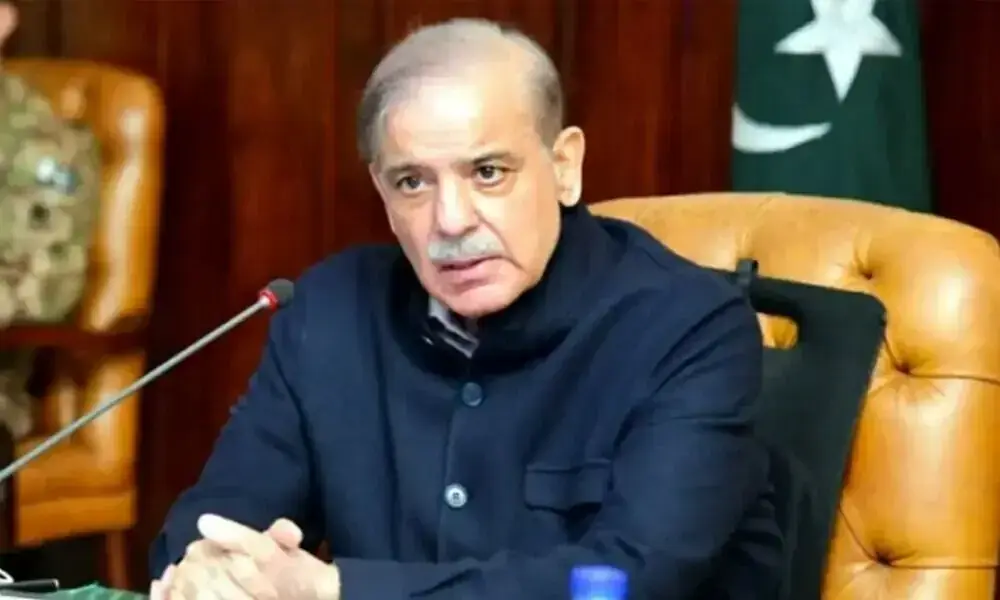
The decisions were taken at a meeting of the Cabinet Committee on Energy (CCoE), chaired by Prime Minister Shehbaz Sharif.
The amendments to the National Electricity Plan, presented by the Power Division, cover integrated energy planning, expansion of generation and transmission capacity, renewable electricity supply to remote areas, cross-border electricity trade, tariff design and energy conservation.
The revised plan also provides for reforms in system and market operations, risk identification and management, administrative arrangements, development of local capacity in fuel and energy technologies, research and development and digitisation of the power sector.
The committee approved the amendments but directed the Power Division to hold further consultations with Khyber Pakhtunkhwa government and National Electric Power Regulatory Authority (Nepra).
The committee also approved the high-level design report for the Integrated Energy Plan 2027-60, submitted by the Power Division. The proposed plan will involve the federal and provincial governments and other stakeholders and provide a long-term framework for the energy sector.
According to the government, the plan is intended to strengthen energy security and economic competitiveness while ensuring electricity is available to industrial and domestic consumers at affordable prices. It also envisages greater reliance on low-carbon and environmentally friendly sources of energy and power generation, with a focus on climate resilience.
The committee was also briefed on the financial position of the power and gas sectors.
The Power Division submitted its report on power-sector circular debt for the financial year 2025-26, while the Petroleum Division presented a separate report on gas-sector circular debt for the same period.
According to officials, by June 30, 2026, power-sector circular debt was estimated at between Rs1.675 trillion and Rs1.835 trillion.
The official net increase in the debt was reported at Rs61 billion after partial budgetary adjustments, while a separate calculation showed an increase of Rs364 billion, attributed to system inefficiencies.
In the petroleum and gas sector, principal circular debt stood at more than Rs1.8 trillion, while total gas-sector liabilities exceeded Rs3.44 trillion.
Copyright Business Recorder, 2026




















Comments