


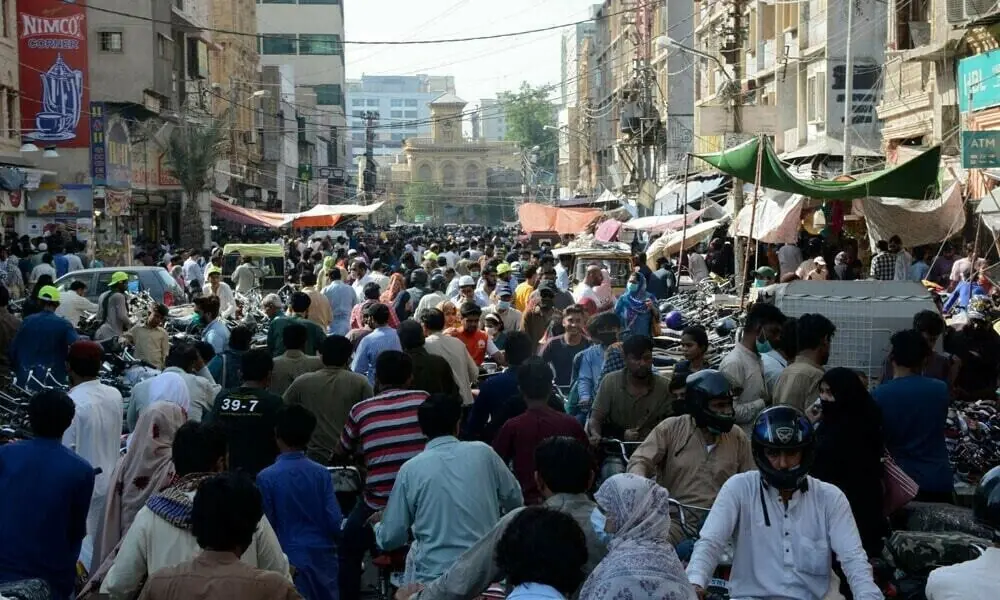
Urbanisation is often regarded as a sign of economic progress. Cities provide employment, education, healthcare and countless opportunities that are difficult to find in rural areas. Millions of people therefore leave their villages and smaller towns every year in search of a better life in urban centres. Yet rapid and poorly planned urbanisation has an unintended consequence that receives far less attention: the gradual decline of community life.
Traditional communities were generally built around close social relationships. Neighbours knew one another, families lived close together, and there was a sense of collective responsibility in which people looked after one another during times of difficulty. Urban life, by contrast, can be remarkably anonymous. People may live in the same apartment building for years without knowing the names of those living next door. One reason for this change is the fast pace of urban life.
Long working hours, lengthy commutes and the constant pressure to earn a livelihood leave people with little time for social interaction. Modern cities must therefore learn to balance economic development with social wellbeing. Progress should not come at the cost of human connection. A city becomes truly liveable not when its buildings become taller, but when its people continue to feel that they belong to a community.
Saeed Hassan, Bahawalpur
Copyright Business Recorder, 2026






















Comments