


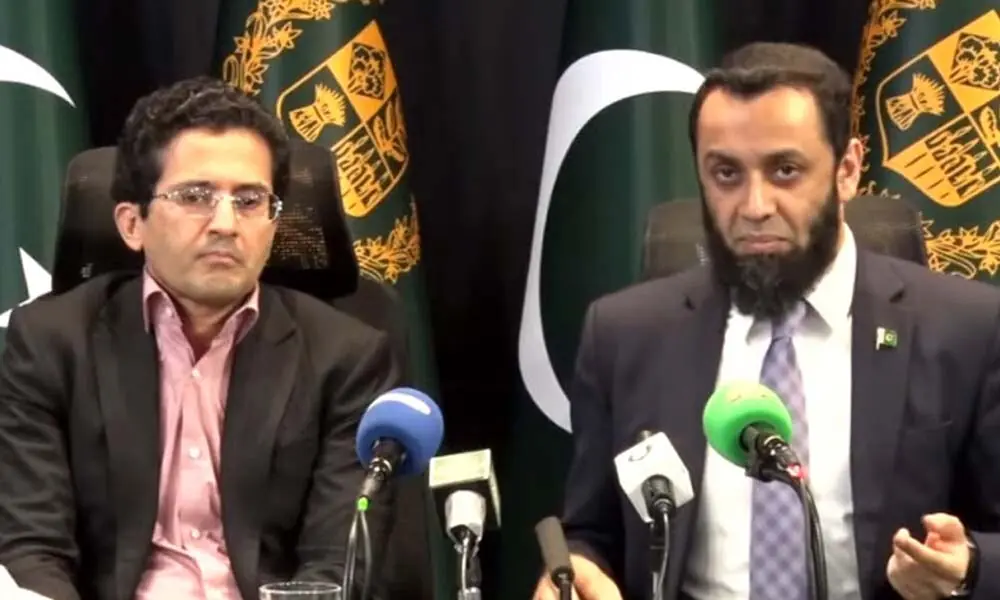

ISLAMABAD: Under pressure to explain rising fuel costs as global oil prices surge, the government on Friday announced a new transparency measure under which the Oil and Gas Regulatory Authority (Ogra) will review petroleum prices daily and publish pricing data on its website to support weekly fuel price calculations.
Speaking at a press conference alongside Information Minister Attaullah Tarar, Petroleum Minister Ali Pervaiz Malik said the federal cabinet, chaired by Prime Minister Shehbaz Sharif, had authorised Ogra to determine petroleum prices on a daily basis and make the information publicly available.
The decision, he added, was intended to align domestic pricing with international market movements while avoiding additional risk to the state.
READ ALSO: Petroleum pricing committee proposes transparency reforms amid global market uncertainty
Ogra will publish the Platts benchmark rates – a global reference used in petroleum pricing – along with a breakdown of the various components that determine the final price paid by consumers at fuel stations.
The minister described the move as a major step towards deregulating the petroleum sector, saying greater visibility into pricing would help counter criticism and clarify the forces driving fuel costs.
A Petroleum Division committee examining energy security issues is expected to submit its recommendations within 15 to 20 days, he said.
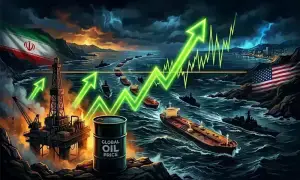
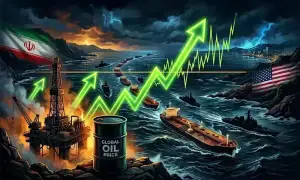
Malik attributed the recent rise in international fuel prices to renewed regional tensions, saying global diesel prices had increased from USD 110 to USD 140 a barrel, while petrol prices had risen from USD 79 to USD 100 a barrel.
The government’s aim, he added, was to publish sufficient information for consumers to understand why certain price increases could not be avoided.
Tarar said the petroleum levy was currently lower than it had been before the war and rejected suggestions that the government had raised the levy.
He said efforts had been made to reduce the burden on consumers and argued that daily price assessments would improve transparency.
He also urged a transition towards electric vehicles and electric motorcycles, saying the expansion of electric mobility required cooperation from both the public and private sectors.
Responding to criticism of oil marketing companies, Tarar said claims that firms were earning excessive profits were inaccurate.
He said companies were being closely monitored and warned that while legitimate business profits were acceptable, attempts to exploit a crisis for excessive gains would not be permitted.
Copyright Business Recorder, 2026










Comments