


Risk aversion compounding oil-driven pressure on Indian rupee, RBI in focus
- The Indian rupee is expected to open in the 96.40-96.44 range to the US dollar, per traders, having settled at 96.3450 on Thursday


MUMBAI: The Indian rupee is likely to extend its decline at Friday’s open, with a deteriorating risk appetite adding to headwinds from rising crude oil prices.
The Indian rupee is expected to open in the 96.40-96.44 range to the US dollar, per traders, having settled at 96.3450 on Thursday.
The currency is on a four-session losing streak, during which it has slipped past levels that many market participants had expected to provide significant resistance.
The currency now sits less than 0.5% away from its record low of 96.96 per US dollar, hit in May.
While the Reserve Bank of India has been intervening almost daily in both the spot and non-deliverable forward markets to support the currency, traders said the scale of intervention has been relatively measured considering the intensity of the pressure on the rupee.
The currency has come under pressure despite a turnaround in portfolio flows, particularly on the equity side. Foreign investors have purchased about $1.5 billion worth of Indian equities so far this month, marking a major reversal from the more than $5 billion of outflows recorded in June.
Foreign flows into debt have also remained positive, with overseas investors investing roughly $500 million so far this month, adding to the more than $3 billion that flowed into Indian debt in June.
“You have to think it is the usual importer demand and exporter-related flows” that are weighing on the rupee, a currency trader at a bank said.
There have been a few “chunky” outflows too, and the RBI has not shown intent to defend a particular level aggressively, he added.
Risk aversion, oil
Asian equities fell and U.S. equity futures extended losses, while Brent crude hovered near $85 a barrel after rallying about 12% this week due to escalating hostilities in the Middle East.
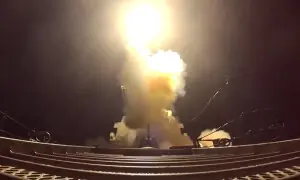
The United States and Iran have stepped up attacks across the Gulf region, with the collapse of their ceasefire raising concerns about disruptions to oil flows through the Strait of Hormuz, a critical artery for crude supplies.



















Comments