


Qatari LNG tanker at risk of exploding after two vessels struck
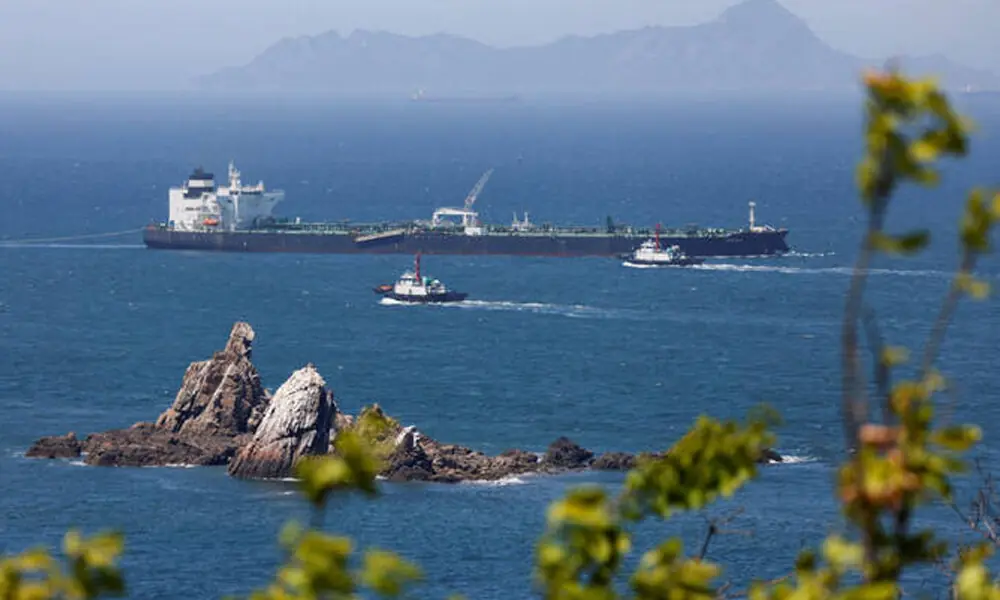

DOHA: Three tankers were hit in the Strait of Hormuz on Tuesday, including an LNG carrier at risk of explosion, as huge crowds mourned Iran’s slain Supreme Leader Ayatollah Ali Khamenei in the holy city of Qom. Qatar blamed Iran for the attack on a huge Qatari liquefied natural gas tanker, the Al Rekayyat, which reported being struck overnight by a drone that caused a fire in its engine room.
The crew were safe and being evacuated, but maritime security sources told Reuters the fire could put the ship at risk of explosion.
A Saudi-flagged crude oil tanker, believed to be the supertanker Wedyan, was also damaged off Oman, maritime security sources said. The cause was not immediately clear.
“Mayday mayday mayday. This is vessel Al Rekayyat, LNG vessel Al Rekayyat. We are being hit by drone on port side, top of engine room,” the Qatari tanker’s captain said in a recorded radio call reviewed by Reuters. “Status: engine room fire and full of smoke. Unable to assess further damage.” Qatar’s foreign ministry said it had summoned Iran’s deputy ambassador and handed him a protest note following the attack on the tanker. The ministry said the note called on Iran to provide urgent clarifications on the incident and take immediate measures to prevent a recurrence. Foreign ministry spokesperson Majed Al Ansari said it was an unacceptable attack on the security of international navigation and global energy supplies, and a clear violation of international law.
There was no immediate comment from Tehran, or any claim of responsibility. Iran’s Press TV cited an official as saying traffic through Hormuz was conducted in line with Iran’s arrangements, adding that any “provocative action” by the US would be met with an immediate and decisive response. The unidentified official did not mention Tuesday’s attacks.
A US official, speaking on condition of anonymity, said initial indications were that Iran had fired at three commercial vessels. It was unclear whether the three attacks cited by the official included an incident reported later on Tuesday by British navy-affiliated agency UKMTO in which a tanker was struck by a drone while transiting the strait.
The vessel sustained minor damage but was able to sail to its next port of call, the agency said. The incidents were the first reported attacks in the strait since mourning for Khamenei began last week, underscoring persistent risks to Gulf shipping despite last month’s interim peace deal.
TRUMP: ‘MAKE A DEAL OR WE’RE GOING TO FINISH THE JOB’
The war has been paused under the interim peace deal reached last month, intended to provide a 60-day period for negotiations on a permanent deal. A round of indirect talks in Qatar ended last week with no sign of headway towards a lasting peace. US President Donald Trump has repeatedly threatened to resume bombing, most recently on Monday when he told reporters in the Oval Office: “We’re either going to make a deal or we’re going to finish the job….. We can knock down their bridges in one hour, we can knock out their energy supply.”
Iran’s Foreign Minister Abbas Araqchi said that under the terms of the interim ceasefire memorandum, negotiations on the final deal would “not commence if threats continue”.
“Honor your signature,” he wrote on X. Israeli Prime Minister Benjamin Netanyahu signalled his own reservations about where the diplomatic track is heading. In a CNN interview, Netanyahu said it was too early to say how negotiations with Tehran will play out, but hinted at a continuing divergence with the White House over whether diplomacy can ultimately neutralize Iran’s nuclear program. “The President believes that he can stop Iran’s nuclear program,” Netanyahu told CNN, adding that he has his doubts. Nevertheless, Trump should be “given the chance” to achieve that goal, Netanyahu added, insisting the two governments were aligned on Iran strategy. “On the big things we see eye to eye, and occasionally we don’t, but we’re true allies,” he said. Oil prices, which have returned to around the prewar level since last month’s interim deal, rose more than 2 percent on Tuesday following the incidents in the waterway.
In launching the war four months ago, Trump said his aims were to destroy Iran’s nuclear and missile programmes, end its ability to threaten its neighbours and create conditions for Iranians to topple their leaders.
None of those goals has been met, although Washington says a permanent deal will halt what it says is an Iranian programme that could make a nuclear bomb, which Iran says it never, sought.













Comments