


AGP tells Ogra to follow gas tariff regime
The Auditor General directed OGRA to strictly follow the gas tariff regime for adjusting gas companies' previous years' shortfalls, which OGRA had reportedly not included, violating established regulations.
- Auditor General's directive on gas tariff regime compliance.
- Non-adjustment of SNGPL's Rs 529 billion prior-year shortfall.
- Recommendations for adjusting shortfalls to mitigate consumer burden.
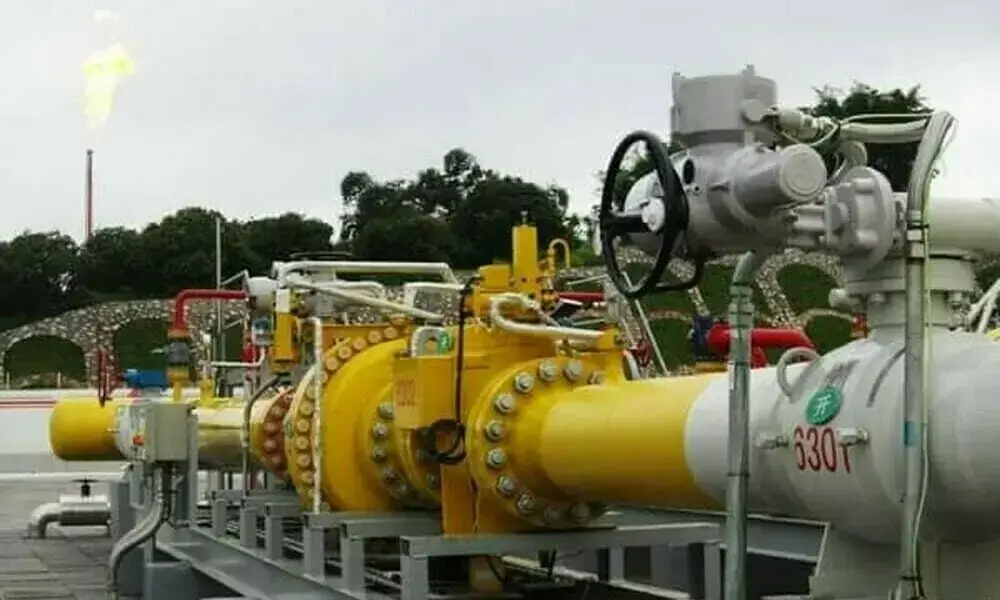
ISLAMABAD: The Auditor General of Pakistan (AGP) directed the Oil and Gas Regulatory Authority (OGRA) to strictly follow the gas tariff regime in adjusting previous years’ shortfalls of gas companies, Sui Northern Gas Pipelines Limited (SNGPL) and Sui Southern Gas Company Limited (SSGCL).
In its recent report, the Audit is of the view that adjustments should be made for recouping prior years’ shortfalls as per the Tariff Regime.
During the audit of SNGPL for the Fiscal Year 2024-25, it was observed that the Authority, while determining the Final Revenue Requirement of the company, did not include the previous years’ shortfall amounting to Rs 529,345 million, purportedly in light of the Federal Cabinet decision dated June 30, 2024, which provided that OGRA considers the revision of category-wise prescribed prices of both the companies to account for any anticipated surplus revenues enabling Sui Companies to meet their prior year shortfall/stock of gas circular debt.
The audit observed that the tariff regime, determined by the Authority under powers conferred by the OGRA Ordinance 2001, explicitly provided for adjustment of the prior year’s shortfall either in lump sum or in piecemeal over a specified period. The non-adjustment of previous years’ shortfall was, therefore, in violation of the tariff regime.
According to the tariff regime effective from Fiscal Year 2018-19 for the regulated natural gas sector in Pakistan, prior years’ adjustment, including un adjusted shortfall in the total revenue requirement, about a financial year(s) shall be adjusted by the Authority in the revenue requirements of succeeding other financial years(s) in a lump sum or staggered over the periods.
The matter was reported to the management in December 2025. In Departmental Accounts Committee (DAC) meeting held on December 24, 2025, the management stated that in compliance with the ECC policy guidelines, while determining the Review of Estimated Revenue Requirement (DRERR) for the FY 2025-26, the Authority had utilized the surplus available in the revenue requirement to adjust the prior-year shortfall. This confirmed that the ECC policy guidelines had consistently been followed and the treatment of prior-year adjustments fully aligned with the mechanism prescribed by the Government and applied by OGRA.
The DAC directed the management to pursue the matter with Petroleum Division for the resolution of the issue of non-adjustment of previous years’ shortfall.
Audit recommends ensuring adjustment of previous years’ shortfalls in accordance with the tariff regime, or adjusts the shortfall against excess return arising due to the calculation of weighted average cost of capital (WACC) based on assumed capital structure. If the latter strategy had been adopted, the burden on the consumer would be mitigated while also ensuring implementation of the DAC’s decision.
Copyright Business Recorder, 2026























Comments