


Brent settles at lowest since before start of Iran war
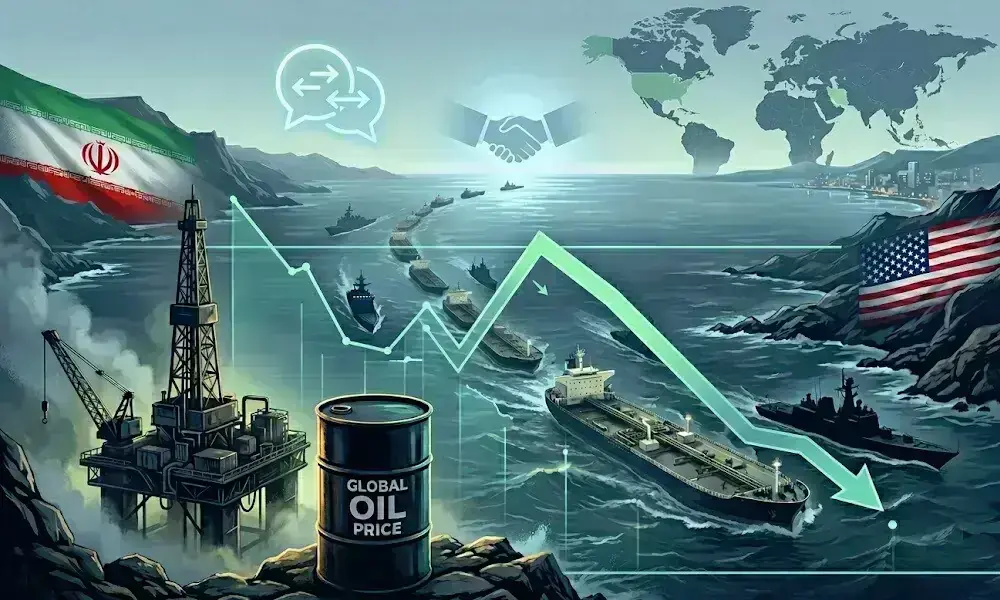

HOUSTON: The benchmark global oil price declined more than USD 3 on Wednesday to settle at its lowest level since before the start of the Iran war as supply concerns eased with more stranded oil tankers exiting the Strait of Hormuz.
Brent crude futures closed USD 3.34, or 4.3 percent, lower at USD 73.74 a barrel, while US West Texas Intermediate settled USD 2.87, or 3.9 percent, lower at USD 70.34 a barrel.
Brent touched a low of USD 73.12, its weakest since February 27, the day before US-Israeli strikes on Iran, while US crude futures slipped below USD 70 a barrel for the first time since March 2.
READ MORE: Oil prices steady as investors focus on Hormuz flows
Crude oil flows through the Strait of Hormuz are similar to what they were before the start of the Iran war, as tankers exit the key waterway with the help of military escorts, US Energy Secretary Chris Wright said.
Around 20 million barrels of crude oil have exited the Strait of Hormuz in the last 24 hours, Wright said while speaking at the Reuters Global Energy Forum in New York, adding that a return to normal navigation was delayed due to Iranian mines in the strait.
Iran will not have the ability to block the strait going forward, Wright said, adding the US will ensure flows even without a deal with Tehran.
Three stranded tankers carrying 5 million barrels of crude oil were exiting the strait on Wednesday, with two heading to Asia, shipping data showed, as the interim deal between Iran and the US unlocks more supply stuck in the Gulf.
Price pressure
Physical crude oil cargoes were selling at discounts across the globe, changing trade flows as markets come under pressure from fast-rising Middle Eastern supply with Iran set to boost sales following a temporary reprieve from US sanctions.
Prices for Brent crude for second-month delivery were also trading higher than prices for prompt delivery for the first time since the war, a sign of increased near-term supply.
“Positive signals from the Persian Gulf are fuelling optimism about oil flows through the Strait of Hormuz. Vessel crossings increased in recent days, although they remain well below pre-war levels,” ING analysts wrote in a note. The US also authorized Iranian oil sales this week, easing decades-old sanctions as it pushes toward a final peace deal with Tehran in return for commitments on nuclear inspections and free transit through the Strait of Hormuz.


















Comments