


Pakistan backs free passage through Strait of Hormuz, says DPM Dar
- Israeli strikes in Lebanon nearly disrupted US-Iran talks
Pakistan's DPM Ishaq Dar affirmed no tolls on the Strait of Hormuz and highlighted Pakistan's crucial diplomatic role in facilitating the US-Iran agreement despite alleged attempts to derail it.
- Pakistan's position on Strait of Hormuz tolls.
- Pakistan's diplomatic efforts in the US-Iran agreement.
- Alleged attempts to derail the US-Iran deal.
- International support for Pakistan's diplomacy.
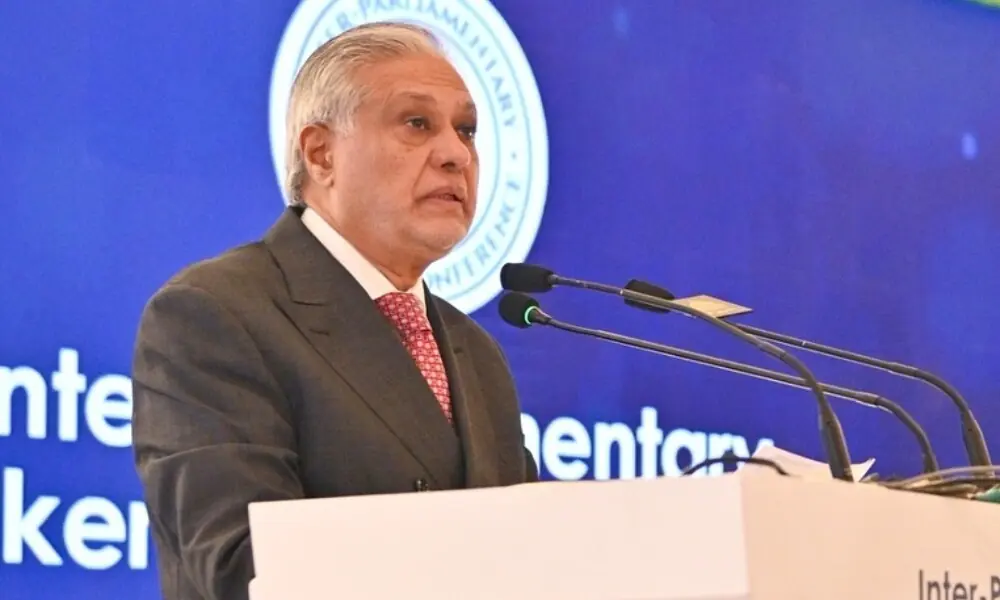
Deputy Prime Minister and Foreign Minister Ishaq Dar said Pakistan’s position on the Strait of Hormuz remained clear, stressing that no tolls, service fees or other charges should be imposed on vessels transiting the strategic waterway.
In an interview with Al Arabiya, DPM Dar confirmed that no fees would be imposed on ships passing through the Strait of Hormuz during the current 60-day period.
He noted that maritime traffic was continuing uninterrupted, with ships moving in both directions.
“The ships are moving both ways, with six vessels from one Gulf country passing in 24 hours,” he stated.
Highlighting Pakistan’s role in facilitating the US-Iran agreement, Dar said Islamabad remained engaged even when negotiations appeared close to collapse. He credited the collective efforts of Prime Minister Shehbaz Sharif, Chief of Defence Forces Field Marshal Asim Munir, and the country’s foreign and interior ministries for helping sustain the diplomatic process.
Dar also said that attempts were made to derail the agreement, alleging that Israeli strikes in Lebanon coincided with the signing of the accord and risked disrupting negotiations. He urged the international community to encourage restraint and support diplomatic efforts.
“There are spoilers who never wanted the US-Iran deal to happen. As it was signed, we saw Israeli bombing in Lebanon to provoke the parties and pause the process. Wisdom must prevail. The world must persuade Israel to stop,” he stressed.
The foreign minister further said Pakistan had benefited from the support of regional partners, including Saudi Arabia, Qatar, the UAE, Bahrain, Egypt and Jordan, as well as backing from China and the United States. He revealed that he had held around 150 diplomatic calls since February 28, describing dialogue as the only viable path to resolving the crisis.
About the mediatory role played by Pakistan between the United States and Iran, Dar said Pakistan played a key role in facilitating dialogue between Washington and Tehran, which helped bringing the two sides together for the first time during forty-seven years.
The deputy prime minister said Pakistan worked with regional and international partners to support mediation efforts and helped ensure the success of the talks.
He said nobody should doubt on the intentions of the signing parties. “Negotiators have been given 30 days to conclude work on certain issues, while the broader agreement is expected to be finalised within 60 days, which can be mutually extendable,” he maintained.























Comments