


‘It’s easy to be an independent central banker member when inflation is low...’
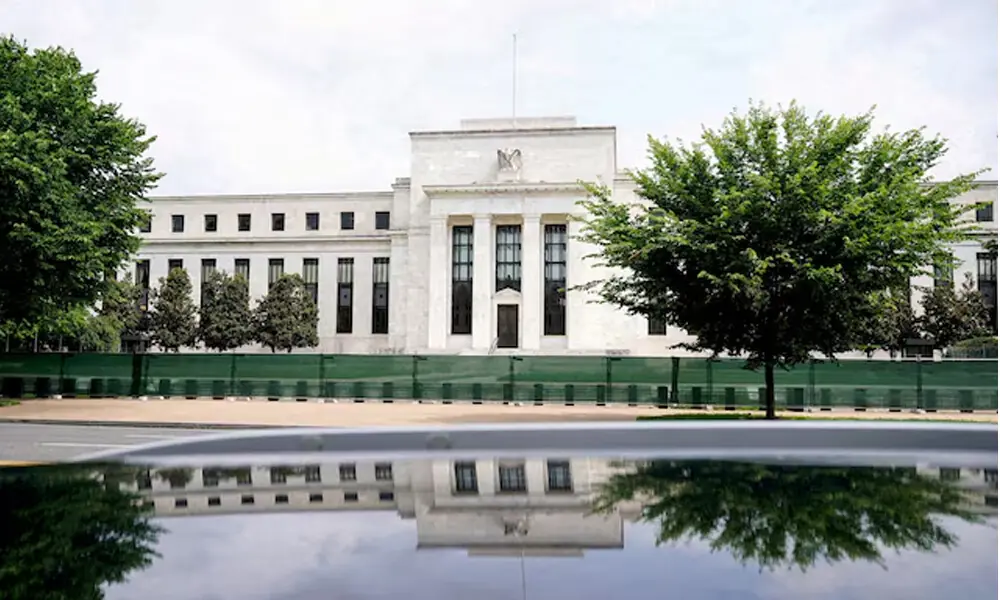

DUBROVNIK, (Croatia): Central bank independence is again coming under pressure as policymakers push through unpopular measures to curb surging prices, prompting political interference that could erode trust and deepen the crisis, current and former officials said.
Inflation has picked up worldwide since the war in Iran drove up oil prices, forcing central banks to raise interest rates or delay previously signalled cuts to stop a one-off shock becoming entrenched.
“It’s easy to be an independent central banker member when inflation is low … and it’s much more complicated when inflation is up and you have to do things that people do not like,” Helge Berger, deputy director at the IMF’s European Department, told a conference on Saturday.
“It’s hand to hand combat,” he said. “We need to get the current situation right.”
The most visible challenge to independence has been US President Donald Trump’s repeated calls for lower interest rates, but political pressure has been widespread and often more subtle in other places, policymakers said.
Some central banks are asked to tailor policy to support industrial goals, others face pressure to transfer profits to state budgets, while some are given conflicting mandates.
High government debt levels also act as a de facto constraint on independence, limiting room to tighten policy because higher interest rates - the usual cure for inflation - risk triggering a debt crisis. Once markets doubt that a central bank is acting independently to fight inflation, they begin to price in policy accommodation, making it even harder to rein in price rises.
“Independence is often taken for granted when it works, but difficult to rebuild once it has been damaged,” Bundesbank board member Burkhard Balz said. “Monetary policy needs protection from short-term political incentives if it is to deliver price stability.”
Some speakers argued, however, that central banks’ slow response to the 2021-22 inflation surge also dented their credibility.
Policymakers described the shock as transitory for months before grasping its scale and launching one of the fastest tightening cycles on record.
“Why did they come from behind? One of the reasons, I think, is our inclination and fixation to be what is called data dependent,” former Bank of Israel Governor Jacob Frenkel said.
“Data dependence is saying, until I see this happening, I’m not going to respond. By definition, when things are already there, you’re coming from behind.”

























Comments