


Deregulation of non-essential medicines leads to 34pc increase in pharma exports
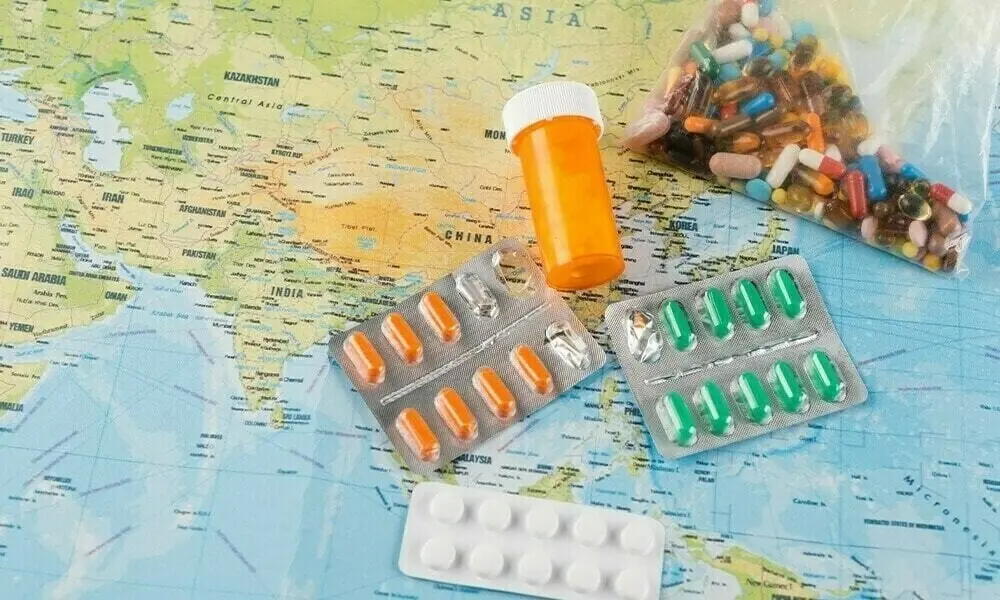
KARACHI: Deregulation of non-essential medicines in 2024 has led to a 34 percent increase in pharmaceutical exports, improved medicine availability, expansion of internationally certified manufacturing facilities and higher tax contributions, while any reversal of the policy could result in an industrial crisis and loss of investor confidence, pharmaceutical industry officials said.
According to industry estimates, pharmaceutical exports increased from around USD336 million before deregulation to nearly USD450 million in 2025, while manufacturers also expanded investment in WHO, PIC/S and EU GMP compliant facilities aimed at accessing regulated international markets.
Industry officials said deregulation also helped stabilize medicine supplies in the local market, improve quality standards and reduce the circulation of counterfeit medicines.
At the same time, pharmaceutical manufacturers warned policymakers against unconfirmed news of reversing the deregulation policy, saying such a move could wipe out recent gains, revive medicine shortages and damage Pakistan’s ambitions of becoming a major pharmaceutical export economy.
A senior pharmaceutical industry official said Pakistan’s pharma sector had suffered for years due to rigid price controls on both essential and non-essential medicines, which discouraged investment and forced several multinational companies to either leave Pakistan or significantly reduce operations.
“Deregulation gave manufacturers the long-desired breathing space to reinvest in quality systems, maintain international certifications and compete globally. If the policy is reversed, the industry could again face shortages, declining exports & Taxes, closure of manufacturing lines and surge in unemployment,” the official warned.
Industry representatives maintained that Pakistan’s pharmaceutical sector had long been treated differently from other industries such as cement, sugar, banking, automobiles and textiles, which are allowed to operate under market, based pricing systems despite fluctuations in operational costs, high inflation and currency depreciation.
The pharmaceutical sector also rejected the perception that medicines in Pakistan are expensive, saying DRAP’s regional reference pricing mechanism consistently shows that medicine prices in Pakistan remain among the lowest in the region.
Copyright Business Recorder, 2026





















Comments