


Iran says Hormuz reopening ‘not possible’ amid US naval blockade
- A complete ceasefire only has meaning if it is not violated through a naval blockade
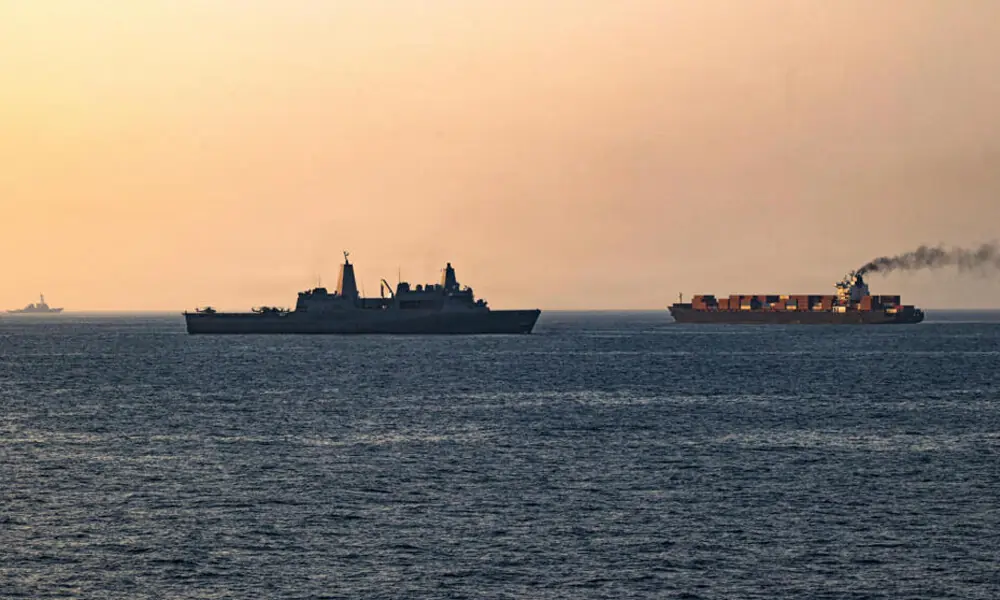
TEHRAN: Iran’s parliament speaker said on Wednesday that the Islamic republic would not reopen the Strait of Hormuz as long as the US naval blockade remained in place, calling it a “blatant violation of the ceasefire”.
Also read: Trump says blockade on Iran ‘in full force’ until deal is reached
“A complete ceasefire only has meaning if it is not violated through a naval blockade… reopening the Strait of Hormuz is not possible amid a blatant violation of the ceasefire,” speaker Mohammad Bagher Ghalibaf said on X.
His statement came as tensions remained high despite U.S. President Donald Trump extending the two-week ceasefire and signaling that peace talks with Iran could resume within the next 36 to 72 hours.
Trump said the ceasefire was extended following Pakistan’s request to allow more time for diplomacy and for Iran to come forward with a proposal, but insisted that the U.S. naval blockade would remain in force until a deal was signed.
Iran has rejected entering negotiations under what it described as military pressure.
Iranian Foreign Ministry spokesman Esmaeil Baghaei said diplomacy remains a tool to protect national interests and would only be pursued when conditions align with Iran’s interests.
While appreciating Pakistan’s efforts to help end the conflict, Baghaei said Tehran was taking all necessary measures to safeguard its national interests and security, adding that Iran’s recent actions were in self-defense against U.S. and Israeli military aggression.
He said the continued blockade of Iranian ports, seizure of commercial vessels and threats of further bombing had created major obstacles to meaningful negotiations.
Earlier, Iran’s semi-official Tasnim news agency reported that Tehran’s decision not to participate in the second round of peace talks with the United States in Islamabad was “definitive,” and Pakistani mediators had been informed.
Pakistan, which has been mediating between Washington and Tehran, has urged the United States to lift the blockade and release a seized Iranian ship and its crew to create space for diplomacy.
Prime Minister Shehbaz Sharif also thanked Trump for extending the ceasefire and expressed hope that both sides would continue to observe the truce and conclude a comprehensive peace agreement.
Meanwhile, Iran’s Islamic Revolution Guard Corps (IRGC) said it had seized two vessels attempting to pass through the Strait of Hormuz without authorization.
The IRGC Navy identified the ships as MSC Francesca and Epaminondes, saying they had jeopardized maritime security by lacking necessary permits and tampering with navigation systems.
The vessels were seized and directed toward the Iranian coast, further raising concerns over maritime security in the strategic waterway through which a major share of global oil supplies passes.
The Strait of Hormuz remains central to the standoff, with Tehran using its geographic position as leverage while Washington maintains pressure through its naval presence in the Gulf.






















Comments
Comments are closed for this article.