



SHANGHAI: Japanese rubber futures fell on Friday and logged a second straight weekly decline, as concerns about global supply eased following rains in China and strong exports from the Ivory Coast.
The Osaka Exchange (OSE) rubber contract for September delivery was down 3.1 yen, or 1.57percent, at 387.5 yen (USD2.43) per kg. It lost 0.9percent this week.
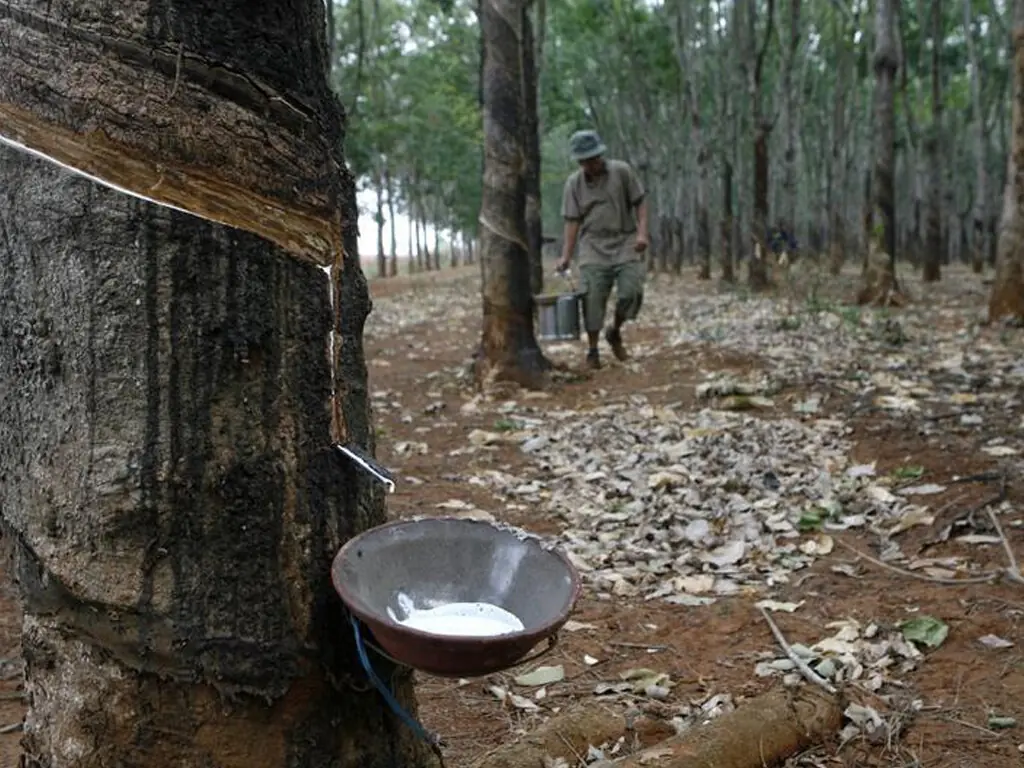
The rubber contract on the Shanghai Futures Exchange (SHFE) for September delivery fell 200 yuan, or 1.19percent, to 16,630 yuan (USD2,436.67) per metric ton. The most-active May butadiene rubber contract on the SHFE fell 245 yuan, or 1.51percent, to 15,950 yuan per ton. Rainfall in China’s rubber-producing areas has alleviated worries of drought affecting tapping, Chinese broker Huatai Futures said in a report.
The Ivory Coast exported 1.1percent more rubber in the first quarter of 2026 compared with a year earlier, according to data from the Qingdao International Rubber Exchange Market.
The country is set to overtake Indonesia as the world’s second-largest rubber producer in 2026, according to industry estimates. Rubber crops usually undergo a season of low production from February to April, before a peak harvesting period that lasts until September. Japan’s second-largest automaker Honda Motor will shut two internal combustion engine car plants in China and slash annual production capacity in the country to 720,000 vehicles, Japanese magazine Toyo Keizai reported, leading to concerns over Chinese rubber demand.
Oil prices fell on Friday on optimism the Middle East conflict could be nearing an end after a 10-day ceasefire between Lebanon and Israel took effect and President Donald Trump said the US and Iran may meet for talks on the weekend.
Natural rubber often takes direction from oil prices as it competes for market share with synthetic rubber, which is made from crude oil. The front-month rubber contract on Singapore Exchange’s SICOM platform for May delivery last traded at 200.1 US cents per kg, down 1.6percent, as of 0700 GMT.




















Comments