


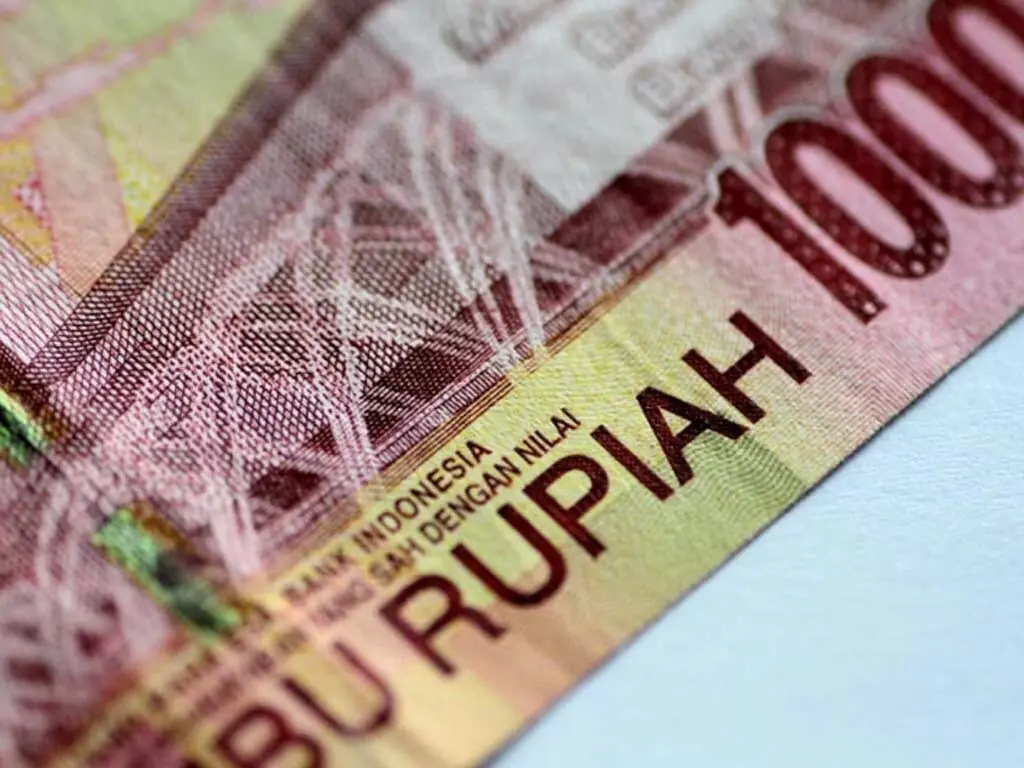

INDONESIA: The Indonesian rupiah hit a record low on Tuesday before the central bank intervened to curb further losses as Middle East–fuelled energy shocks and local fiscal and governance worries continued to fuel foreign outflows.
Most stock markets across emerging Asia were on the back foot as Iran rejected a temporary ceasefire and pushed back against pressure to reopen the Strait of Hormuz ahead of US President Donald Trump’s Tuesday night deadline to reach a deal.
Equity benchmark indexes in Singapore, Indonesia, Malaysia, and the Philippines edged lower, dragging the MSCI ASEAN index down 0.3percent to a one-week low.
In East Asia, Taiwan’s AI-heavy benchmark advanced 1.8percent, led by a 2.2percent rise in TSMC, while South Korea’s KOSPI index edged 0.2percent higher. That helped the MSCI EM Asia index rise 0.6percent to a near two-week high. Shares of Samsung Electronics jumped as much as 4.9percent after reporting an eight-fold increase in quarterly profit, boosting the equity market in Seoul.
In Southeast Asia, the Indonesian rupiah slumped to a new lifetime low of 17,090 to the dollar before Bank Indonesia stepped in. Indonesia, like most emerging Asian economies, is a net oil importer, exposing it to the sharp rise in oil prices due to the war in the Middle East, while also contending with concerns over fiscal discipline, central bank independence, and stock market regulation.
“External factors remain the dominant driver, and weaker risk sentiment alongside elevated oil prices amid risks of a more protracted Iran conflict are likely to continue weighing on the IDR, alongside other AxJs,” Christopher Wong, a currency strategist at OCBC, said, referring to regional currencies.
Currencies elsewhere in Asia also remained under pressure: the Malaysian ringgit and the Philippine peso dipped around 0.2percent each, while the Singapore dollar inched lower. “Softer Asia-ex Japan currencies are a reflection of caution after Iran rejected the ceasefire deal, while Trump’s threat is not fully priced,” Wong said.
“What markets probably need is clarity on the timeline of reopening the Strait of Hormuz and if Iran secures guarantees. Lack of clarity may still see AxJs trade on the back foot in the interim.” In Thailand, shares gained 0.5percent following a surprise drop in March’s consumer prices even as the ministry warned of a potentially significant increase in inflation in the second quarter.
However, in the Philippines, faster-than-expected annual inflation for March, contributed to a 0.2percent drop in Manila’s stock market.




















Comments