


Not an oil shock, but a stress test, especially for Pakistan
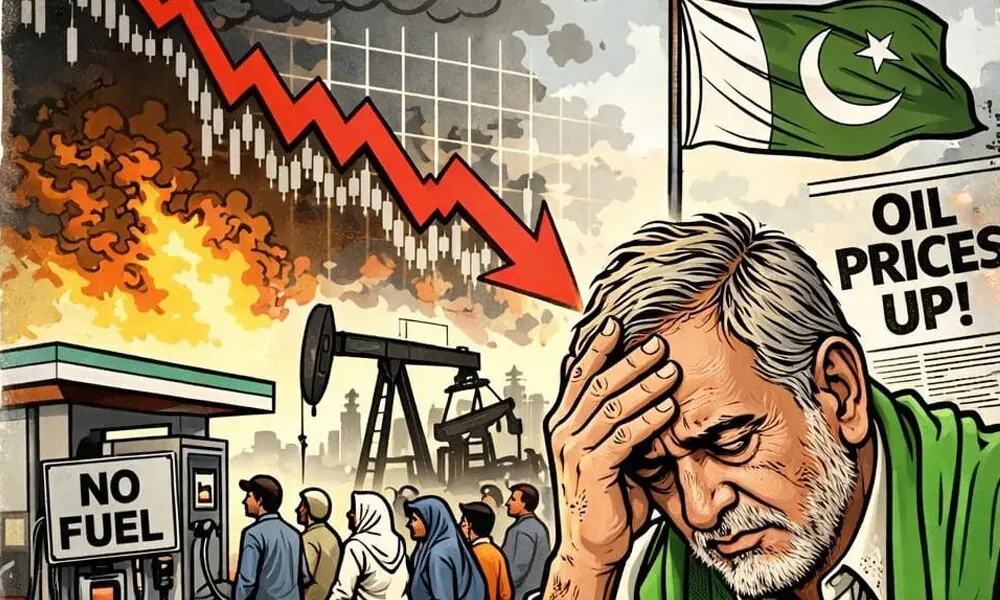

Pakistan’s vulnerability to rising energy prices is not external—it is the result of structural choices in how it produces, exports, and consumes energy. The surge in global oil prices following the Iran conflict is being treated as an external shock. For Pakistan, it is something else entirely—a stress test. Not of global markets, but of the choices we have made at home.
For oil-importing economies, the consequences are immediate: higher import bills, rising inflation, and pressure on currencies. But for Pakistan, the real story lies not in the shock itself—but in how exposed we are to it. We can blame the increase in oil prices on the ongoing war but we cannot blame our dependence on oil on anyone but ourselves.
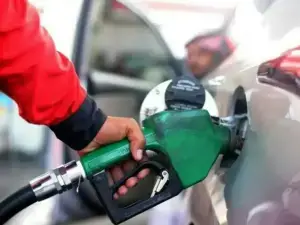
Pakistan imports roughly 80–85% of its oil requirements, leaving it highly exposed to global price swings (Pakistan Energy Yearbook /Ministry of Energy). Every $10 increase in oil prices adds an estimated $2–2.5 billion to the annual import bill, directly worsening the current account and putting pressure on the rupee (State Bank of Pakistan estimates).
This vulnerability is not new. It is the result of years of policy choices that we have made. Energy has been underpriced, gas misallocated, and diversification delayed despite clear alternatives. Pakistan’s energy mix remains heavily reliant on imported fuels, even as solar adoption rises and hydropower projects remain slow to materialise (NEPRA State of Industry Report 2024).
This time, however, the shock is visible. Energy costs are being passed through rather than being buried in subsidies and circular debt, consistent with cost-recovery reforms under Pakistan’s programme with the International Monetary Fund. That does not solve the problem—but it makes it impossible to ignore.
The more profound issue, however is, that rising energy costs do not just affect what Pakistan imports—they directly influence and undermine what Pakistan exports . As oil prices rise, so do energy and transport costs. This feeds into production, making Pakistani exports more expensive at precisely the moment when global demand is softening. That is where Pakistan’s second vulnerability becomes clear.
Textiles account for roughly 55–60% of exports, according to data from the Pakistan Bureau of Statistics and industry reports, yet much of this output remains concentrated in relatively low-value segments—yarn, grey cloth, and basic garments. These are products with limited pricing power, where buyers switch suppliers based on marginal cost differences.
Pakistan’s problem is not that oil is expensive. It is that too much of what we sell to the world is cheap. Contrast this with economies that have moved up the value chain. Italy exports high-end textiles and fashion apparel, where design and brand sustain margins. Germany and Japan export precision manufacturing, where energy is a small share of total value. India’s growing IT exports—exceeding $150 billion annually (NASSCOM)—are even further removed, driven by human capital rather than fuel inputs.
Countries that export ideas, brands, and technology are insulated from oil shocks. Countries that export commodities are amplified by them. This is precisely why the current crisis should not be viewed narrowly as an oil story. It is an economic structure story. Oil exposes it—but it does not create it.
There is, however, an opportunity in this moment. The fact that energy costs are now more visible creates the conditions for a more rational energy economy. It exposes distortions that have long encouraged overconsumption and inefficiency.
Exposure, however, must now lead to action. Energy must be allocated to productivity, not politics. Scarce gas should prioritise export-oriented industry rather than low-value consumption. Renewable deployment—particularly solar and wind—must accelerate, not as aspiration but as a compelling necessity.
Most importantly, export strategy must evolve. As long as Pakistan competes primarily on price, every global shock will translate into domestic instability. Moving up the value chain is no longer optional. It is macroeconomic necessity.
Pakistan has also been quick to position itself diplomatically in efforts to de-escalate the conflict. That is welcome. But crises abroad also remind us of unfinished business at home. Influence is strongest when it is backed by resilience.
The lesson from this crisis is therefore broader than oil. Pakistan does not just need energy security. It needs economic resilience. A country does not become secure when it finally acknowledges the true cost of energy. It becomes secure when it builds an economy that can withstand it.
Copyright Business Recorder, 2026








Comments