


Japan’s Nikkei sinks on stagflation fears; benchmark JGB yields hit 27-year high
- The Nikkei was down 4.6% at 50,936.13, as of the midday break
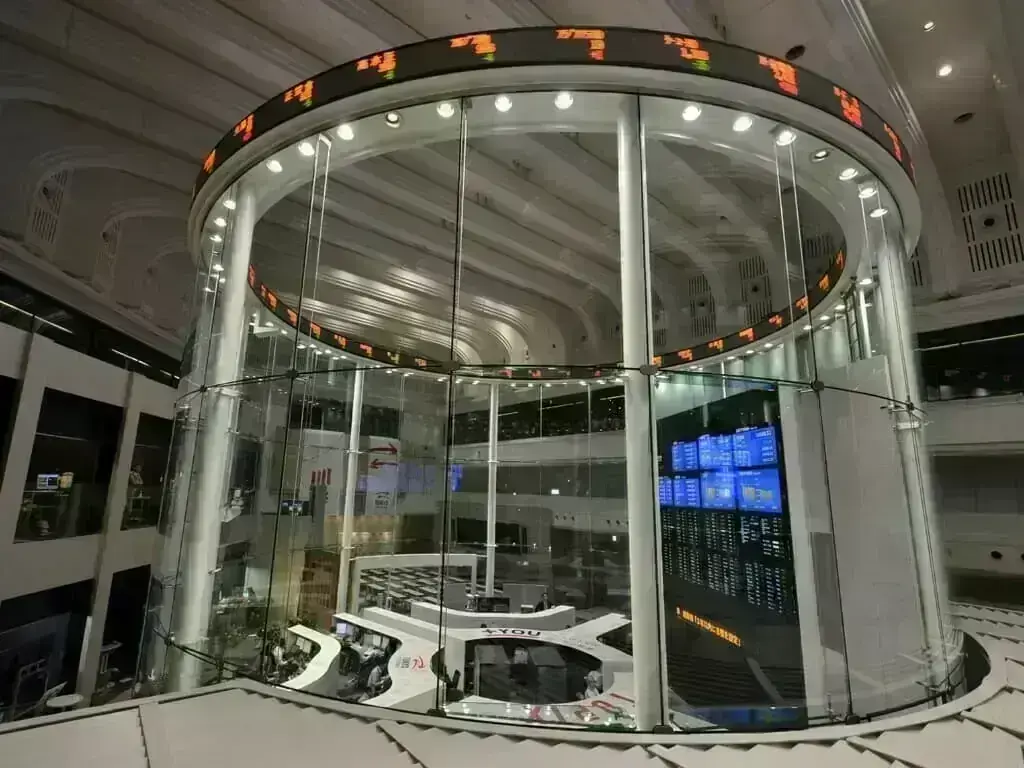
TOKYO: Japan’s Nikkei share average fell more than 4% on Monday, wiping out its gains for the year in a broad selloff, while benchmark bond yields briefly touched a 27-year high before retreating, as the widening Middle East war fuelled stagflation concerns.
The Nikkei was down 4.6% at 50,936.13, as of the midday break, after falling as much as 5.3% earlier in the session, and was headed for its biggest monthly drop since the 2008 global financial crisis with a 13.4% plunge.
The broader Topix slid 4.2% to 3,497.34.
The benchmark 10-year JGB yield rose to 2.390%, a level not seen since February 1999.
It later reversed its course and fell 1 basis point to 2.360%.
Yields move inversely to bond prices.
“The market is probably now wary not only of inflation and an economic slowdown (from the Middle East situation), but even of a recession.
In other words, negative growth — not just a simple slowdown,“ said Shingo Ide, chief equity strategist at NLI Research Institute.
On Monday, shorter-term bonds rose after a heavy selloff last week, as markets grew concerned about the war’s downward pressure on the economy.
The two-year yield, the one most sensitive to Bank of Japan policy rates, decreased 1.5 bps to 1.36%.
The five-year yield fell 3 bps to 1.785%. The 30-year yield added 5 bps to 3.750%.
“The market focus has shifted to how the world could avoid the energy crisis after the Middle East war, not the fate of the war,” said Katsutoshi Inadome, a senior strategist at Sumitomo Mitsui Trust Asset Management.
In a summary of opinions from the BOJ’s most recent policy meeting, one member said surging oil prices and a weak yen could push up inflation sharply.
Over the weekend, Yemen’s Iran-aligned Houthis launched their first attacks on Israel since the start of the US-Israeli war with Iran, pushing oil prices higher.
Pakistan said it was preparing to host “meaningful talks” to end the conflict with Iran in coming days, even as Tehran said it was ready to respond if the US launched a ground attack.
There were four advancers on the Nikkei index against 220 decliners.
Technology investment conglomerate SoftBank Group led the Nikkei’s decline, losing 9.2%.
Chip-testing equipment maker Advantest fell 7.3%, dragging down the key gauge the most.




















Comments
Comments are closed for this article.