


IEA head says more oil stocks can be released if necessary
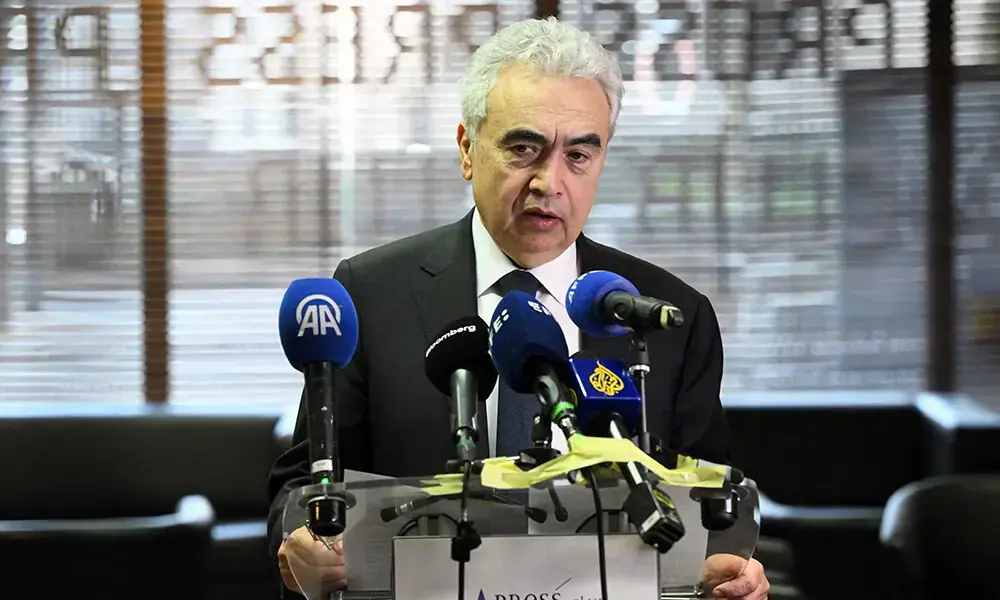

PARIS: International Energy Agency chief Fatih Birol said Monday more strategic oil stocks could be released if necessary to limit the fallout of from the near complete blockage of supplies through the Strait of Hormuz owing to the war on Iran.
“In terms of government stocks and industry stocks held under government obligation, if you combine them, there will be still over 1.4 billion barrels remaining, which means we can do more later as and if needed,” Birol said in a video statement.
He added that further releases of stocks could only constitute a “buffer” against the current choking off of supplies which has forced Gulf producers to slash production.
“The single most important thing for a return to stable flows of oil and gas is the resumption of transit through the Strait of Hormuz” Birol said.
Further releases from strategic reserves are “not a lasting solution” as economies and consumers reel from the effects of curtailed oil supplies, he added.
READ MORE: Emergency stockpile oil coming soon to Iran-wracked markets, IEA says
In its latest monthly report released last week the IEA said the war which the United States and Israel launched on February 28 “is creating the largest supply disruption in the history of the global oil market.”
In its report, the IEA said crude production was currently down by at least 8.0 million barrels per day.
The war has seen Iran tighten its chokehold on the strait, through which a fifth of global crude passes, effectively all but shutting it down.
IEA says current flows through the Strait are moving at less than 10 percent of pre-crisis levels, which in 2025 were around 15 million barrels per day – with “no signs of a de-escalation in hostilities or a clear timeline for a recovery in flows through the Strait.”
Oil prices, around $60 a barrel prior to the conflict, reached close to double that level but have since fallen back to nearer $100 after the IEA on March 11 agreed its biggest-ever release, of 400 million barrels.
That release had had a “calming effect,” Birol said while citing the “significant challenges” to markets that remained.
He cited Colombia, India, Singapore, Thailand and Vietnam as countries ready to pledge support for further releases.
Crude prices eased Tuesday after a Pakistani oil tanker became the first non-Iranian tanker to transit the Strait of Hormuz with its automatic transponder system activated, according to monitor Marine Traffic.
The price of main US contract West Texas Intermediate promptly plunged more than five percent to $93.37 while international benchmark Brent North Sea crude shed 2.77 percent to $100.28.




















Comments
Comments are closed for this article.