


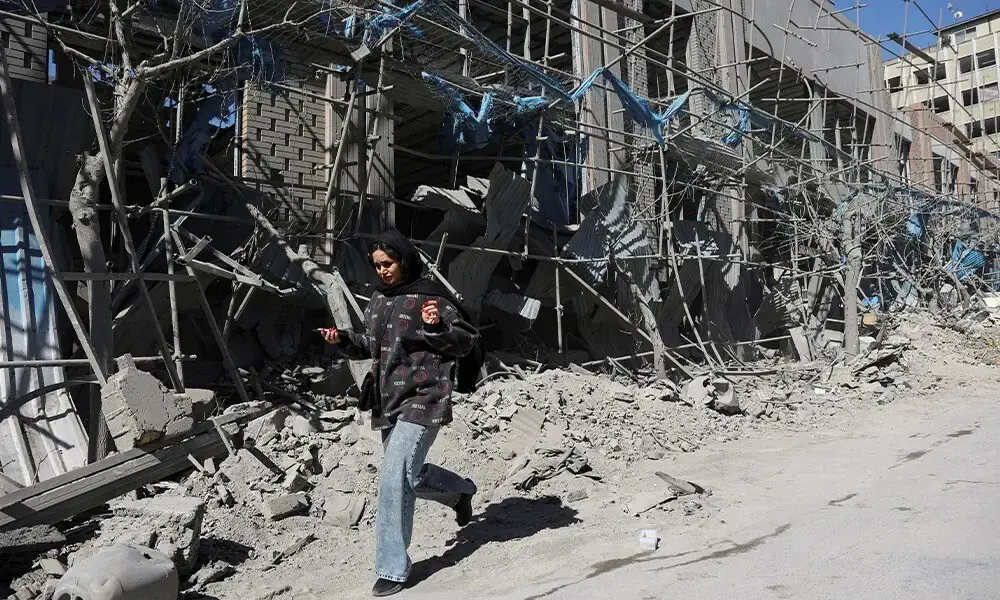
This is apropos a letter to the editor titled ‘The uncertain endgame of the Iran war’ carried by the newspaper on Saturday and yesterday.
The Islamic Revolutionary Guard Corps continues to function as the backbone of Iran’s defense system. With hundreds of thousands of personnel and extensive logistical networks, it represents both a military force and a political institution deeply integrated into the country’s governance. Even if several of its facilities have been damaged, the organization itself remains intact and committed to defending the state.
Because of this resilience, the center of gravity in the war is gradually shifting away from purely military objectives toward economic pressure—particularly control over global energy routes.
The Strait of Hormuz has become the most critical strategic flashpoint. This narrow waterway connects the Persian Gulf to global markets and carries a substantial share of the world’s oil supply. Under normal circumstances, millions of barrels of crude oil move through the strait every day, fueling industries, transportation systems, and national economies across multiple continents. Disruption in this corridor sends immediate shockwaves through global markets.
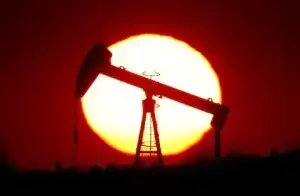
Oil is the lifeblood of modern economies. Transportation networks, manufacturing industries, agricultural systems, and global logistics chains all depend on stable energy supplies. When oil flow is threatened, the consequences extend far beyond the battlefield.
Copyright Business Recorder, 2026
The writer is a former Press Secretary to the President, An ex-Press Minister at Embassy of Pakistan to France, a former MD, SRBC Macomb, Detroit, Michigan




Comments
Comments are closed for this article.