


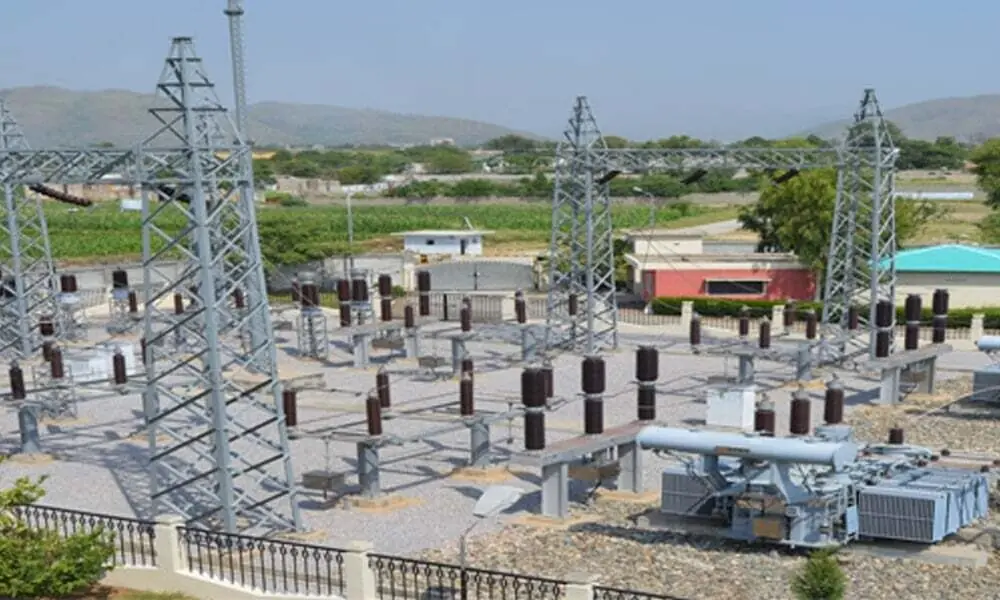
ISLAMABAD: While appreciating and acknowledging the suggestions made by the Khyber Pakhtunkhwa government regarding the formulation of Pakistan’s Integrated Energy Plan (IEP), the Power Division has stated that all energy projects, including hydropower and associated transmission projects, will be assessed through analytical modelling.
In a letter to the Power Division, the Khyber Pakhtunkhwa government sought enhanced provincial participation in the under-preparation IEP, with priority given to hydropower development, strengthening of transmission infrastructure in the province, transparent revenue-sharing mechanisms, and support for renewable energy and electric vehicle (EV) infrastructure in line with the spirit of the 18th Constitutional Amendment.
According to the Power Division, provincial governments, including Khyber Pakhtunkhwa, are already represented in the governance structure of the IEP through the IEP Steering Committee and the IEP Sub-Working Groups (Policy, Modelling, and Data).
READ MORE: KP govt seeks provincial role in Integrated Energy Plan
These platforms enable provinces to contribute to analytical work and provide input on sectoral planning, resource assessment, and policy considerations, ensuring that provincial perspectives are reflected in the IEP development process. The potential of forest-based carbon credits as a climate finance mechanism has also been acknowledged. Such initiatives can contribute to carbon sequestration and support Pakistan’s climate commitments.
Related aspects, including carbon markets and carbon credit mechanisms, are being considered within the IEP Climate Finance Sub-Working Group in coordination with relevant federal and provincial stakeholders.
Alignment with the Sustainable Development Goals (SDGs) and Pakistan’s Nationally Determined Contributions (NDCs) is also reflected within the IEP framework. Climate, disaster, and other security resilience considerations, including those relevant to Khyber Pakhtunkhwa, are incorporated within the objective of strengthening system-wide energy resilience outlined in the IEP High-Level Design. This includes climate-resilient infrastructure, low-carbon energy development, and resilient energy system planning.
The proposed IEP process also emphasises strengthening data systems, analytical capacity, and institutional coordination. In this context, the Energy Information System (EIS) will provide provinces with access to transparent and validated energy-related data.
“All energy projects, including hydropower and associated transmission infrastructure, will be assessed through analytical modelling and scenario analysis under the IEP. Project prioritisation will be guided by the objectives and strategic priorities of the IEP to support evidence-based and system-level planning,” the Power Division said.
Khyber Pakhtunkhwa has also been informed that the proposed governance framework of the IEP provides institutional platforms, including the Cabinet Committee on Energy (CCoE) and the Council of Common Interests (CCI), for coordination and resolution of tariff, royalty, and planning-related matters between the federation and the provinces, where required.
Effective coordination between the federal and provincial governments is critical for the successful implementation and long-term sustainability of the Integrated Energy Plan (IEP).
In this context, the envisaged coordination and communication mechanism with provincial governments, including Khyber Pakhtunkhwa, will continue throughout the development of the IEP to support their participation in identifying priority areas and strategic directions. “The IEP aims to provide an analytical framework to align national energy priorities with provincial development programmes, including initiatives under provincial ADPs, while supporting long-term energy security and sustainable growth,” the Power Division said.
Copyright Business Recorder, 2026

















Comments
Comments are closed for this article.