


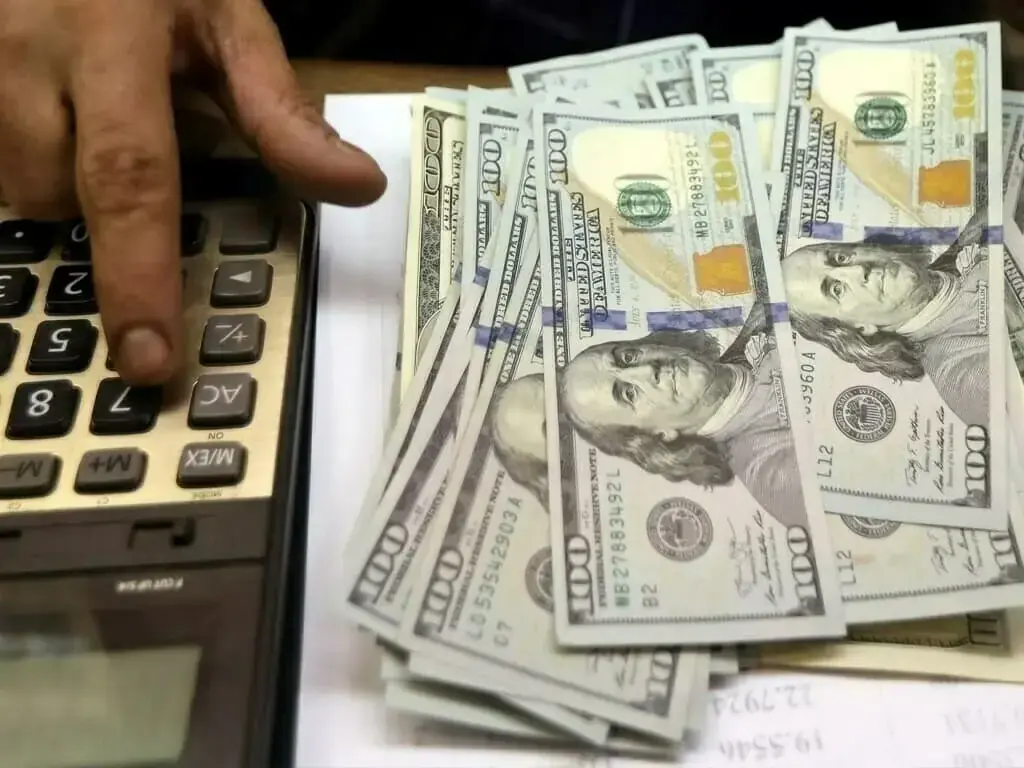
EDITORIAL: Foreign assistance as per data released by the Economic Affairs Division increased to USD 4.507 billion July-December 2025 against USD 3.603 billion in the same period the year before — about 25 percent increase.
The rise indicates that the International Monetary Fund (IMF) in particular and other multilaterals in general retain their comfort level with the policies of the government agreed under the ongoing USD 7 billion Extended Fund Facility programme, which would, in turn, also guarantee the extension of the over USD 12 billion rollovers by the three friendly countries as and when their one-year term expires. This comfort level also triggered Fitch international rating agency to affirm our B negative rating while assigning a Recovery Rating of RR4 instead of the Under Criteria Observation we were on previously.
In the event that Pakistan decides to challenge some of the extremely harsh upfront conditions with the IMF — which are anti-growth, given their contractionary nature — and is unsuccessful in convincing the Fund to phase some of them out foreign inflows from multilaterals as well as bilaterals would not be forthcoming.
Foreign exchange reserves have strengthened considerably with USD 16,071.8 million as of 9 January 2026 compared to USD 11,725 million on 10 January 2025; however, this cannot be sourced to an improvement in the balance of trade as it registered negative USD 15.818 billion in December 2025 against negative USD 11.583 billion in December 2024. This decline is indicative of the resurfacing of the boom-bust cycle that has plagued the country’s economy for decades and which has prompted administration after administration to seek IMF lending with all its associated politically challenging conditions.
However, remittance inflows have consistently increased from July to December 2025 compared to the year before however the increase was not sufficient to meet the widening trade deficit.
In other words, the government’s reliance on foreign borrowing to meet its current expenditure (increased by around 18 percent this fiscal year) and not development outlay, which has already been severely curtailed from what was budgeted in the first half of the year is likely to continue. This will be in spite of the fact that the budget formulators envisaged a reduction in current expenditure through lowering the mark-up on domestic debt as a consequence of the halving of the discount rate — a decline that was achieved more because of retiring debt procured at the higher discount rate and less on decreasing the issuance of Pakistan Investment Bonds.
As per the State Bank of Pakistan website, in December 2025 PIBs of 114 billion rupees were issued; however, the footnote stated that these were based on nominal values for long term zero coupon bonds since June 2025.
One can conclude from this data that the reliance on foreign assistance has not abated, and on the contrary has exacerbated, and reliance on domestic borrowing also rising as in previous years, a highly inflationary policy — elements attributable to the failure of the government to curtail its current expenditure or to fuel growth through loosening the contractionary monetary and fiscal policies which would raise government revenue. It also indicates the continued failure of the power sector to reduce its inefficiencies, reflected in Nepra’s recent report, and the failure of the Federal Board of Revenue to either reform the tax structure, by shifting the over 75 percent reliance on indirect taxes whose incidence on the poor is greater than on the rich (the enforcement measures with respect to sales tax collection, an indirect tax, on sugar millers simply raised the price of the commodity) to direct taxes.
Copyright Business Recorder, 2026




















Comments