


Heart diseases treatment: Punjab govt to introduce intravascular surgery techniques
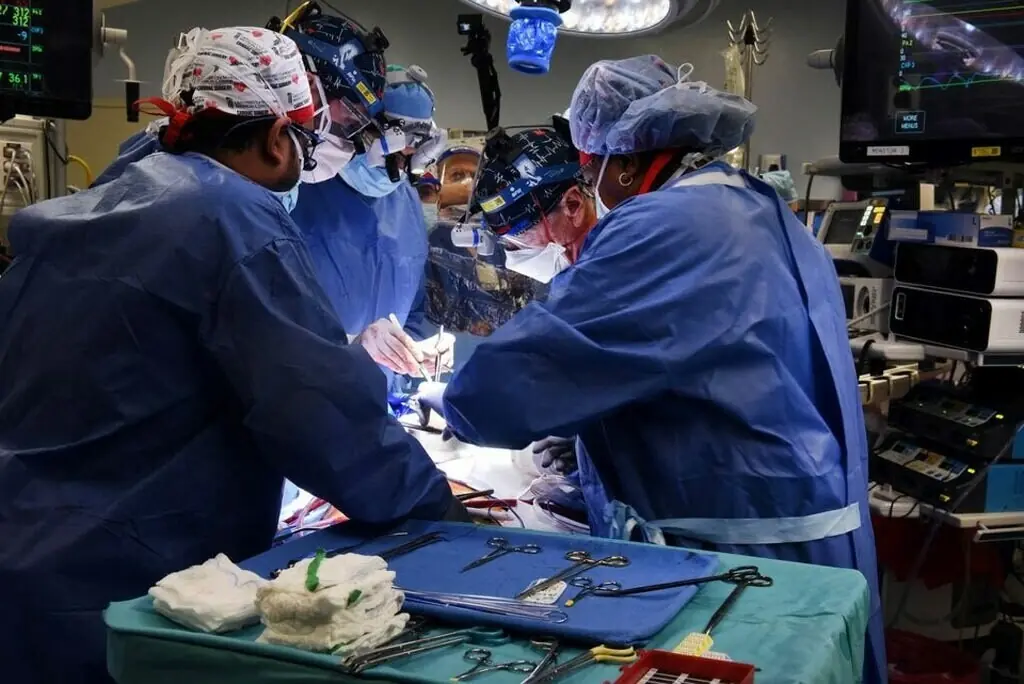

LAHORE: The Punjab government has decided to introduce state-of-the-art intravascular surgery techniques for the treatment of heart diseases, aiming to modernise cardiac care across the province.
The decision was taken during a meeting between Chief Minister Punjab Maryam Nawaz Sharif and a delegation led by Dr Naeem Tahir Khaili, Chairman of the Board of Directors of Oklahoma Heart Hospital.
The delegation briefed the chief minister on the latest developments in intravascular cardiac surgery and training programmes for medical professionals. It was informed during the briefing that intravascular surgery is a safe and advanced alternative to conventional open-heart surgery. The procedure involves minimally invasive techniques, including angioplasty, stent placement and ablation, carried out through a small incision in a blood vessel.
The meeting agreed in-principle to provide specialised training to doctors from Children’s Hospital, Nishtar Hospital and Jinnah Hospital. American specialists will conduct training sessions to build local capacity in the use of advanced intravascular techniques.
The Chief Minister directed the health authorities to take immediate steps to introduce modern cardiac treatment methods at the Jinnah Institute of Cardiology and Nawaz Sharif Medical City. She also ordered the procurement of modern medical equipment required for intravascular surgery.
The delegation also briefed the chief minister on the health and educational services being provided by the Rukhsana Foundation. Chief Minister Punjab appreciated the foundation’s contributions, particularly in the fields of healthcare and education.
Emphasising her government’s commitment to improving public health services, the CM said the introduction of advanced cardiac procedures and international-standard training for doctors would significantly enhance the quality of treatment available to heart patients in Punjab.
Copyright Business Recorder, 2026

























Comments
Comments are closed for this article.