


Russian manufacturing sector faces sharper output decline in November, PMI shows
- The index remained below the 50.0 threshold, indicating a contraction in the sector for the sixth consecutive month
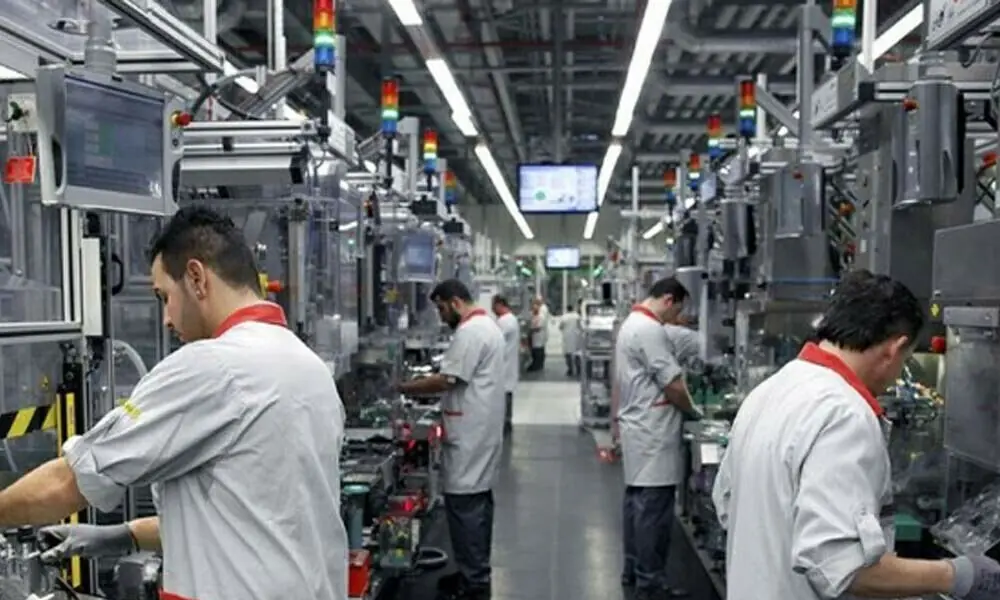
MOSCOW: Russia’s manufacturing sector witnessed a steeper decline in output in November, as supply shortages and reduced new orders continued to weigh heavily on production, a survey showed on Monday.
The S&P Global Russia Manufacturing Purchasing Managers’ Index (PMI) rose slightly to 48.3 in November from 48.0 in October.
However, the index remained below the 50.0 threshold, indicating a contraction in the sector for the sixth consecutive month.
Output levels fell at the fastest rate since April 2022, with firms attributing the decline to lower new orders and supply chain delays.
New orders continued to decrease, although the pace of contraction slowed and was the weakest in the current six-month sequence of decline.
Despite the downturn in new orders, employment in the sector returned to growth, marking the fastest rate of job creation since July 2024.
This was driven by the filling of existing vacancies, as firms worked through their backlogs of orders, which fell for the tenth consecutive month.
Input cost inflation accelerated in November, with operating expenses rising at the fastest pace since May.
This led to a solid rise in output charges as manufacturers sought to pass on higher costs to customers.
Business confidence improved slightly from October’s recent low, bolstered by planned investments in new products and technology, as well as hopes for stronger demand conditions.
However, optimism remained the second-lowest in over three years.



















Comments
Comments are closed for this article.