


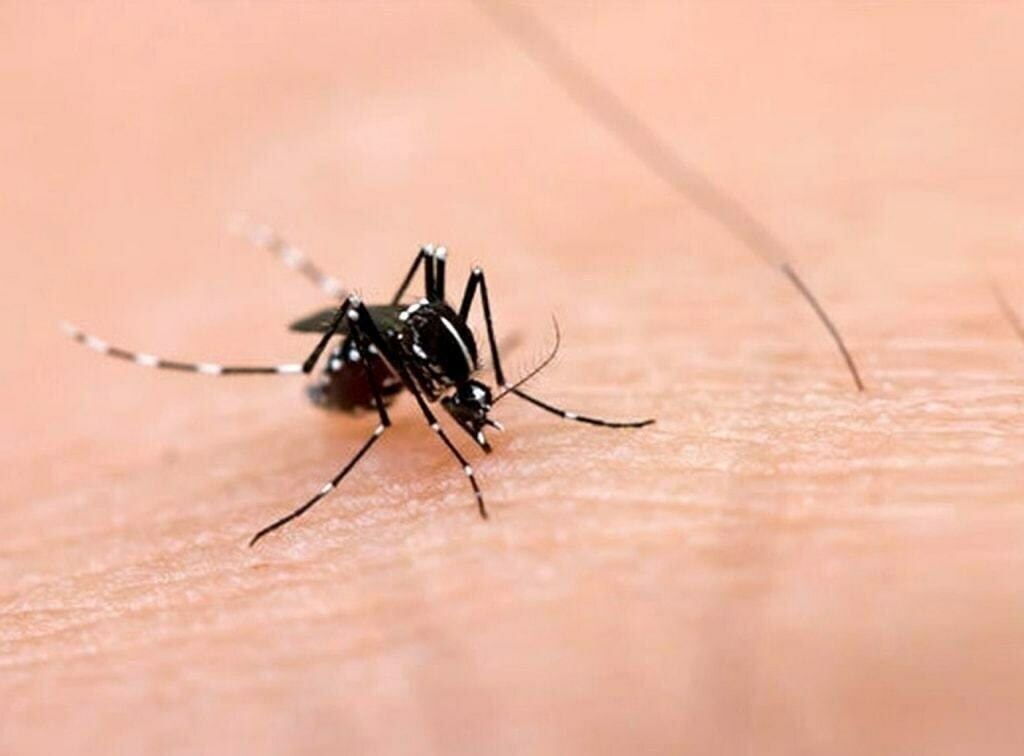
EDITORIAL: The alarming rise in dengue cases across Karachi and Hyderabad has exposed glaring weaknesses in Sindh’s public health management system. What is most concerning is not just the spread of the disease itself, but the lack of clarity and coordination in the government’s response.
The sharp discrepancy between the official figures released by the Sindh Health Department and those reported by independent media sources raises serious questions about data transparency and administrative efficiency. According to the health department, Sindh has recorded 1,083 confirmed dengue cases so far this year.
Yet, press reports claim that Karachi alone may have over 4,000 cases. Such a vast difference cannot be dismissed as a mere reporting lag; it reflects systemic shortcomings in record-keeping and monitoring.
Provincial Health Minister Dr Azra Pechuho has explained that her department maintains records of patients admitted to government hospitals. That means countless others are ignored who seek treatment in private hospitals, local clinics, or even at home. Excluding these cases from the official tally distorts the true picture of the outbreak.
It is imperative therefore that the government expands its monitoring network to include private healthcare providers and community-level reporting. A unified and transparent database is essential for understanding the scope of the problem and directing resources where they are most needed.
The minister has also claimed that anti-dengue measures—such as fumigation, spraying, and drainage improvement—have been intensified across districts. While such efforts are welcome, they often arrive too late to be effective. Dengue control should not be limited to short-term fumigation drives once the crisis has already taken hold. It requires effective environmental management, timely surveillance, and community participation.
The focus must shift from reactive measures to proactive prevention, especially before and during the monsoon season, when mosquito breeding is at its peak. Moreover, the government needs to strengthen collaboration with local governments, NGOs, and media organisations to improve public awareness. Educating citizens about preventive practices, early symptoms, and treatment options can go a long way in reducing infections and fatalities.
The current situation, marked by conflicting statistics and vague official statements, can easily undermine public trust and create confusion. Transparency and regular communication are essential to encouraging public participation in preventive efforts.
It is about time while controlling dengue the Sindh government prioritised data accuracy, accountability, and environmental management over sporadic quick fixes. The people in all the provinces (Khyber Pakhtunkhwa reported 74 new dengue cases on Sunday, taking the total tally this year to 3,939) deserve a health system that anticipates outbreaks rather than merely reacts to them.
Only through collective efforts, openness, and consistent policy action can this recurring menace be brought under control and future epidemics averted.
Copyright Business Recorder, 2025




















Comments
Comments are closed for this article.