


Boost your business, protect your workforce: Tabba Heart Institute’s World Heart Day 2025 message to corporate Pakistan
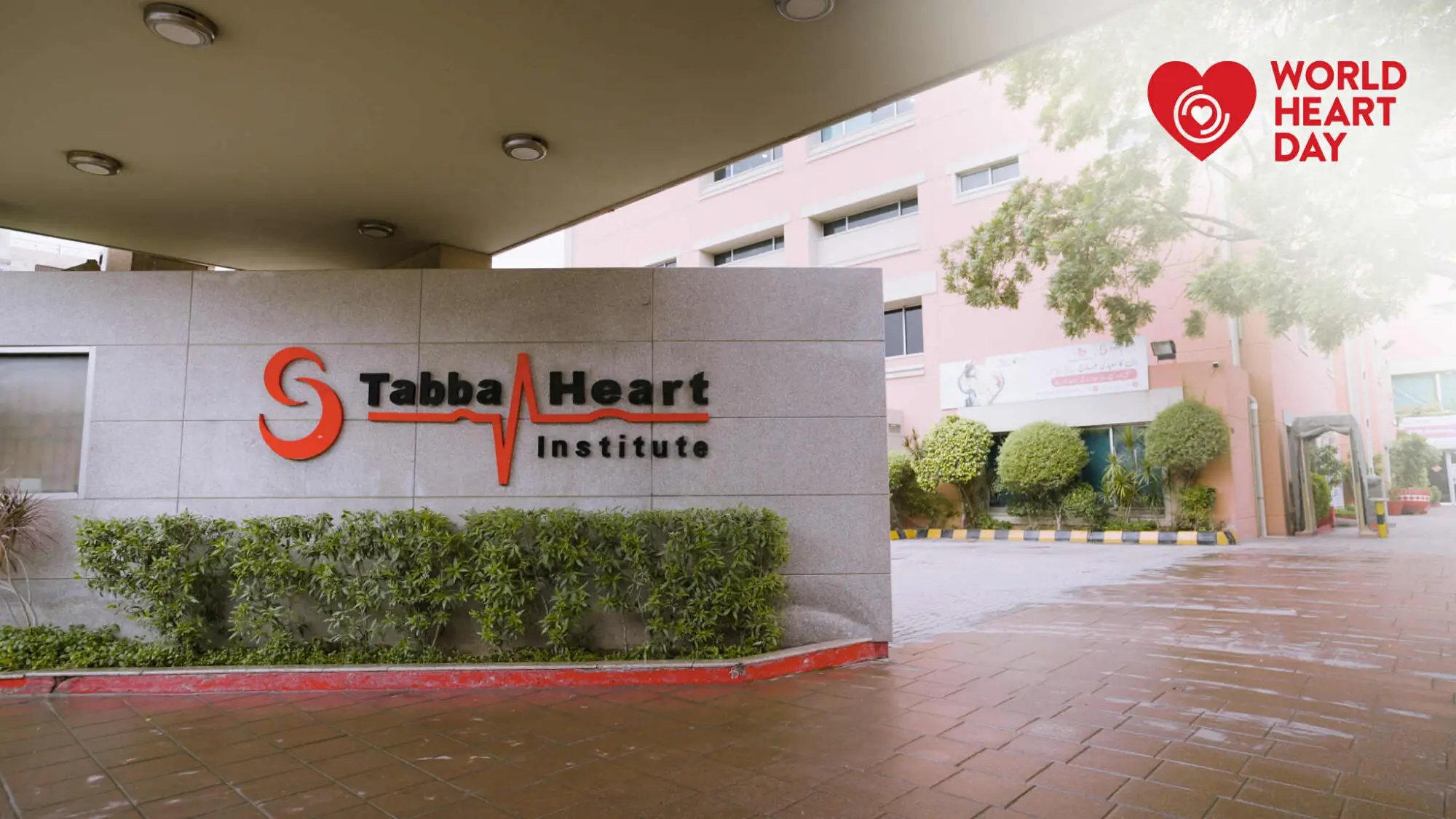

Cardiovascular disease is not just a personal tragedy, it’s a national economic burden. Every heart attack that strikes a young individual in their prime years disrupts families, workplaces, and entire industries. In Pakistan, where the median age of workers is under 25, the rising incidence of heart disease among young, working-age adults threatens both human and economic capital. The business cost of heart disease is real — lost productivity, rising healthcare expenses, and a weakened economy.
That is why the World Heart Federation’s 2025 theme — “Don’t Miss a Beat” — carries an urgent message for Pakistan’s businesses: protecting employee heart health is protecting the organisation itself. Tabba Heart Institute (THI), with its call “Dil Hai Toh Zindagi Hai”, is leading that charge by focusing on cardiovascular health in workplaces.
The cost of ignoring employee heart health
Studies from international and regional health agencies confirm that cardiovascular disease is the leading cause of lost productivity and healthcare costs worldwide. Pakistan is no exception. Some common risk factors in today’s workplaces include high blood pressure and obesity, smoking and chronic stress, and sedentary office environments. Yet, regular workplace wellness programs and preventive healthcare in Pakistan remain scarce.
“When an employee collapses from a heart attack, it’s not only a medical emergency — it’s a wake-up call for the entire company,” warns Dr. Bashir Hanif, Executive Director and Consultant Cardiologist at Tabba Heart Institute. “Employers cannot afford to ignore the heart health of their teams. Dil hai toh zindagi hai — and that applies to the life of your business as well.”
Corporate wellness campaign in Pakistan
From 26 September to 25 October 2025, Tabba Heart Institute is commemorating World Heart Day with a month-long corporate wellness and community outreach campaign designed to make heart health part of everyday life.
Key activities include:
● Free employee health screening in Pakistan at corporate offices and public venues
● Interactive awareness sessions led by cardiologists
● Radio and Out of home campaigns to reach busy professionals
● A community cycle ride with Karachi’s cycling groups
Dr Hanif emphasises the shift from reactive care to proactive prevention:
“We want to normalise check-ups at work just as we’ve normalised fire drills. Regular screening and lifestyle awareness save lives, reduce absenteeism, and boost morale. Prevention is good medicine and smart business.”
Screening as a corporate benefit
As part of the campaign, Special Health Screening Packages with discounts of up to 35% are available at Tabba Heart Institute. Companies can encourage employees to get comprehensive cardiac risk assessments — blood pressure, cholesterol, ECG and more — to identify risks early.
“Employers who support screening and workplace wellness programs send a powerful signal to their staff: your health matters,” notes Dr. Hanif. “It’s a small, smart investment with enormous returns in productivity and loyalty.”
Tabba Heart Institute’s leadership in cardiac care
With its state-of-the-art facilities and international standards of care, Tabba Heart Institute has long been at the forefront of cardiac treatment in Pakistan. But its preventive work with schools, communities, and corporations reflects a broader commitment: building a culture of preventive healthcare in Pakistan, driving healthcare innovation in Pakistan, and advancing corporate social responsibility in healthcare.
Call to action for corporate Pakistan
World Heart Day is a chance for Pakistan’s businesses to turn awareness into action. For Pakistan’s corporate leaders, investing in heart health today safeguards not only employees but the nation’s economic future: host screening camps at your office, invite cardiologists for interactive talks, launch lunchtime walking groups or cycle-to-work initiatives. Most importantly, use internal communications to promote heart-healthy habits.
As Dr Hanif concludes:
“Heart health is everyone’s business. If we want to have a thriving workforce and economy, we must protect the hearts that power it. Don’t Miss a Beat — Dil Hai Toh Zindagi Hai.”
This content was produced by an external party/sponsor. Business Recorder does not have any editorial input or oversight of this content, nor does this necessarily reflect the views of Business Recorder or any of its affiliated entities.
Business Recorder is not responsible for accuracy, timeliness, any errors or omissions, or for the results obtained from the use of this information.

















Comments
Comments are closed for this article.