


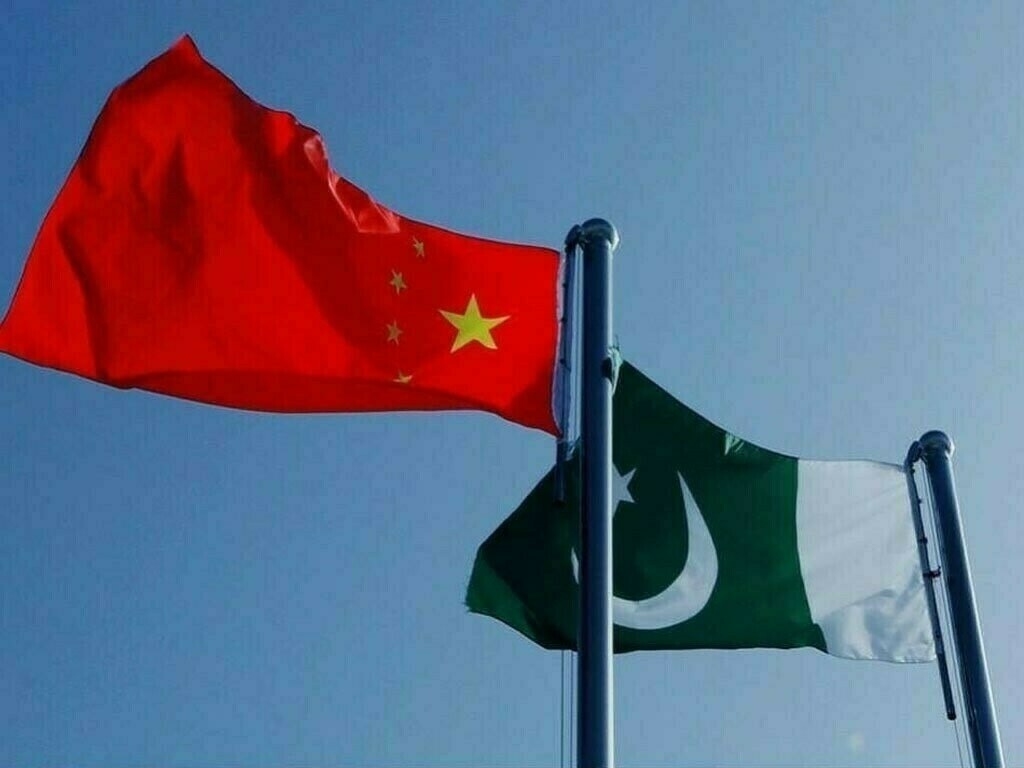

The recent trilateral meeting of the foreign ministers of China, Pakistan, and Afghanistan in Beijing represents more than a routine diplomatic engagement—it signals a strategic recalibration in the evolving architecture of regional connectivity and cooperation. While not a summit in the formal sense, the high-level dialogue underscores the increasing importance of regional mechanisms in fostering peace, economic integration, and mutual security.
While the meeting’s immediate focus was on regional development and stability, it also fits within a broader context where global powers are redefining their roles. China’s expanding engagement in regional diplomacy—anchored in initiatives such as the Belt and Road Initiative (BRI)—reflects its aspirations to strengthen development-led connectivity while promoting economic resilience across Asia and beyond.
A centerpiece of China’s regional outreach remains the China-Pakistan Economic Corridor (CPEC), initially envisioned as a bilateral economic partnership. Today, it plays a broader role in enabling regional trade and economic interlinkages. For China, such overland corridors offer viable alternatives to maritime routes, especially in an evolving global environment where supply chains are becoming increasingly complex.
Afghanistan’s participation in this dialogue signals its continued relevance to the regional connectivity vision. China’s constructive engagement with Kabul—focused on infrastructure development, mineral resources, and regional security—reflects a shared desire to integrate Afghanistan into broader development frameworks, thereby contributing to long-term peace and economic opportunity.
The idea of expanding connectivity from China’s Xinjiang region through Kyrgyzstan and Afghanistan to Central Asia is becoming more tangible. In light of shifting global trade patterns and regional realignments, land-based corridors provide a resilient alternative for economic cooperation among Eurasian nations.
Beyond infrastructure, the meeting highlighted China’s evolving diplomatic posture. By hosting such multilateral discussions, Beijing positions itself as a facilitator of peace and cooperation. This evolution from a traditionally reserved foreign policy to one of proactive engagement reflects China’s growing role as a key regional and global stakeholder.
Meanwhile, broader geopolitical developments continue to influence regional alignments. As international frameworks adjust to strategic competition among major powers, the importance of maintaining dialogue, fostering mutual respect, and supporting peaceful coexistence becomes increasingly vital. Both the United States through initiatives like the QUAD and China via the BRI are advancing development-focused approaches to regional stability. These efforts, while different in form, share an interest in peaceful progress.
Pakistan and Afghanistan, located at the crossroads of major connectivity routes, stand to gain significantly from such frameworks. For Pakistan, deeper economic ties under CPEC represent both opportunity and regional relevance. For Afghanistan, participation in transnational infrastructure projects may support its long-term development and international reintegration. For China, a stable and cooperative neighborhood enhances the sustainability of its initiatives.
The trilateral meeting in Beijing should be viewed not as a contest of influence, but as an opportunity for constructive collaboration. As regional stakeholders work together, prioritizing transparency, inclusivity, and mutual benefit will be essential to ensuring that strategic ambitions translate into lasting peace and prosperity.
In a world increasingly shaped by shared challenges and interconnected destinies, initiatives that bring nations together through dialogue and development are vital. The recent trilateral engagement may serve as an important step toward a cooperative and peaceful regional future—one built on trust, connectivity, and common purpose.
Copyright Business Recorder, 2025

















Comments
Comments are closed for this article.