


Pakistan food industry opposes proposed front-of-pack warning labels
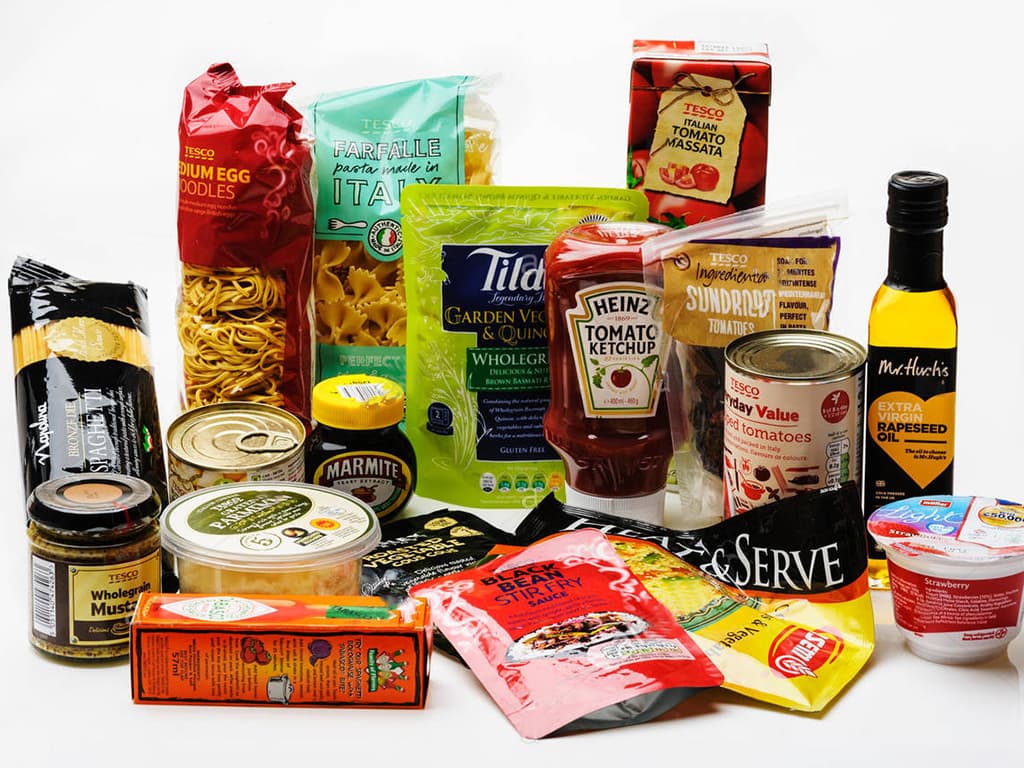

LAHORE: Stakeholders from Pakistan’s packaged food industry expressed serious concerns over a recent proposal “adoption of nutrient profile models and front-of-pack warning labelling for public health in Pakistan”, and urged the Ministry of Science and Technology (MoST) to initiate meaningful consultations with industry representatives before implementing the proposal.
According to industry sources, the Ministry of National Health Services, Regulations and Coordination, through the Pakistan Standards and Quality Control Authority (PSQCA) under the MoST, has introduced a proposal mandating front-of-pack warning labels on all packaged food and beverage products sold in the country.
Industry bodies including the Pakistan Association of Food Industries (PAFI), Pakistan Dairy Association, and the Fruit Juice Council, among others, have expressed their reservations in formal letters addressed to the Ministry. They argue that packaged food accounts for only 10–15% of the market in Pakistan, while the remaining majority consists of unpackaged, non-traceable, often adulterated, and unsafe food products.
The Overseas Investors Chamber of Commerce and Industry (OICCI) and the Pakistan Business Council (PBC) also in their separate correspondence with the Ministry supported the plea of the industry to sort out the issue through consultations.
They emphasize that the packaged food industry in Pakistan delivers safe, high-quality, nutritious, and traceable food in accordance with international standards. Labels on packaged products already include detailed nutritional information - such as fat, carbohydrates, sugar, fiber, proteins, sodium, energy, vitamins, and minerals - per 100g/100ml or per serving, aligned with international benchmarks like the Codex Alimentarius. This transparency, they said, is not available with loose or unpackaged food items, leaving consumers less informed about their dietary choices.
The PAFI, which represents a significant segment of Pakistan’s food and beverage industry, stated that its members collectively generate an annual turnover exceeding PKR 1,000 billion, contribute over PKR 200 billion in taxes, and provide employment to more than 100,000 individuals across the country. The sector also supports allied industries such as packaging, logistics, and retail, and plays a key role in earning foreign exchange through exports.
The industry stakeholders contend that the proposed Front-of-Pack Warning Labelling (FOPWL) policy could have unintended consequences—potentially discouraging the consumption of regulated, safe, and traceable packaged foods in favour of unregulated and potentially hazardous alternatives. They stress that Pakistan’s primary food-related challenges lie in ensuring food security, safety, and quality, and argue that penalizing the regulated segment of the market could undermine public health goals and foster unfair trade practices.
The industry sources alleged that change of label requires at least six months so as industry can consume its previously printed labels and go for the new ones. While change of label also requires consultation with the stakeholders but the government quarters are trying to ignore all the legal requirements and wanted to implement the proposal. They stated that two meetings were held on this topic but industry was not given proper time to deliberate on this matter and put forth its point of view.
“We believe that collaboration is essential,” stated a representative. “We request a meeting with the Ministry at the earliest opportunity to discuss our concerns and work together on developing effective, science-based solutions that prioritize consumer well-being without jeopardizing the growth and integrity of the packaged food industry.”
Copyright Business Recorder, 2025





















Comments
Comments are closed for this article.