


Logistics industry facing massive losses due to offline trade
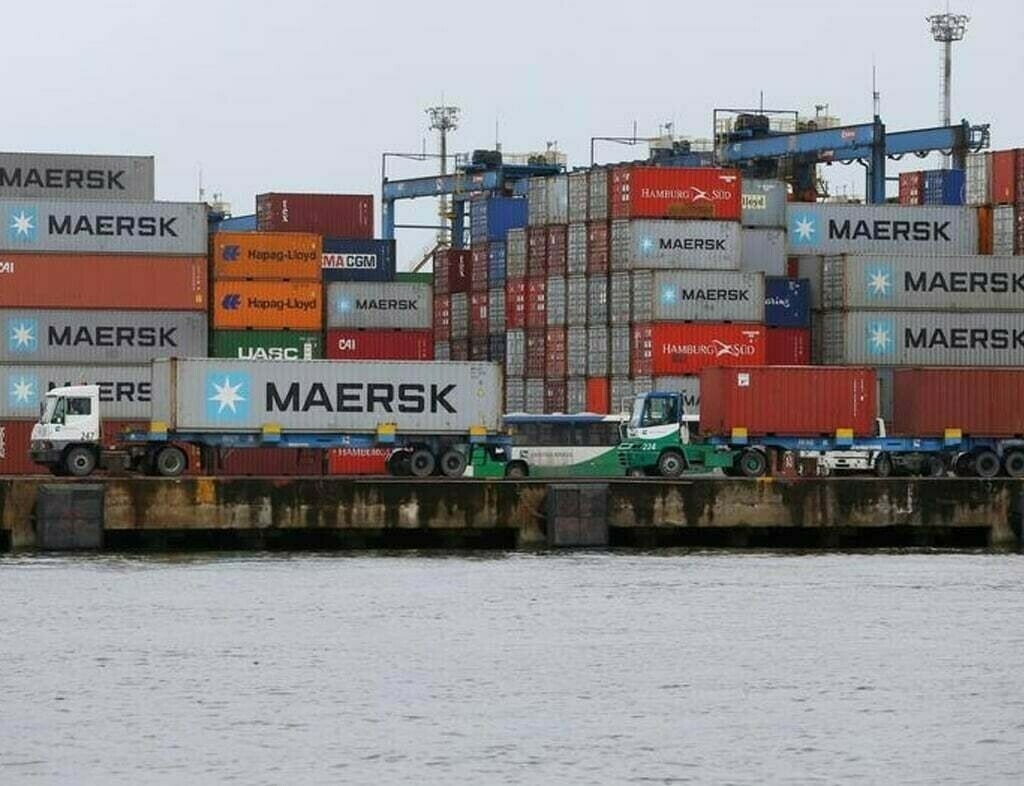

KARACHI: Pakistan’s logistics industry is facing annual losses of approximately $36 billion due to offline trade, which is also contributing to the loss of two to three million jobs in the sector.
These concerns were highlighted by experts during the Pakistan Logistics and Shipping Summit 2025, held at a local hotel in Karachi on Thursday. Industry leaders emphasized that real-time solutions, including processing, tracking, and other digital facilities, are the only way to tap into growth opportunities and compete with the developed world.
While government processes have become nearly real-time, a significant gap remains, with approximately 70% of private sector activities, including those of freight forwarders and related service providers, still relying on outdated, manual methods.
Experts highlighted various issues linked to foreign trade, noting that only 40 percent of imported containers return as exports from Pakistan, indicating a serious imbalance in trade.
At the summit, industry leaders, government officials, and private-sector innovators gathered under one overarching theme: technology is the key to transforming Pakistan’s cross-border trade. The event’s keynote speeches and panel discussions made it unequivocally clear that the government is now fully backing public-private partnerships to build trust and enhance the nation’s trade efficiency.
According to keynote speaker Asif Pervez, Founder and CEO of Galaxefi Solutions, initiatives such as Digital Pakistan, Uraan Pakistan, and Pakistan Single Window (PSW) have laid a robust foundation for modernization. PSW, in particular, has digitized over 70 government agencies, streamlining customs, licensing, and regulatory processes that previously hindered trade operations.
However, technological gaps, hesitation from SMEs and stakeholders in adopting digital solutions, and slow-paced support for digitization are still preventing Pakistan from keeping pace with other developing countries. This disconnect is not merely a technological lag; it represents lost opportunities.
The CEO of Galaxefi emphasized that the private sector is ready and actively investing in state-of-the-art real-time systems.
“Alhamdolillah, systems like Galaxefi are not only ready to complement PSW’s achievements but also provide the only true real-time, trustworthy solutions with full PSW support,” he declared. Galaxefi’s platform, praised for its cutting-edge integration capabilities and automation of critical trade processes, promises to revolutionize Pakistan’s logistics ecosystem. With real-time tracking, automated documentation, and seamless integration with government systems, Galaxefi is expected to significantly boost Pakistan’s export capacity, with projections suggesting an increase of up to 0.5 million TEUs by 2026.
Economist and panelist Jibran Hussain Raza remarked, “When our competitors embrace real-time systems, they secure trade deals faster, optimize supply chains better, and reduce operational costs dramatically. We risk becoming irrelevant if we do not bridge this digital divide.” The inefficiencies of post-shipment documentation and manual processing not only slow down trade but also result in billions of dollars in losses and a diminished global standing.
Another panelist, Amar Ahmed Mir, Domain Officer of PSW, stated that since PSW began operations in 2022, the organization has integrated various government entities and stakeholders into its system. It has also linked the private sector to facilitate seamless public-private collaboration in foreign trade.
Responding to a query, he endorsed real-time systems as the solution for fully digitizing international trade, stating that PSW has supported and will continue to support private organizations like Galaxefi in introducing real-time facilities.
Najeeb Agrawalla, CEO of 1Link, also addressed the summit, stressing that in a world where every nation is racing toward digital transformation, Pakistan must not be left behind.
Enhanced infrastructure, government incentives, and a supportive regulatory environment can transform the country’s 70 percent offline trade ecosystem into a dynamic, globally competitive digital economy.
During the summit, panelists emphasized that in the global push toward digital transformation, Pakistan cannot afford to lag. Enhanced infrastructure, government incentives, and a supportive regulatory framework are essential to revamping the country’s logistics sector and making it competitive on an international scale.
Copyright Business Recorder, 2025



















Comments
Comments are closed for this article.