


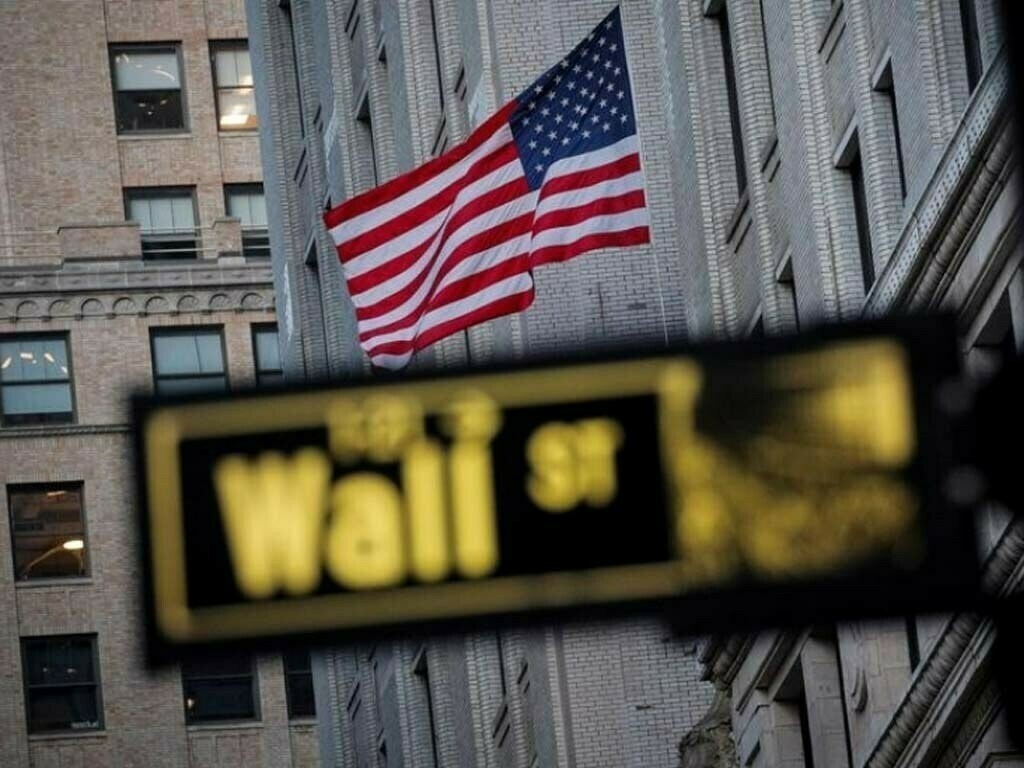
Wall Street’s main indexes slipped on Friday following the S&P 500 and the Nasdaq’s six-day winning streaks after a spate of encouraging economic data allayed recession worries, while weak housing data dampened sentiment.
Equities came under pressure a bit after data showed U.S. single-family homebuilding fell sharply in July, suggesting that the housing market remained depressed at the start of the third quarter.
Nine of the 11 major S&P 500 sectors were trading lower, with energy the worst hit, tracking lower crude oil prices.
The benchmark index has recovered from a pullback earlier this month caused by a dour U.S. jobs report and the yen carry trade as better-than-expected data calmed nerves over a sharp slowdown in the world’s largest economy.
U.S. consumer and producer prices data this week indicated inflation was moderating at a pace that would keep the U.S. Federal Reserve on track to start its monetary easing cycle with a 25-basis point rate cut next month.
“The signal from this week’s batch of data is that the sky is not falling out as some investors had started to fear,” said Mike Reynolds, vice president of investment strategy at Glenmede.
Wall St charges ahead as retail sales soothe slowdown fears
“The totality of the data we’ve gotten so far leading into (the next Fed meeting) makes a really strong case for rate cuts.”
Market participants will look to minutes from the Fed’s last policy meeting and Fed Chair Jerome Powell’s outlook of the U.S. economy at the Jackson Hole symposium, an annual gathering of global central bankers, next week for more clues on the rate cut trajectory.
The S&P 500 and the Nasdaq were headed for their best weeks since October, while the Dow was on pace for its best weekly showing since December.
Later in the day, University of Michigan will issue its consumer sentiment survey for August around 10 a.m. ET (1400 GMT).
In an interview with National Public Radio, Chicago Fed chief Autan Goolsbee said the U.S. economy is not showing signs of overheating, so central bank officials should be wary of keeping restrictive policy in place longer than necessary.
At 9:35 a.m. ET, the Dow Jones Industrial Average fell 53.74 points, or 0.13%, to 40,509.32, the S&P 500 lost 12.63 points, or 0.23%, to 5,530.59 and the Nasdaq Composite lost 52.02 points, or 0.30%, to 17,542.48.
Applied Materials dropped over 3% following a strong jump ahead of its results. The chip-making equipment firm forecast fourth-quarter revenue slightly above Wall Street estimates.
U.S.-listed shares of Amcor slipped 4% after the packaging company reported a more-than-expected decline in fourth-quarter sales, hurt by weaker demand for its containers and cartons.
Overall, U.S. stock trading volume has been below its 20-day moving average in the past six sessions as many investors are away for summer break.
Declining issues outnumbered advancers by a 1.25-to-1 ratio on the NYSE and by a 1.23-to-1 ratio on the Nasdaq.
The S&P 500 posted two new 52-week highs and no new lows, while the Nasdaq Composite recorded 14 new highs and 28 new lows.




















Comments
Comments are closed for this article.