


Euro inches higher ahead of ECB decision on bond buying
- The dollar index was marginally lower at 92.644, after three consecutive days of rises
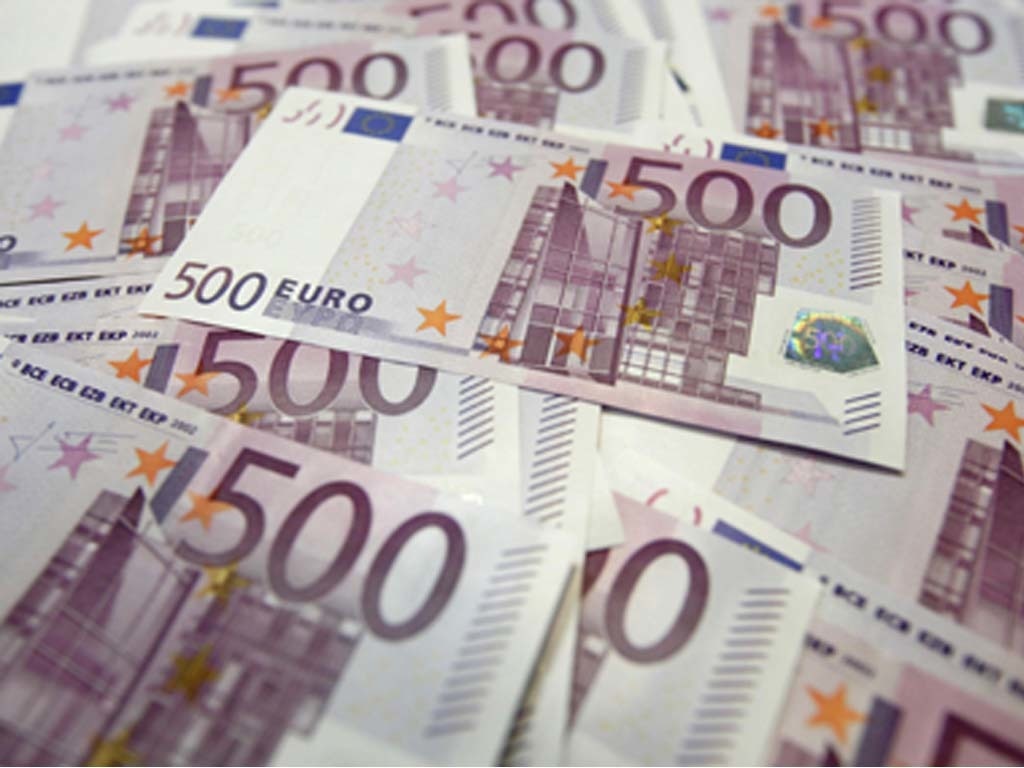
LONDON: The euro edged higher on Thursday before an expected reduction in the pace of the European Central Bank's bond buying, while the dollar held to recent gains as concerns about the global economy sent traders into currencies deemed safer.
The euro rose 0.1% to $1.1825 following a three-day retreat from Friday's two-month high of $1.1909.
The dollar index was marginally lower at 92.644, after three consecutive days of rises.
The ECB holds a policy meeting on Thursday at which it is expected to announce a trimming of the pace of its asset purchases, taking a token step towards unwinding the emergency economic aid it has put in place during the pandemic.
Analysts polled by Reuters see bond buying under its pandemic emergency purchase programme (PEPP) falling to possibly as low as 60 billion euros ($71 billion) a month from the current 80 billion euros, before a further fall early next year and the scheme's end in March.
But at the same time, the ECB is expected to signal copious support for years to come, after PEPP expires.
"As for the euro, it could gain on a tapering decision, but whether the rally will be strong and long-lasting will depend on any accompanying decision on other schemes, and any remarks on future plans," said Charalambos Pissouros, head of research at JFD Group.
He said that, should officials delay the step to slow stimulus, the euro would likely drop.
Stocks fell on concerns about the global economy and worries that risk assets have rallied too hard in recent months. The cautious mood helped the safe-haven Swiss franc. The dollar dropped 0.3% to 0.9195 francs, while the euro weakened 0.1% to 1.0885 francs.
The yen was also stronger, with the dollar losing 0.2% to 129.99 yen.
Sterling steadied at $1.3778 after falls earlier in the week.
The Canadian dollar slipped 0.2% to C$1.2721 per US dollar , having fallen on Wednesday to its lowest since Aug. 23.
The Bank of Canada left its key interest rate at a record low 0.25% and maintained its current quantitative easing program on Wednesday.
The Chinese yuan was flat at 6.4587 per dollar in offshore trade, though price data showed a worsening environment for Chinese businesses.
China's factory gate inflation hit a 13-year high in August despite Beijing's attempts to cool them while consumer inflation slowed unexpectedly in a sign of soft consumption.
Emerging market FX was generally lower as investors sold out of riskier currencies.
"One big difference versus Q4 or Q1 is that the range of economic and inflation consequences is much wider given the uncertainties on how COVID and inflation evolve," said Steve Englander, head of global FX Research at Standard Chartered Bank's New York Branch.
"Investors may be quick to bail out of risk, if it looks like one of these tail risks is becoming more prominent," he added.




















Comments
Comments are closed for this article.