


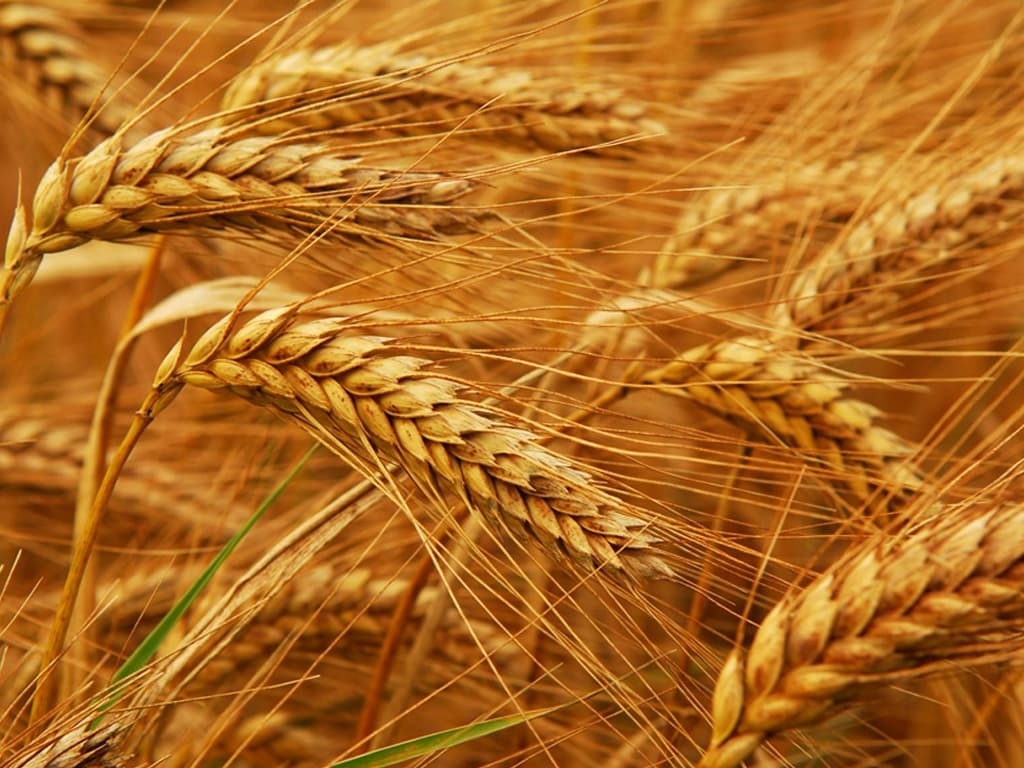
HAMBURG: Germany’s 2021 wheat crop of all types is expected to increase by 2.4% on the year to around 22.66 million tonnes, the country’s association of farm cooperatives said in its latest harvest estimate on Wednesday.
The association forecast that Germany’s 2021 winter rapeseed crop will rise 3.1% from last summer’s crop to 3.62 million tonnes.
This was up from its previous harvest forecast in April when the association forecast a wheat crop of 22.63 million tonnes and a winter rapeseed crop of 3.57 million tonnes.
The association said the slight increase in its latest forecast followed new estimates of sown areas for the 2021 harvest published by Germany’s national statistics office earlier on Wednesday.
The statistics office estimated that lower plantings of spring grains is partly because mild winter has reduced the need to re-sow frost damaged crops.
Germany’s wheat, grains and rapeseed are generally developing well but the cool start to the spring means crops are about two weeks behind normal growth and development, the association said.
Recent widespread rain in Germany is also positive for crops as subsoil water reserves have still not fully recovered from a drought in 2018, it said.
Germany is the European Union’s second largest wheat producer after France and also often the EU’s largest producer of rapeseed, Europe’s main oilseed for edible oil and biodiesel production.



















Comments
Comments are closed for this article.