


Lebanon protesters back on streets as pound loses 90pc of its value
- Lebanese pound has lost 90% of its value.
- Dwindling reserves stand at $16 billion amid political deadlock.
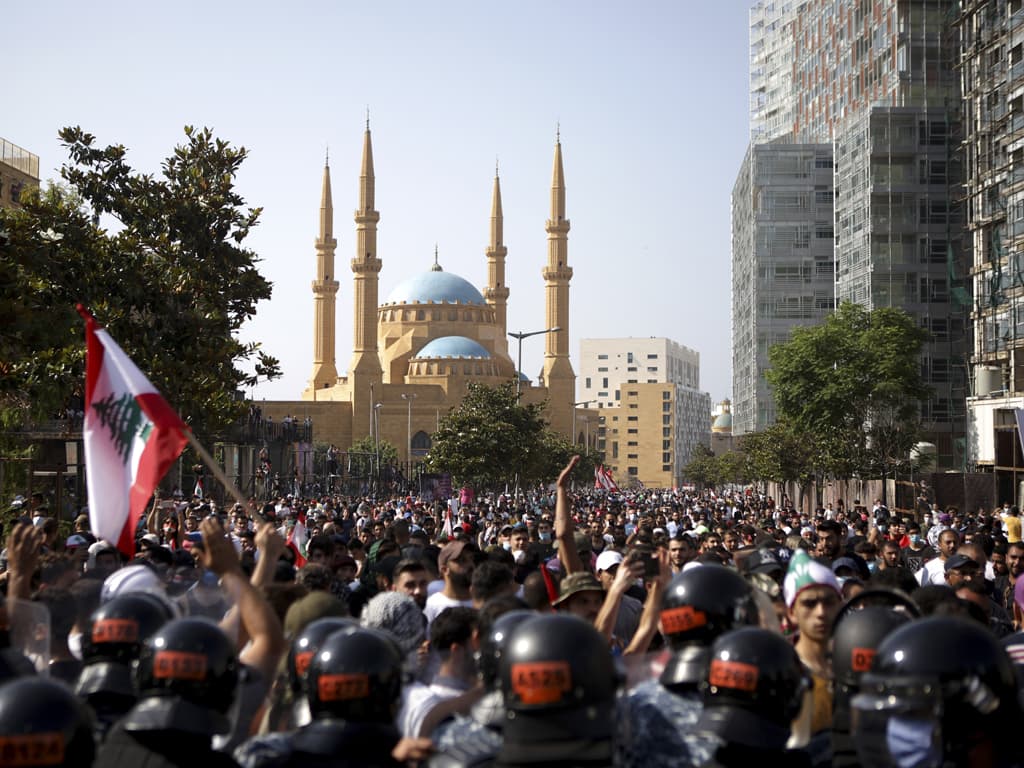

BEIRUT: Angry protesters used burning tyres to block roads in parts of Beirut on Tuesday as the Lebanese pound crashed past a new milestone in its plunge against the dollar, losing most of its value as the country's financial meltdown worsens.
The pound traded at around 15,000 to the dollar and above for the first time on Tuesday, according to market dealers, and has now lost nearly 90% of its value since the crisis started in late 2019.
"We are absolutely fed up, we are hungry we are finished," one protester yelled.
Lebanon's economic crisis is posing the biggest threat to its stability since the 1975-1990 civil war, wiping out jobs, locking people out of their bank deposits and raising the risk of widespread hunger.
Parliament convened committees to discuss an emergency loan for the country's electricity company after the energy minister warned it would be lights out across Lebanon by the end of March if a cash injection is not made.
The committees only managed to promise $200 million out of a total requested of around $1 billion.
The proposal now has to be approved by parliament.
An official source told Reuters that Lebanon's foreign reserves now stand at around $16 billion.
That compares with about $19.5 billion in August and means that not much is left for a subsidy programme to fund basic goods, including wheat and fuel.
Lebanon's problems were compounded after an explosion at the port in August devastated whole tracts of Beirut, killing 200 people and prompting the government to resign, leaving the country rudderless as it sinks deeper into financial collapse.
Prime minister Hassan Diab's cabinet has stayed on in a caretaker capacity until a new government is formed. No budget has yet been passed by parliament for 2021.
Prime minister-designate Saad al-Hariri, nominated in October, is at loggerheads with President Michel Aoun and has been unable to form a new government to carry out reforms to unlock international aid.













Comments
Comments are closed for this article.