


Brussels wants EU deficit rules suspended until 2023
- The EU executive suspended the rules a year ago as the European Union sank into its deepest recession since World War II.
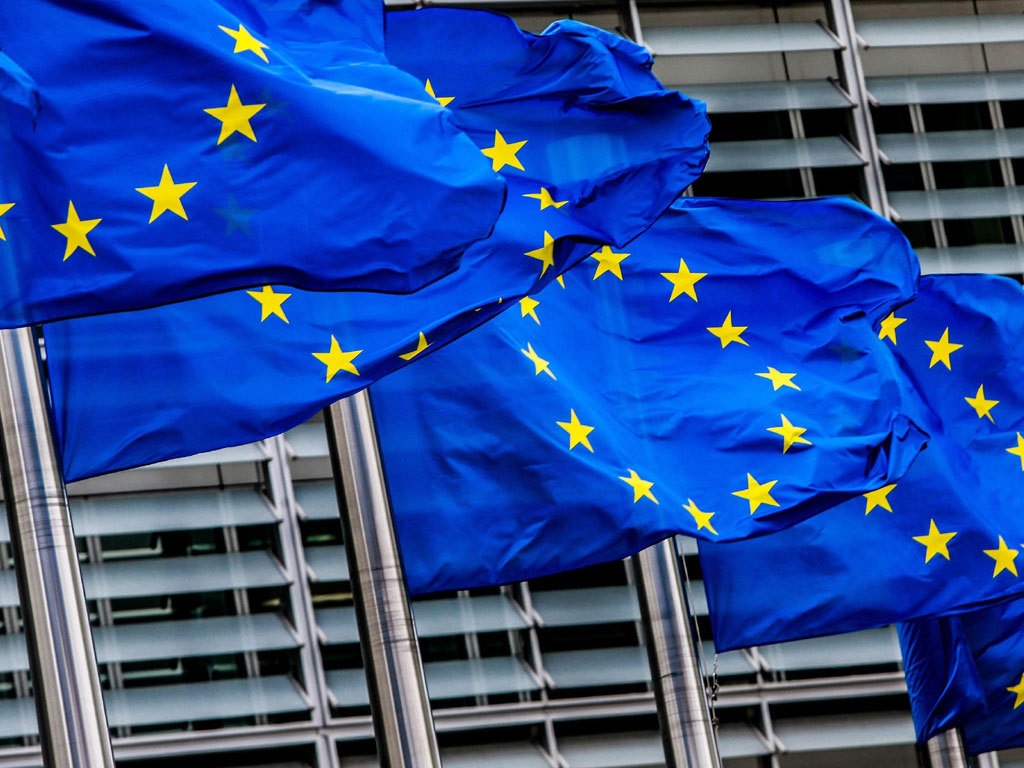
BRUSSELS: Limits on public overspending by EU governments should remain suspended until the end of 2022 as the coronavirus pandemic is still choking the economy, the European Commission recommended on Wednesday.
The EU executive suspended the rules a year ago as the European Union sank into its deepest recession since World War II.
This has allowed countries to open the money taps to rescue their economies and help companies survive the pandemic.
EU Executive Vice President Valdis Dombrovskis said that, based on current projections, the reprieve should "remain active in 2022 and be deactivated in 2023" when Europe's economy should have returned to pre-crisis health.
The idea will have to be approved by the EU member states and the commission could face hard questions from the so-called Frugals -- richer members such as the Netherlands and Denmark -- that are wary of allowing big spending to continue longer than necessary.
Paolo Gentiloni, the EU's commissioner for the economy, argued that the pandemic was still inflicting pain on Europe's economy and that "for 2022, it is clear that fiscal support will still be necessary."
"Better to err towards doing too much rather than too little," Gentiloni, a former Italian prime minister, added.
Known as the Stability and Growth Pact, the rules limit deficit spending at three percent of the overall economy and debt at 60 percent.
The rules are often violated and countries risk penalties for ignoring them, though no government has ever been sanctioned.
The debt limit is especially overshot by several countries, with Italian debt, for example, soaring to a staggering 155.6 percent of the economy.
Instead the pact mainly empowers the EU executive and fellow member states to keep a careful eye on how national governments run their budgets.
The commission, with the backing of the member states, also signals to national governments what reforms need to be carried out in order to get a thumbs up from the EU.




















Comments
Comments are closed for this article.