


US natgas slips to fresh 4-week low as weather turns seasonally milder
- Front-month gas futures fell 2.6 cents, or 0.9%, to $2.745 per million British thermal units.
- At-the-money implied volatility for futures, a determinant of an option's premium, fell to 32.5%, its lowest since June 2019.
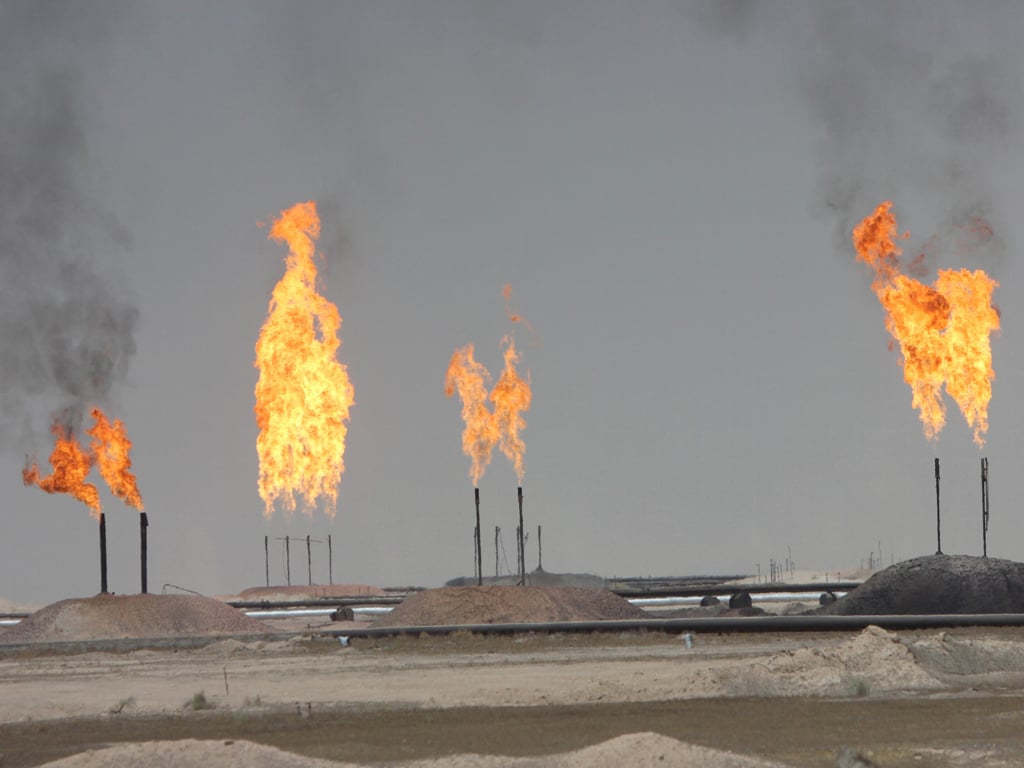
US natural gas futures slipped to a fresh four-week low on Monday on forecasts for seasonally milder weather and lower heating demand in March.
Front-month gas futures fell 2.6 cents, or 0.9%, to $2.745 per million British thermal units at 8:49 a.m. EST (1349 GMT), putting the contract on track for its lowest close since Jan. 29 for a third day in a row.
That put the front-month down for an eighth consecutive day the first time since October 2019, when prices fell for a record 12 days in a row.
At-the-money implied volatility for futures, a determinant of an option's premium, fell to 32.5%, its lowest since June 2019.
Forecasts for milder weather and lower heating demand in March prompted speculators last week to cut their net long positions on the New York Mercantile (NYMEX) and Intercontinental Exchanges by the most in a week since December.
Refinitiv said output in the Lower 48 US states dropped to an average of 86.5 billion cubic feet per day (bcfd) in February as extreme weather froze gas wells and pipes in Texas and the central United States, the lowest in a month since October 2018. That compares with 91.1 bcfd in January and an all-time monthly high of 95.4 bcfd in November 2019.
Refinitiv projected average gas demand, including exports, would drop from 111.3 bcfd this week to 102.9 bcfd next week as the weather turns seasonally milder. That, however, was higher than Refinitiv forecast on Friday.
The amount of gas flowing to US LNG export plants fell to an average of 8.5 bcfd in February as extreme cold cut power and gas supplies, the lowest since October 2020. That compares with an average of 10.4 bcfd in January and a monthly record high of 10.7 bcfd in December.
Buyers around the world continue to purchase near record amounts of US gas because prices in Europe and Asia remain high enough over US futures to make it profitable to ship American gas across the oceans.
Traders, however, noted US LNG exports cannot rise much more until new units enter service in 2022 since US export capacity is only 10.5 bcfd. LNG plants can pull in a little more gas than they can export since they use some of the fuel to run the facility.





















Comments
Comments are closed for this article.