


US cities, left behind in COVID-19 aid, look for lifeline in Biden era
- According to the association, total balances were seen falling by $33.3 billion in fiscal 2021 compared to fiscal 2019 levels.
WASHINGTON/REHOBOTH BEACH: In Washington's months-long political slugfest over who should get aid to counter the financial damage from the COVID-19 pandemic, there was at least one clear loser: local government.
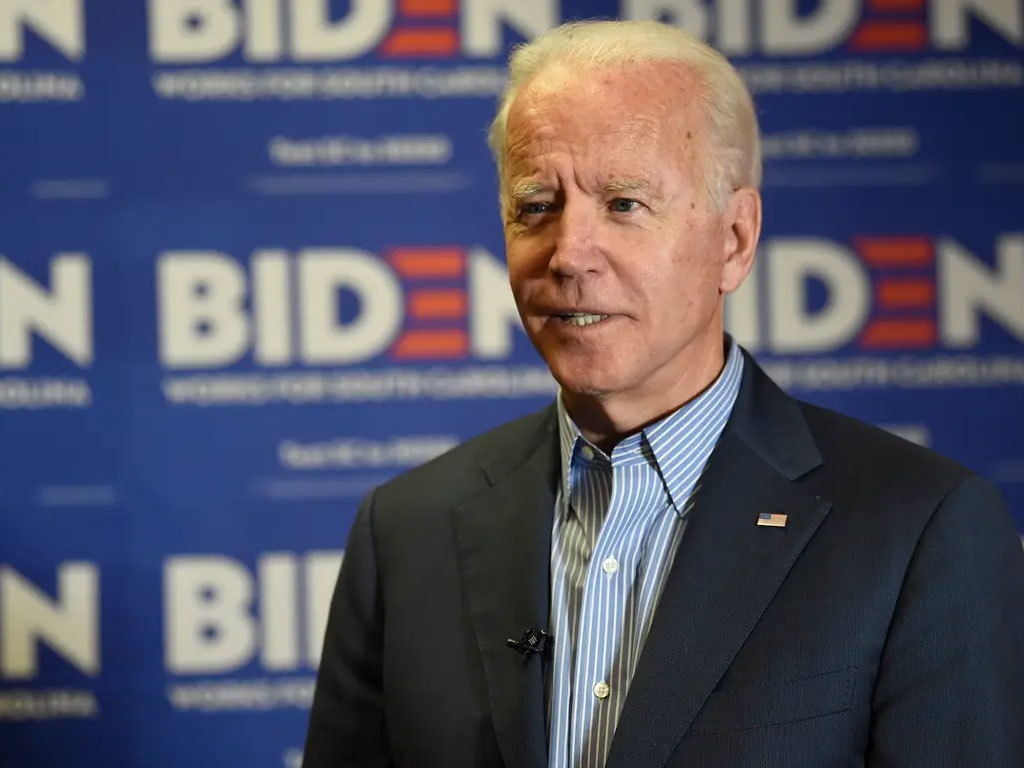
In the midst of cutbacks in workforce and emergency services and growing poverty, U.S. cities, especially the smaller ones, are hoping the next round of stimulus includes them and that President-elect Joe Biden advocates for them when he takes office on Jan. 20.
The latest coronavirus bill for $892 billion in aid - painstakingly negotiated over months and begrudgingly signed into law last week by President Donald Trump - left a bad taste in some mayors' mouths.
In Dayton, Ohio, population 140,000, Mayor Nan Whaley noted that Congress voted to restore a "three-martini lunch" corporate tax break and approved money to bail out theaters in the aid bill. "But they left the cities out. I have a real problem with that," the Democratic mayor told Reuters after Congress passed the bill.
Her city will not be able to hire a new class of police and firefighters in 2021 without emergency funding from Washington, she said.
Under Biden's guidance, a Democratic-crafted bill is likely to seek an infusion of hundreds of billions in cash to help state and local governments, compelled by the toll of the pandemic. He has called for a bipartisan effort in January.
"That action should include additional resources to communities to help keep teachers, firefighters, police officers and other first responders on the job, and more funds for testing, vaccine manufacturing and distribution and resources for schools across the country," said Biden transition spokesman TJ Ducklo.
But with the new Congress that convenes on Sunday, there could be resistance from the Senate, especially if Republicans hold control of the chamber after two runoffs in Georgia on Jan. 5.
After allowing some state and local aid in an early 2020 stimulus, Senate Majority Leader Mitch McConnell, a Republican, stood firmly against an additional tranche, calling it "massive bailouts" and an unnecessary "slush fund" for Democratic states.
Officials from localities too small to have qualified for federal aid delivered in March described a different landscape.
Asked about McConnell's remarks, Arlington, Texas, Mayor Jeff Williams, a Republican, said in a Dec. 22 telephone interview: "Please don't characterize all cities" that way.
Williams said his city of 400,000 imposed across-the-board job cuts in October in anticipation of an 8-10% revenue drop, largely because pandemic lockdowns translated into commercial business property values falling.
He said more job cuts could be on the way.
Greg Fischer, president of the U.S. Conference of Mayors, said given that fire, police and other public safety workers comprise about two-thirds of many city budgets, Congress' refusal to help smaller local governments was "kind of baffling and infuriating. These are the folks citizens depend on for public safety services" during the pandemic.
Fischer is the Democratic mayor of Louisville, Kentucky, McConnell's hometown, which did receive federal aid from the March 2020 law.
The United States has reported more cases and deaths than any other country, with nearly 20 million people infected by the coronavirus and more than 340,000 deaths.
Officials in counties across the United States tell Reuters the funding crisis has limited the hiring of needed vaccine staff, delayed the creation of vaccination centers, and undermined efforts to raise public awareness.
States, meanwhile, are having to increase spending on Medicaid healthcare for the poor amid high levels of unemployment brought by the pandemic, according to the National Association of State Budget Officers' Kathryn White.
In the spring, Congress earmarked roughly $200 billion for states, local and tribal governments and school and transit systems, a figure that fell far short of what was needed to plug the budget gaps caused by the pandemic.
In an updated survey released on Dec. 23, NASBO described significant budget problems since the pandemic began in the United States. "During 2020 legislative sessions, states faced rapidly deteriorating economic conditions and revenue outlooks," the survey said.
According to the association, total balances were seen falling by $33.3 billion in fiscal 2021 compared to fiscal 2019 levels.
As coronavirus problems ripple through economies, McConnell has warned against rushing to enact more aid. "We will take a look at it, based upon conditions in the country at that time," he told Fox News on Dec. 22, referring to an anticipated Biden proposal.
Meanwhile, governors and mayors argue that a 2021 federal stimulus makes long-term sense, on top of the nearly $4 trillion in aid already provided between measures taken in the spring and the latest deal.
Williams noted that with infrastructure investments also high on Biden's 2021 agenda, "cities have to be well enough to have matching funds" in reserve in order to qualify for federally-financed projects.


















Comments
Comments are closed for this article.