


Who should wear a face mask, and do they stop the coronavirus?
- Masks work by capturing droplets that are dispersed in coughs, sneezes and breath - these are the main transmission route of the new coronavirus.
- Some masks have a valve in the front to help prevent moisture in exhaled breath condensing on the inside, making the mask wet and more liable to virus penetration.
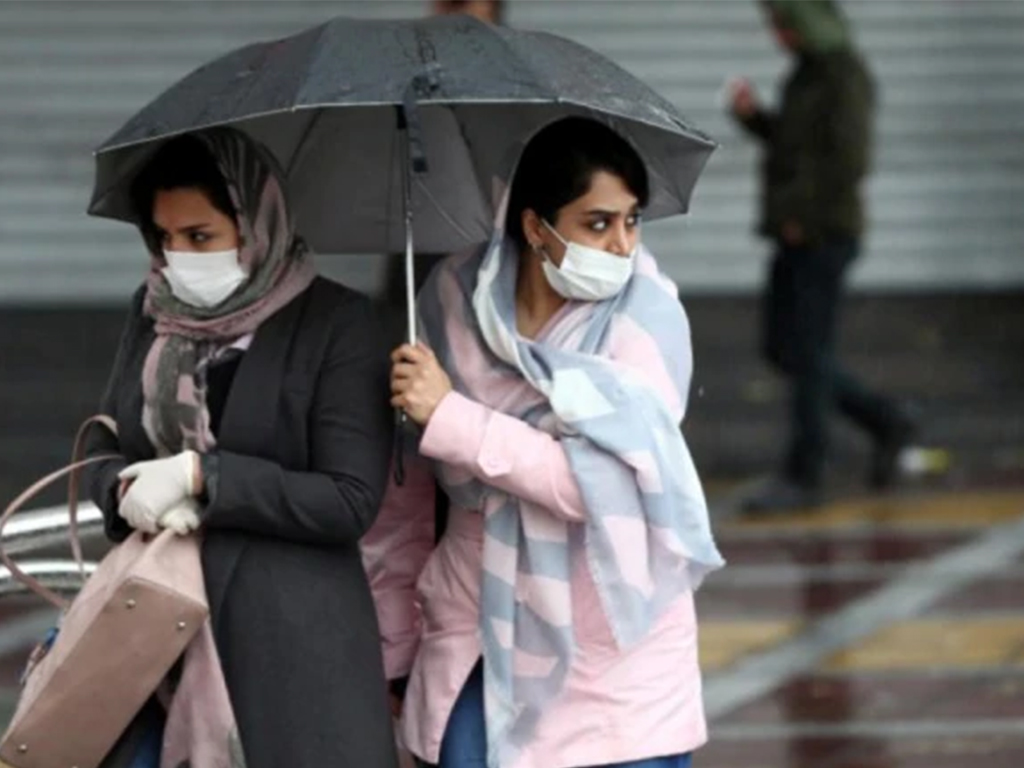 LONDON: Many people across Asia wear face masks to try and protect themselves against COVID-19, the disease caused by the new coronavirus. In Europe and the United States, masks are less commonly worn, but many people are asking: Should they wear them during the pandemic?
* The World Health Organization's advice is that if you are healthy, you only need to wear a mask if:
- you are caring for someone with suspected or confirmed COVID-19 infection
- you are coughing or sneezing yourself, or suspect you might have COVID-19.
* Masks work by capturing droplets that are dispersed in coughs, sneezes and breath - these are the main transmission route of the new coronavirus.
* There are two main types of mask: surgical masks, which are strips of fabric worn across the nose and mouth and closer-fitting ones sometimes called respirators.
* Close-fitting masks - such as ones - can offer good, but not total protection against infectious droplets, while the next rank up - the N99-rated masks - can give better protection, but some find them difficult to breathe through.
* The "N" rating relates to the percentage of particles of at least 0.3 microns in diameter that the mask is designed to block: N95 masks stop 95% and N99 masks stop 99%.
* Some masks have a valve in the front to help prevent moisture in exhaled breath condensing on the inside, making the mask wet and more liable to virus penetration.
* Masks are only effective if you combine wearing them with frequent hand washing and ensure you don't touch your face.
* Anyone using a mask should make sure their hands are thoroughly cleaned with soap and water or an alcohol-based hand sanitizer before putting it on.
* The mask should cover your mouth and nose, and there should be no gaps between your face and the mask.
* As much as possible, avoid touching the mask.
* When the mask becomes damp, replace it with a new one. Do not re-use single-use masks.
"Wearing a mask can also reduce the propensity for people to touch their faces, which happens many more times a day than we all realise and is a major source of infection without proper hand hygiene," said Stephen Griffin, an associate professor at Leeds University's Institute of Medical Research.



















Comments
Comments are closed for this article.