


Divided EU leaders to hammer out budget at February summit
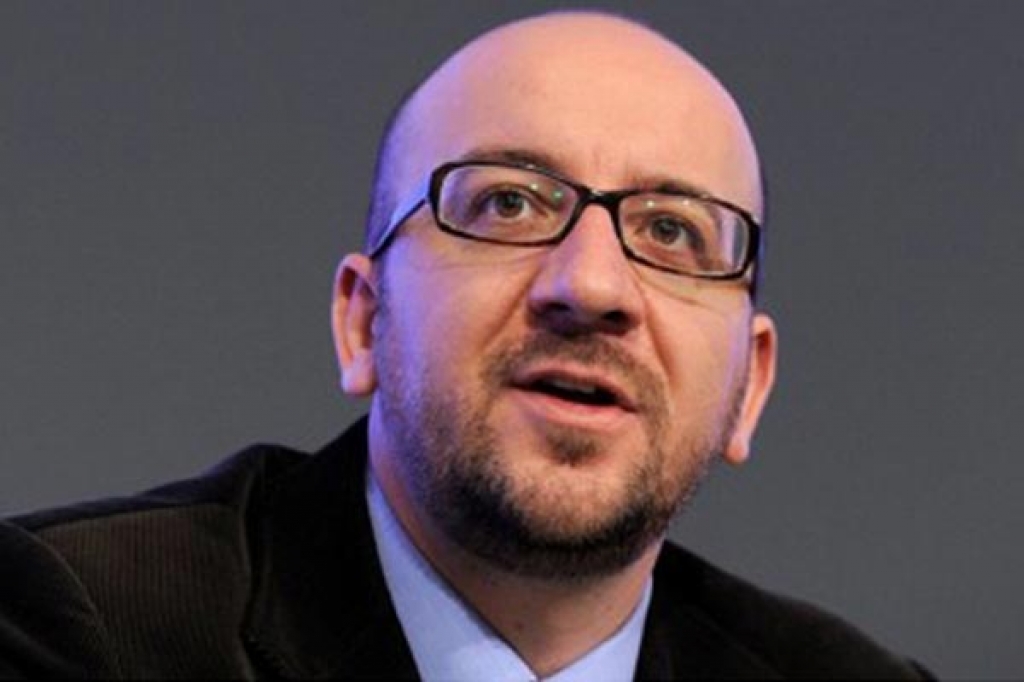
- European Council President Charles Michel on Saturday invited the heads of state and government of the bloc's 27 member nations to an exceptional summit on February 20.
BRUSSELS: European Union leaders meet next month in Brussels to try to agree a first post-Brexit longterm budget, with divisions over proposed cuts that could undermine defence and climate change ambitions.
European Council President Charles Michel on Saturday invited the heads of state and government of the bloc's 27 member nations to an exceptional summit on February 20.
Any further delay might jeopardise both current programmes and policies and the launch of new ones, he said.
"I am fully aware that these negotiations are among the most difficult ones we have to face," he added.
"But I am also convinced that with common sense and determination we can strike a deal that will benefit all Europeans."
Member states are divided on the bloc's 2021-2027 long-term budget.
The talks have been complicated by the January 31 departure of Britain, which was the EU's second-biggest economy and a major net contributor.
European Commission chief Ursula von der Leyen expressed concern in December about "severe cuts" in the proposed long-term budget plan from Finland, which holds the bloc's rotating presidency, referring to their call for austerity.
Von de Leyen on December 11 launched the bloc's new "Green Deal", a key element of which will be a law committing member states to building a carbon-neutral economy by 2050.
"Some say the cost of this transition is too high: let us never forget what the cost of non-action would be. It is rising by the year," she told the European Parliament.
- Finnish cuts -
Member states have been negotiating since mid-2018 on the basis of a Commission proposal calling for a multi-year budget of 1.134 trillion euros ($1.4-trillion).
But the Finnish proposal slashes that to 1.087 trillion euros and, crucially, nearly halves the size of a Macron-backed European defence fund.
"I will not support a draft budget that does not live up to our ambition on this point," Macron told reporters after a NATO Summit early December.
"On these new policies of defence, research, artificial intelligence (...), we need an ambitious budget, otherwise we are not coherent," he added.
The Finnish proposal is intended to break the logjam, with net contributors such as Germany, Netherlands and other northern countries insisting on cutbacks.
But outnumbered eastern EU states have rejected the proposed cuts, worried about the special funds that have spurred their development since they joined the bloc.
The EU Cohesion Fund aims to raise the economies in the EU's traditionally poorer southern and eastern countries to the higher western levels.
Farming subsidies, which with development funds account for the biggest share of the budget, are also slated for big cuts.
Michel, who was tasked at a European summit in December with advancing negotiations, urged all sides to "demonstrate a spirit of compromise" to reach an agreement.
Any deal they come up with will have to be ratified by the European Parliament.



















Comments
Comments are closed for this article.