


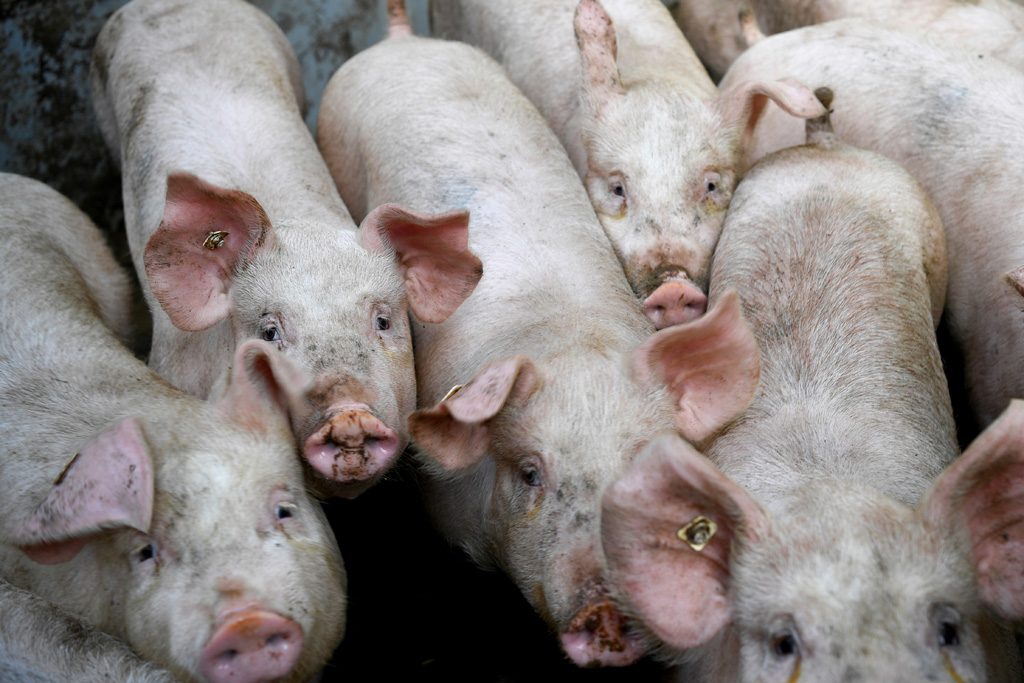
 PARIS: In a cruel irony in the Chinese Year of the Pig, outbreaks of African Swine Fever are forcing huge culls that could send pork prices to levels never seen before.
According to the UN's Food and Agricultural Organization, pork prices "have begun to soar", rising by up to 50 percent both in China and on the Chicago futures exchange.
In Europe, the rise has been 18 percent since the beginning of March as Japan and South Korea, two major importing nations, have started to build up reserves in cases of disruptions to supplies, according to commodities markets research firm Cyclope.
In France and Germany, pork prices have "risen by 30 percent since the start of year due to China," said Jean-Paul Simier, an agricultural market analyst at French bank Credit Agricole who authored the meat section of the latest Cyclope annual report.
Home to nearly half of the world's pigs, China is both the world's largest consumer and producer of pork, which is a staple of its cuisine.
African Swine Fever, a virus that is not dangerous to humans but fatal to pigs and wild boar, began sweeping across China last year.
Chinese officials have said hundreds of thousands of pigs were culled in a bid to stop its spread -- an effort that has also seen restrictions placed on moving pigs from affected areas.
Despite the measures, African Swine Fever continued to spread, eventually hitting China's major pig farming area in Sichuan province.
- Record prices? -
===================
Cyclope said that since the start of the year 20 Chinese provinces have been hit, leading authorities to cull one million pigs, and removing them from the food chain.
It has continued to spread further, approaching the border with Laos in the south of the country and to the tropical island of Hainan, according to a map produced by the FAO.
Cambodia, Mongolia and Vietnam have also been hit, with nearly 100,000 pigs culled in the three countries.
The culls mean that China must now begin importing pork massively to compensate for lost production, said Jean-Paul Simier.
"China is the decisive market for pork, you need to understand that 700 million pigs live in China, compared to 20 million in France for example," he said.
"The outbreak of African Swine Fever (ASF) in East Asia is likely to have a noticeable impact on meat and feed markets worldwide," said the FAO in its latest semi-annual report on food markets that came out earlier this month.
It warned of "challenges to maintaining adequate meat supplies in affected countries," saying that based on reports by government officials, industry sources and news media that the extent of the cull may have reached 20 percent of China's pig herd.
Simier has a more conservative forecast of a drop in Chinese pork production of 10 percent this year, or nearly 6 million tonnes.
"That is already enormous, because the international meat trade is only some 10 million tonnes per year," he said.
"If the disease situation gets out of control, pork could hit prices never seen before," he added.
While that is bad news for consumers, it means good business ahead for pig farmers in regions that haven't been touched by African Swine Fever.
But farmers who raise feed grains for pigs, particularly soybeans, could be hurt by a drop in Chinese demand.






















Comments
Comments are closed for this article.