


Indian palm oil imports unlikely to rise despite fall in prices
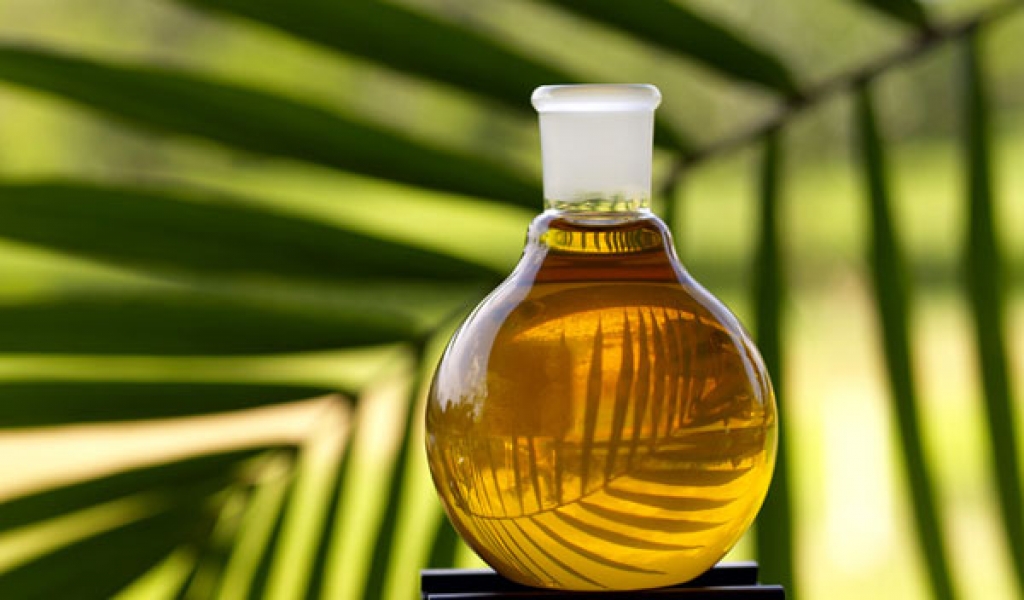
MUMBAI: India's palm oil imports are unlikely to climb over November to January even as prices for the commodity plumb their lowest in three years, reined in by ample local supply of rival oilseeds and as a liquidity crunch hits would-be buyers, traders said.
The South Asian country is the world's biggest importer of palm oil and is a key factor in international benchmark prices , which have fallen nearly a fifth so far in 2018.
"Imports won't rise. There is a liquidity crunch and domestic oil availability is improving," said Govindbhai Patel, managing director of trading firm G.G. Patel & Nikhil Research Company.
The nation's imports in the first quarter of the 2018/19 marketing year that started on Nov. 1 could average between 750,000 tonnes and 800,000 tonnes, Patel said. That is around levels expected to be recorded for the previous three months and compares to 758,000 tonnes at the same time in the last marketing year.
Supplies of summer-sown oilseeds such as soybeans and groundnuts have started to come to market and crushing has also been picking up this month, traders said. Production of soybeans, the main summer-sown oilseed, is expected to jump a fifth in 2018 from a year ago.
Benchmark international palm oil prices were trading around 2,020 ringgit ($482.10) on Tuesday afternoon after falling to 2,008 ringgit on Monday, their weakest since September 2015.
Leading industry analysts earlier this month said palm oil prices would improve next year as production growth eases and China shifts some of its vegetable oil demand to palm due to its trade dispute with the United States.
But the possibility of rebound in prices is failing to lift Indian demand as banks have cut lending to refiners and traders, said Sandeep Bajoria, chief executive of the Sunvin Group, a Mumbai-based vegetable oil importer.
A mountain of bad debt in India's banking system has led to a prolonged credit crunch that has been inflicting most pain on small- and medium-sized enterprises.
Imports have also been hit after India raised tax on inbound refined palm oil cargoes to 54 percent from 15 percent in mid-2017.
"Arranging funds for import duty is a nightmare. Had import duty been at last year's level, people would have raised imports," said a Mumbai-based importer, who said he slashed imports by a third due to the credit crunch.
India buys palm oil from Indonesia and Malaysia, with its soyoil mainly imported from Argentina and Brazil. It purchases sunflower oil from Ukraine.
Local palm oil prices have fallen just 2.5 percent so far in 2018 as rupee has depreciated around 12 percent, making overseas purchases expensive.
"The correction in local palm prices was limited due to the fall in rupee," said B.V. Mehta, executive director of the Solvent Extractors' Association of India (SEA).
In winter months, household palm oil consumption falls as the tropical oil solidifies at lower temperature, Patel said.



















Comments
Comments are closed for this article.