


China's factory-gate inflation at fastest in nearly 4-1/2 years in October, while CPI rise moderates
- The consumer price index rose by 0.7% year-on-year, after a 0.9% rise in September
China's producer inflation surged to a 4.5-year high in October, driven by global oil prices and manufacturing costs, while consumer inflation cooled due to persistent weak domestic demand.
- Global oil prices and Middle East conflict's impact on China's inflation.
- The divergence between surging producer costs and subdued consumer demand.
- China's economic challenges, external shocks, and policy stimulus.
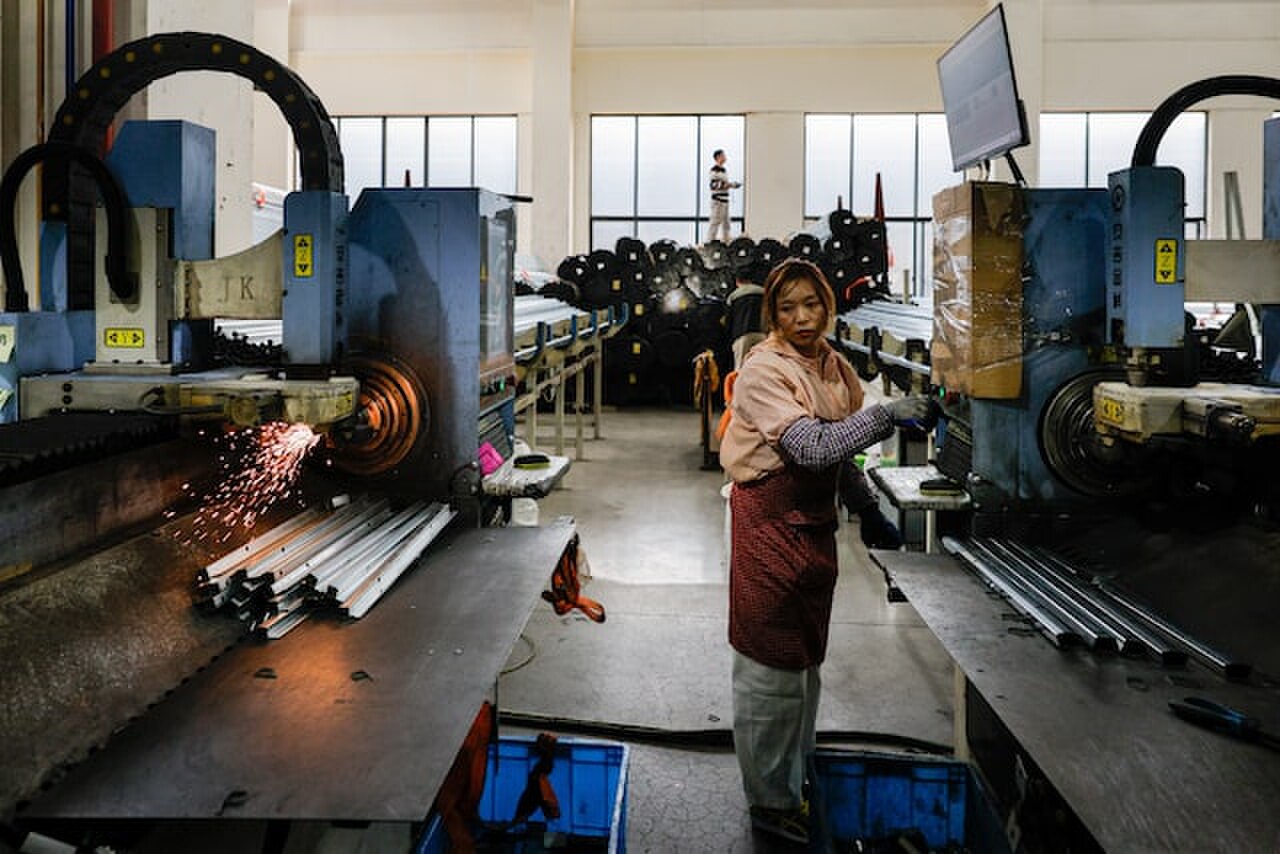
BEIJING: China’s producer inflation accelerated to its fastest rate in nearly 4-1/2 years in October as higher global oil prices raised manufacturing costs, even as consumer inflation cooled amid weak domestic demand, data showed on Monday.
The war in the Middle East has kept energy prices high, raising costs for coal mining, oil and natural gas extraction and processing, chemicals and other energy-intensive sectors, a key driver of producer-price inflation.
But those upstream price pressures have yet to fully feed through to consumers as weak household demand constrains spending in the world’s second-largest economy.
The producer price index climbed 5.7% last month from a year earlier, the National Bureau of Statistics said, higher than both the 5.0% increase in September and a Reuters poll forecast of a 5.3% rise. It was the largest annual rise since June 2022, when the PPI rose by 6.1%, according to LSEG data.
The consumer price index rose by 0.7% year-on-year, after a 0.9% rise in September, to come in just below economists’ expectations for a 0.8% increase.
“We think the price shock from the Middle East conflict will keep inflation elevated over the coming months. But its impact should fade next year,” said Nguyen Hoang Nam, China economist at Capital Economics.
He expected a return to deflation in producer prices, as had been the case before the outbreak of war in the Middle East, while consumer inflation would average 0.4% in 2027.
Greater impact from external shocks
Data last month showed China’s economy grew faster than expected in the third quarter as exports remained resilient despite a weak household sector, but trade tensions and an increasingly uncertain global outlook are clouding the outlook.
External shocks are having a greater impact on activity, and the imbalance between robust supply and weak domestic demand remains pronounced, an official at China’s state planner said last month.
China’s struggling stock market, where AI-related stocks have tumbled from lofty valuations on concerns about AI demand and export restrictions targeting China, could further weigh on consumer spending.
China’s factory activity shrinks
Core inflation, which excludes volatile food and energy prices, eased to 0.8% in October from 1.0% in September, offering a gauge of underlying price pressures in the economy.
“The CPI inflation stayed at a low level which reflects that domestic demand remains weak. We have not seen significant policy stimulus so far. Export growth has been phenomenally strong, which may be the reason why China is not in a rush to launch new stimulus,” said Zhang Zhiwei, chief economist at Pinpoint Asset Management.
China’s efforts to curb the yuan’s rapid gains, which have squeezed exporters’ margins even as shipments remain strong, alongside a series of measures to stabilise the capital market, have yet to translate into a meaningful recovery in consumer sentiment.



















Comments