



EDITORIAL: The alarming deterioration in air quality across Lahore and other cities of Punjab, with the Air Quality Index (AQI) crossing 530 in Lahore and reaching even higher levels in Gujranwala, should serve as another wake-up call for policymakers. While crop-residue burning undoubtedly contributes to the annual smog crisis, it is misleading to attribute the problem primarily to this factor, particularly to crop burning across the border in Indian Punjab, as the authorities have often tended to do.
According to an analysis published by environmental monitoring website HamariHawa, NASA satellites detected 13,241 fire spots in Pakistani Punjab between October 1 and 29, compared with 3,158 in Indian Punjab — 4.2 times as many. Around 92 per cent of the detected fires on our side were located on farmland and were likely associated with crop-residue burning. These figures underline the need to acknowledge our own contribution to the crisis rather than deflecting responsibility across the border.
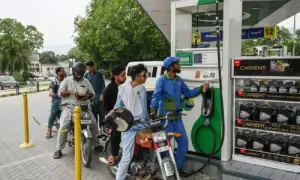
However, agricultural burning is only one part of a much wider problem. Pakistan needs a comprehensive assessment of all major sources of air pollution, including industrial emissions, vehicular traffic and the poor quality of fuel being used across the country. Vehicular traffic, in particular, is a major contributor to urban air pollution. In the absence of an efficient and affordable mass-transit system, the ever-increasing number of cars, motorcycles, buses, trucks and ageing commercial vehicles on our roads releases enormous quantities of harmful pollutants, including fine particulate matter and nitrogen oxides. The problem is compounded by inadequate vehicle inspection and maintenance, weak enforcement of emission standards, traffic congestion and the widespread use of substandard fuels. Unless these issues are addressed, seasonal restrictions, anti-smog campaigns and occasional crackdowns will offer little more than temporary relief.
Against this backdrop, the government’s decision to remove the five-year age limit on commercial imports of used vehicles, including passenger cars, raises serious environmental concerns. At a time when major cities are already struggling with dangerously high pollution levels, allowing older imported vehicles into an increasingly congested transport system risks adding to vehicular emissions, particularly in the absence of stringent environmental and roadworthiness standards. Such a policy sits uneasily with the government’s stated commitment to improving air quality and protecting public health.
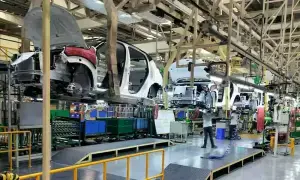
Rather than encouraging continued dependence on conventional petrol and diesel vehicles, the government should accelerate the transition towards electric and hybrid transport. This requires more than announcements and incentives. Affordable financing, lower import duties on electric vehicles and essential components, adequate charging infrastructure and a supportive local manufacturing policy are necessary to make cleaner transport accessible to ordinary citizens. Equally important is the need to improve fuel quality, which remains a critical but often overlooked dimension of the pollution problem. Strict monitoring of petrol and diesel standards is essential to ensuring compliance with Euro 5 fuel specifications, particularly their limits on sulphur content, which has a direct bearing on vehicular emissions. Regular vehicle emission testing, for which the provincial authorities have recently announced measures, must also be rigorously implemented, with meaningful penalties for non-compliance.
Punjab needs consistent, evidence-based environmental policies rather than contradictory decisions that risk undermining their own objectives. The government must stop treating smog as merely a seasonal or cross-border problem and address the sources of pollution within its own jurisdiction. Cleaner transport, better-quality fuel, effective industrial emission controls and a sustained reduction in agricultural burning must form the pillars of a credible anti-smog strategy. Clean air is not a seasonal luxury; it is a basic public-health necessity.
Copyright Business Recorder, 2026















Comments