


‘One extra unit, six months of punishment: stop unfair power and gas bill system, please’
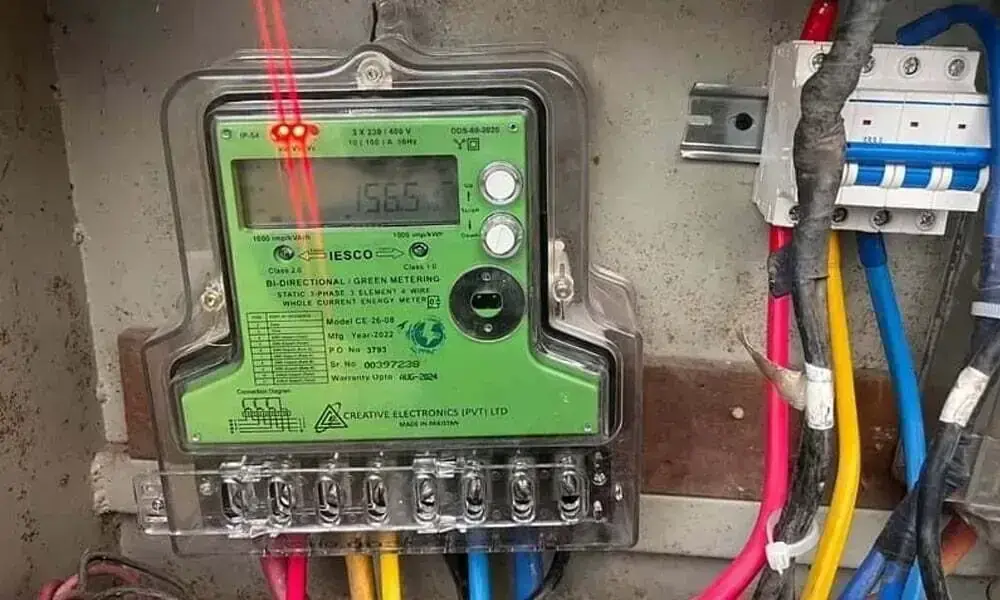
This is apropos a letter to the Editor from this writer titled ‘One extra unit, six months of punishment: stop unfair power and gas bill system, please’ carried by the newspaper in recent days.
- Charge higher rates only on the excess units
A third, and potentially more equitable, solution would be to charge higher rates only on the electricity consumed beyond the prescribed threshold.
For instance, if the protected threshold is 200 units and a household consumes 230 units, the first 200 units could be charged at the applicable protected rates, while the additional 30 units would be charged at the relevant higher rate.
This would prevent a marginal increase in consumption from triggering a disproportionate increase in the total bill.
Such an approach would also create a clearer relationship between consumption and cost: households would pay more when they use more electricity, but they would not automatically lose the benefit of lower rates on all their units merely because they crossed the threshold.
The same principle could be considered for domestic gas tariffs, with appropriate adjustments for seasonal demand, supply costs and the structure of gas consumption.
Zahid Rajput (Karachi)
Copyright Business Recorder, 2026


















Comments