


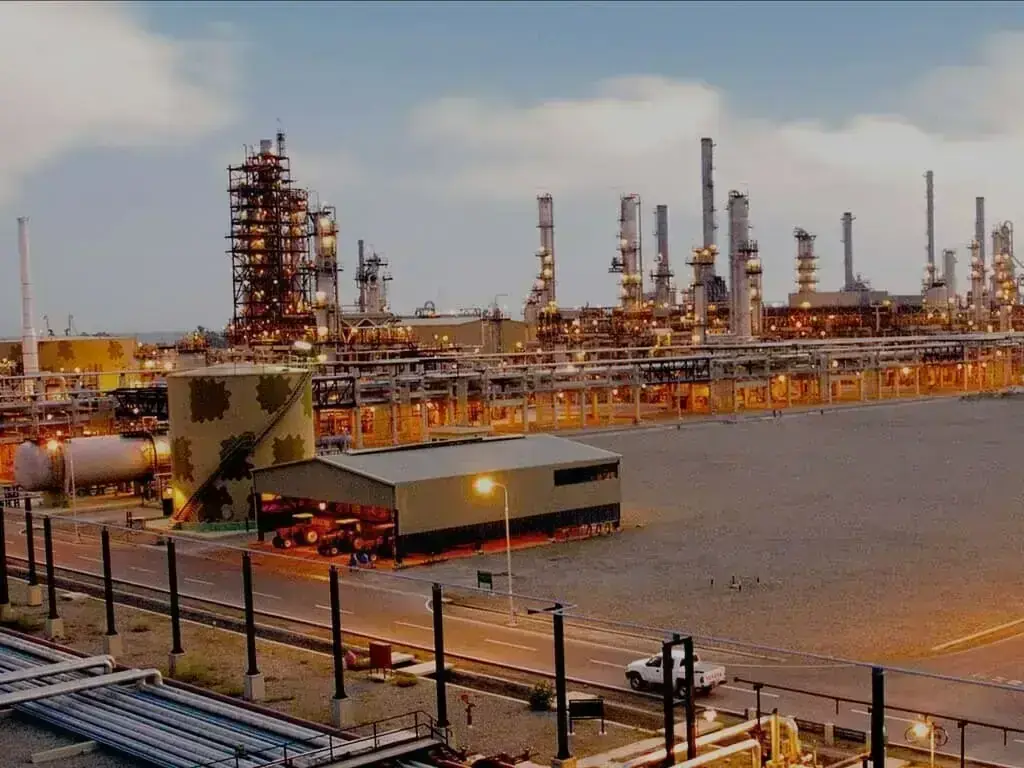
KARACHI: Pakistan’s oil refineries have expressed serious concerns over the government’s revised pricing mechanism for petroleum products, demanding the immediate withdrawal of the new Motor Spirit (MS) pricing mechanism introduced on October 31, 2026, warning that the unilateral changes could undermine refinery viability, disrupt fuel supplies, and jeopardize investment commitments under the Brownfield Refining Policy.
In a joint letter to the federal government, the refineries said that the revised mechanism could result in financial losses of up to Rs 49 per litter through an un-recovered Petroleum Levy (PL), arguing that the move is inconsistent with the agreed pricing framework and could delay critical refinery upgrade projects.
Attock Refinery Limited, National Refinery Limited, Cnergyico Pk Limited and Pakistan Refinery Limited have jointly expressed concerns and also called for restoration of the previous pricing formula and urgent consultations with the relevant authorities.
READ ALSO: Petrol pricing changes may cause refineries Rs49/litre loss
In a letter sent to Federal Minister for Petroleum, while appreciating the government’s efforts to protect consumers from exceptional fuel prices, refineries have protested on the unilateral changes in MS pricing mechanism effective 31 October 2026 and requested for its immediate withdrawal.
“This unexpected measure will have a serious adverse impact on refinery viability and investments committed under the Brownfield Refining Policy and the revised Pricing mechanism of MS uses actual or last available PSO cargo costs for imported MS, but freezes the premium, incidentals and customs-duty components allowed to refineries at the 7th March 2026 levels,” they said.
Under the revised pricing, the Refineries are required to surrender the resulting difference of Rs 49 per litre as PL.
Despite acknowledging the ongoing Iran-US war, the government has retained pre-war pricing components for locally refined MS, ignoring rising crude, freight, insurance and financing costs. Refineries warn that this mismatch will undermine cost recovery, making production loss-making and risking supply disruptions and delays in refinery upgrades.
The refineries maintained that the Brownfield Refining Policy protects existing upgrade agreements and investment commitments. They argue that the agreements guarantee policy stability, including fiscal incentives and timelines, while any amendments require written consent from the parties.
According to the refineries, the revised mechanism requires them to surrender Rs 49.02 per litre in Petroleum Levy without corresponding recovery in their entitled ex-refinery prices. They argue that this effectively turns a pass-through pricing component into an un-recovered financial burden, undermining refinery viability and discouraging local production of MS.
The refineries further stated that previous changes to the pricing formula were made after consultation with industry stakeholders, whereas the latest revision was imposed unilaterally without giving them an opportunity to present their concerns. They also highlighted that the Cabinet’s directive limits the pre-war pricing arrangement to 30 days, while the petroleum levy notification remains effective “till further orders”, creating uncertainty and potentially undermining investment commitments under the refinery upgrade framework.
The refineries reaffirmed their commitment to consumer protection, uninterrupted fuel supplies and the timely completion of upgrade projects. However, they termed the revised mechanism an unfair measure imposed without consultation, arguing that the cost of providing relief to consumers should not be shifted solely onto refineries at the expense of their financial viability and agreed investments, warning that such a move could set an undesirable precedent.
They have requested immediate withdrawal of the 7 March 2026 pricing freeze and related differential surrender; restoration of the pricing formula applicable before 31 October 2026 and immediate instructions to OGRA to give effect to these corrective measures.
Copyright Business Recorder, 2026


















Comments