



TOKYO: Japan is in the midst of a major push to revive its chip sector, but its latest investments show how Tokyo is being pulled into helping the US build up its own semiconductor industry.
Japan will invest up to USD21 billion to build two chip factories in New York state, under a deal announced last week by GlobalFoundries, which is majority-owned by Abu Dhabi’s sovereign wealth fund, Mubadala Investment Co.
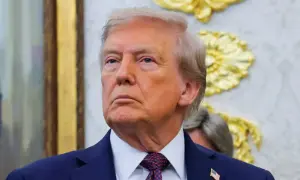
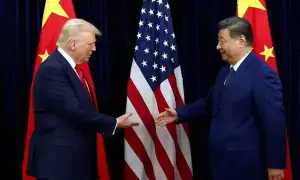
It is part of a pledge to invest USD550 billion in the US made with the Trump administration in return for lower tariffs. Under that deal, the US president - not Japan - gets to select the projects. That shows the price Japan is paying to maintain trade relations with the US, the world’s largest economy and its closest security partner. But the pledge, agreed to in July 2025, will not do much to resurrect Japan’s chip industry and will have a limited impact on improving its supply chain resilience, experts said.
“Japan is funding US semiconductor capacity without necessarily gaining much of the advanced chip technology or domestic manufacturing capabilities it wants,” said Nori Chiou, investment director at White Oak Capital.
US President Donald Trump imposed tariffs on countries around the world last year to try to shrink the US trade deficit, with governments in South Korea and Taiwan also making investment pledges.
It is not the first time that Japan has been pushed around by the US over chips. In the 1980s, Japan - the globally dominant chipmaking centre - agreed to restrict semiconductor exports to the US, with memories of that period remaining a sore point for bureaucrats in Tokyo. “Investment in the US is, ultimately, a measure for dealing with Trump. It is essentially about buying time in order to maintain the US-Japan relationship,” said a Japanese government source, who declined to be named as the issue is politically contentious.
INDISPENSABLE PARTNER
Earlier this month, Japanese industry minister Ryosei Akazawa, when asked if corporate investment in the US could weaken investment in Japan, said: “We believe that investment in the US and domestic growth investment are entirely compatible.” “Japan is a partner the US cannot do without to maintain its supremacy as a hegemonic power in economic, security and technological terms,” Akazawa said last week. He negotiated the investment pledge in a previous role.















Comments