


Rs 500, one journey at a time: what fuel relief means for ordinary families
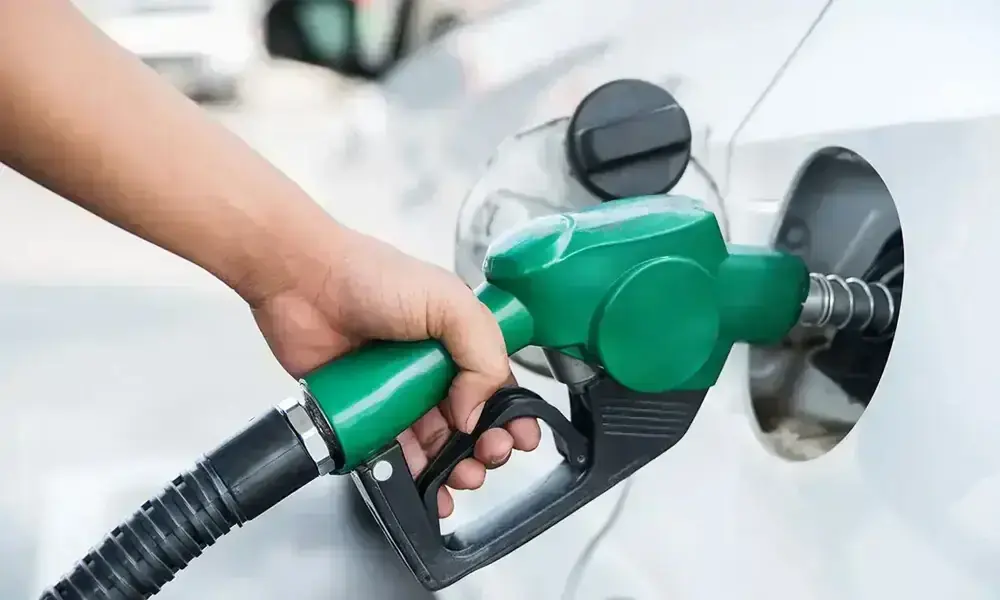
For a family living on a limited income, the price of petrol is not simply an economic headline. It is a household calculation.
It is the question of whether there will be enough money left for fuel after groceries have been purchased. It is the daily cost of riding a motorcycle to work. It is the expense a rickshaw driver must bear before he can earn his day’s income.
For millions of ordinary Pakistanis, mobility is inseparable from livelihood.
That is why the Prime Minister’s Special Relief Scheme for petrol carries significance beyond its monetary value. Under the scheme, eligible motorcycle, rickshaw and Qing Qi users receive Rs 500 in weekly fuel relief, while cars with engine capacities of up to 800cc are eligible for relief on 30 liters of petrol each month through three 10-litre tokens issued at ten-day intervals.
For a low-income household, Rs 500 saved on fuel can be redirected towards another essential expense.
It could help pay for a child’s school supplies. It could contribute to the weekly grocery bill. It could cover part of a utility bill or simply leave a little more money available at the end of the week.
The amount may appear modest when viewed in isolation. At the household level, however, regular savings, even small ones, can make a meaningful difference.
The importance of the scheme becomes particularly clear for people whose vehicles are directly connected to their income.
Consider a motorcycle rider travelling to work every morning. The motorcycle is not a status symbol; it is his means of reaching his workplace.
Consider a delivery rider. Every kilometer travelled is linked to an opportunity to earn.
Consider a rickshaw or Qing Qi driver. For him, fuel is not merely an expense; it is one of the essential costs of generating an income.
For these citizens, keeping transportation affordable can help preserve the vital link between mobility, work and earnings.
The government has also introduced several changes aimed at making the scheme easier and more convenient to use. Registration through SMS to 9771 has been made free. The requirement to purchase at least five liters in a single transaction has also been removed, allowing eligible users to receive the full Rs. 500 weekly relief even when purchasing a smaller quantity of petrol.
This change is particularly relevant for families whose finances are managed from day to day.
Not every household can afford to fill a fuel tank in a single transaction. Some people purchase petrol according to the amount of money available to them at a particular moment. A more flexible mechanism therefore makes the relief better suited to the financial realities of low-income households.
The inclusion of vehicles registered from January 1, 2006, is another significant aspect of the scheme. Older motorcycles and small vehicles remain an essential means of transportation for many families that cannot easily afford newer vehicles. Digital technology has also become an important component of the programme.
Citizens can register through SMS, while the system connects their CNIC, SIM, vehicle information and fuel token. This creates a mechanism for verifying eligibility and facilitating the delivery of assistance to those who qualify.
The involvement of multiple institutions, including NADRA, PTA, NITB, the Petroleum Division, OGRA, financial institutions, district administrations and telecom operators, demonstrates the scale of coordination required to turn a policy decision into a service that reaches citizens at the petrol pump. For ordinary people, however, technology matters most when it makes life simpler.
The real measure of digital government is not how sophisticated a system appears from an office. It is whether an ordinary motorcycle rider can use it easily, confidently and without confusion.
This initiative also provides an opportunity to think beyond immediate fuel relief.
Pakistan’s dependence on imported petroleum means that developments in international energy markets can eventually affect domestic households. One possible long-term response is greater adoption of electric motorcycles and rickshaws.
Such a transition will take time. Electric vehicles have higher upfront costs, charging infrastructure needs to expand, and affordable financing options must become more widely available to ordinary citizens.
Yet the very people who currently depend on motorcycles and rickshaws for their livelihoods could eventually become among the biggest beneficiaries of affordable electric mobility.
Imagine a future in which a motorcycle rider can obtain affordable financing for an electric bike, charge it conveniently near his workplace and complete his daily journeys at a significantly lower operating cost.
Such a transformation could turn today’s fuel-relief efforts into part of a broader, long-term strategy for economic resilience and more affordable mobility. There is also a human dimension that should not be overlooked.
When people live on limited incomes, every additional expense requires a decision. An increase in petrol prices can therefore affect an entire household budget. Targeted relief can give families some additional breathing room, helping them manage financial pressures without disrupting their daily routines.
The success of the scheme will ultimately depend on how effectively the relief reaches people for whom it is intended. Easy registration, reliable token verification, clear communication and accessible complaint mechanisms will all play an important role.
But the broader principle is important: economic relief is most meaningful when it reaches people where they actually feel the pressure.
For a low-income Pakistani, Rs. 500 is not simply Rs. 500. It can represent a journey to work. A delivery completed. A child taken to school. A day’s wages protected. A little more room in the household budget. And sometimes, that little bit of breathing space can make a meaningful difference. Because behind every motorcycle, rickshaw and Qing Qi is more than just a vehicle.
There is a livelihood.
There is a family.
And there is a journey that matters.
Copyright Business Recorder, 2026
The writer studies at National College of Arts





















Comments