


What is a Panda Bond, and why does Pakistan want more of them?
Pakistan's inaugural Sustainable Development Panda Bond, raising $258 million from China's capital market, won an international award, opening a new financing avenue for sustainable projects.
- Pakistan's entry into China's capital market.
- The nature and purpose of Sustainable Panda Bonds.
- New financing avenues for Pakistan's development.
- Future plans for recurring bond issues.
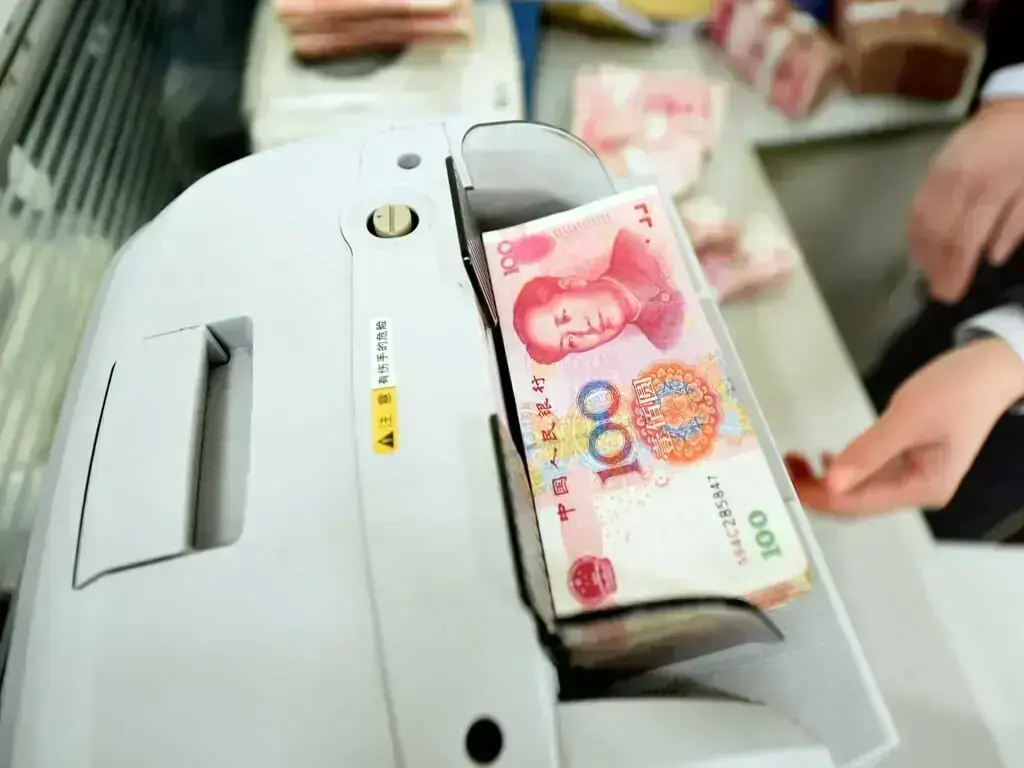
Pakistan’s first Sustainable Development Panda Bond has won an international award, putting the country’s entry into China’s capital market in the spotlight.
Pakistan received the Pioneer Sustainable Sovereign Panda Bond Issuer Award at the 2026 APAC Climate Bonds Awards after raising CNY1.75 billion, or around $258 million, through the three-year bond.
So what exactly is a Panda Bond — and why does it matter for Pakistan?
Simply put, a Panda Bond is a bond issued in China’s capital market by a foreign borrower.
In Pakistan’s case, the government borrowed money from investors through China’s financial market. The bond has a three-year maturity and carries a 2.5% coupon.
Think of it as Pakistan opening another door to borrow money — this time from investors in China’s capital market rather than relying only on its traditional sources of external financing.
Why does it matter?
The biggest point is not just the $258 million.
It is who Pakistan can now borrow from.
According to Finance Minister Muhammad Aurangzeb’s adviser Khurram Schehzad, demand for the bond was more than five times the amount Pakistan was offering.
That means investors wanted to buy considerably more of the bond than Pakistan initially planned to issue.
For Pakistan, this creates access to a new pool of institutional investors and gives the government another source of financing.
In simple terms: more markets can mean more options.
The government has also said it does not intend for this to be a one-off transaction. Aurangzeb has said Pakistan plans to return to China’s capital market with further issues.
But why is it called “sustainable”?
This wasn’t simply a case of Pakistan borrowing money and spending it wherever it wanted.
The bond was structured as a Sustainable Development Bond, with proceeds intended for environmentally friendly and socially important investments.
The sectors identified include water, energy and health.
That means the borrowing is tied to projects that fall within the bond’s sustainability framework, rather than being general-purpose financing.
Why China?
Pakistan already has a significant financial and economic relationship with China. But this transaction adds another dimension: access to China’s domestic capital market.
Instead of approaching Chinese institutions only through traditional lending or bilateral financing, Pakistan can now potentially tap a broader pool of investors in China’s bond market.
That is particularly relevant for a country that needs multiple sources of external financing.
The debut issue also attracted strong investor interest, with demand exceeding the amount Pakistan offered by more than five times.
So why the award?
The Climate Bonds recognition is for Pakistan’s inaugural sustainable sovereign Panda Bond and its entry into China’s capital market.
For Pakistan, the significance goes beyond the award itself. The transaction has broadened the country’s potential investor base and given it another route to raise funds internationally.
And the government says it plans to use it again.
Finance Minister Muhammad Aurangzeb has said Pakistan will not be a one-time issuer in China.
That means the Panda Bond could become more than a single $258 million transaction. If Pakistan returns to the market, it could establish a recurring channel for raising funds from Chinese investors.
For now, Pakistan has used the Panda Bond to do three things at once: raise financing, enter a new investor market and direct the proceeds towards sustainable projects.
And if the government’s plans hold, this may be the first of several such issues.























Comments