


While the world burns, literally
Global food prices are rising due to converging crises: extreme weather, ongoing wars, and trade disruptions, creating dangerous economic pressures as governments fail to act.
- Extreme weather and geopolitical conflicts driving food inflation.
- Impact of El Nino and trade route disruptions on global food supply.
- Vulnerability of poorer nations to rising energy, fertilizer, and food costs.
- Government failures to address converging global emergencies.
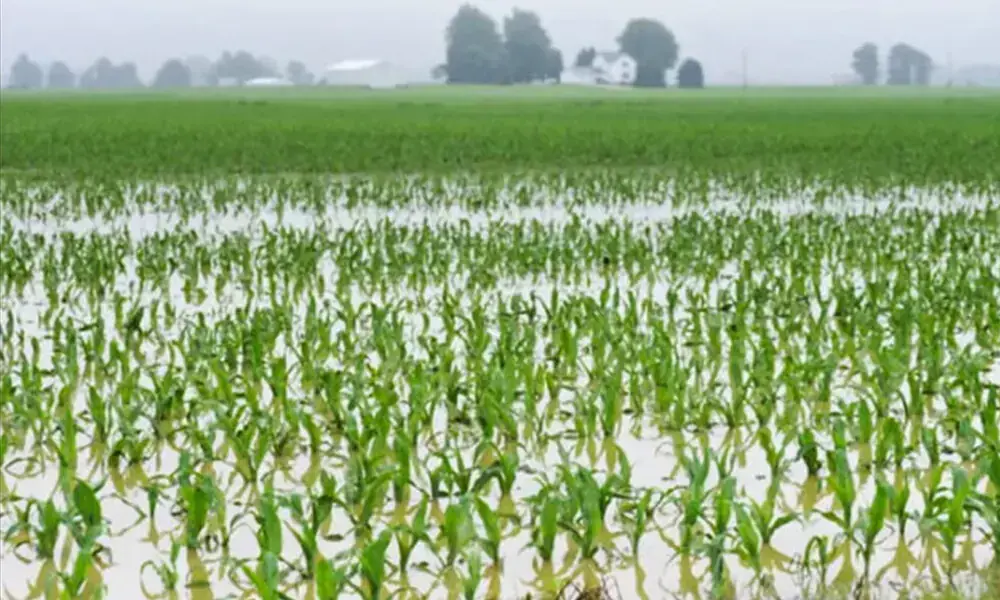
EDITORIAL: The latest rise in global food prices offers an uncomfortable measure of how several crises are beginning to reinforce each other. The UN Food and Agriculture Organisation’s food price index rose 1.9 percent in August alone and 2.5 percent from a year earlier, as extreme weather damaged crops while wars disrupted trade, energy and agricultural inputs.
Sugar prices jumped almost 12 percent in a month, wheat was 15 percent more expensive than a year ago, and even maize is feeling the consequences of disruption in the Strait of Hormuz. This is what happens when climate stress and geopolitical recklessness arrive at the same table.
And there is every reason to fear that the pressure will intensify. Exceptional heat has already reduced European crop yields, while a potentially record-strength El Nino threatens agricultural production across Asia. The closure of Hormuz has driven up fuel costs and disrupted an important route for fertiliser supplies. The Russia-Ukraine war, meanwhile, continues to interfere with Black Sea grain logistics years after it began. Each crisis enters the food chain through a different door, but eventually they meet in the price paid by consumers.
This convergence should be concentrating minds in governments everywhere. Instead, much of the international political elite remains consumed by the pursuit of military advantage, geopolitical leverage and domestic political survival.
Wars that have long since demonstrated their capacity to generate economic damage beyond their battlefields continue because the protagonists remain unwilling to compromise. Climate warnings become more alarming with every passing year, yet meaningful preparation continues to lag behind increasingly violent changes in weather.
Food is where these failures become particularly dangerous. Higher oil prices raise the cost of cultivation, transportation and processing. Fertiliser shortages increase production costs and eventually threaten yields. Drought and extreme heat reduce supply directly.
Disrupted shipping then makes moving whatever is produced more expensive and uncertain. These pressures can accumulate rapidly, leaving poorer countries importing both the consequences of distant wars and the inflation generated by a warming planet.
Pakistan should be especially worried. Its households already devote a large share of their incomes to food, its agriculture remains highly exposed to extreme weather, and its external account is vulnerable to increases in imported fuel and commodities.
A simultaneous rise in energy, fertiliser and food costs would travel quickly through domestic prices while adding pressure on foreign exchange requirements. The poorest households would inevitably suffer first because they possess the smallest cushion against another inflationary shock.
Yet the larger absurdity belongs to the international order itself. Governments have spent years acknowledging climate change as an existential threat while continuing to behave as though its economic consequences belong safely in the future.
At the same time, conflicts in Ukraine and the Middle East have been allowed to threaten grain routes, energy supplies, fertiliser availability and shipping through one of the world’s most important maritime passages. The political class appears remarkably skilled at identifying global emergencies and considerably less capable of preventing them from colliding.
The FAO numbers should therefore be read as an early warning. A 1.9 percent monthly increase in its index is manageable in isolation. The forces driving it are far more troubling because several could persist or worsen simultaneously.
A powerful El Nino will continue affecting weather patterns, wars show little sign of ending, Hormuz remains disrupted and agricultural producers must make planting decisions amid uncertainty over costs and climate conditions.
The world has already learned how quickly food, fuel and financial shocks can travel across borders. It should also have learned that waiting until shortages appear and prices explode is an exceptionally expensive form of crisis management. Yet here we are again, sleepwalking towards overlapping emergencies while those with the power to defuse some of them remain preoccupied with acquiring still more power.
Copyright Business Recorder, 2026



















Comments