


Remittances doing well
Pakistan's remittance inflows surged 15% in July-August 2026, reaching $7.3 billion, bolstering external buffers despite concerns over discontinued incentive schemes and potential Middle East conflict impacts.
- Pakistan's 15% surge in remittance inflows.
- Impact of discontinued remittance incentive schemes.
- Concerns over future flows from Gulf countries.
- Remittances' critical role in foreign exchange reserves.
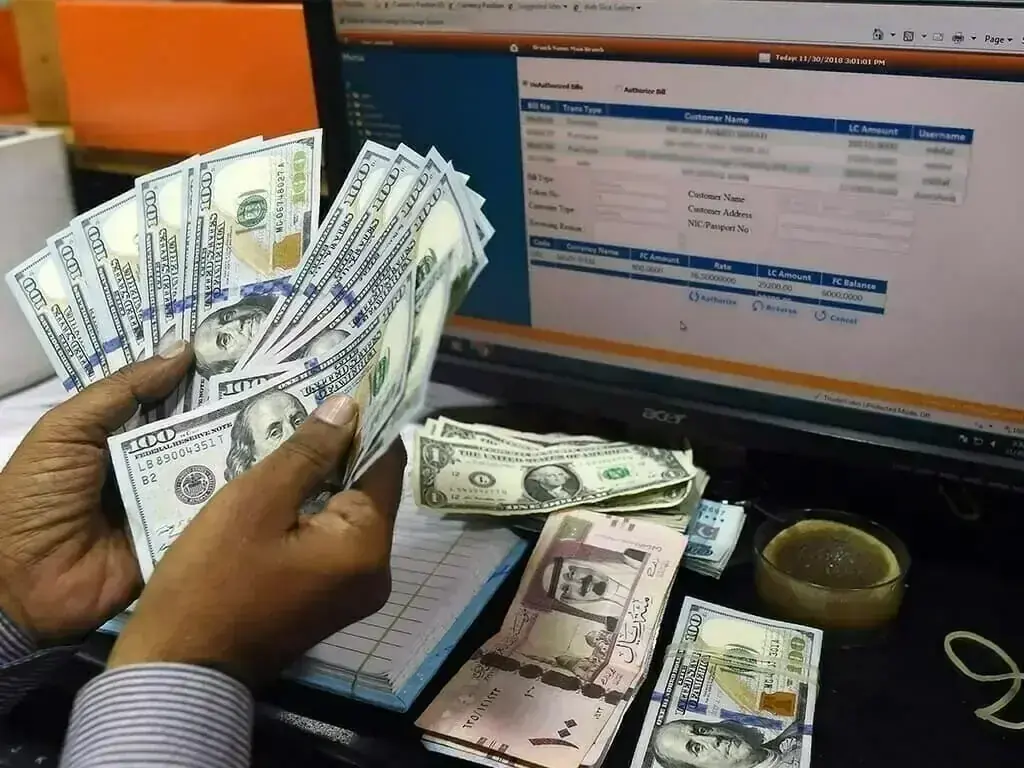
EDITORIAL: Remittance inflows rose by 15 percent during July-August 2026 compared to the same period the year before - to 7.3 billion dollars against 6.4 billion dollars, prompting Khurram Schehzad, advisor to the Finance Minister, to maintain that “strong home remittance inflows will help strengthen the country’s external buffers and enhance overall economic resilience.”
The major contributors to a rise in remittances were Saudi Arabia at 873.5 million dollars (12 percent of total), the United Arab Emirates at 749.8 million dollars (10 percent) followed by the United Kingdom at 563.7 million dollars (7.7 percent) and the United States at 308.9 million dollars (4 percent) of the total.
Remittance inflows have been rising since 2020 to reach a high of 41.6 billion dollars in 2025-26 due to what the Economic Survey 2025-26 claimed were the initiatives of government and State Bank of Pakistan (SBP) playing “an important role in sustaining formal inflows. The increased use of digital payment platforms, including RAAST, helped improve transaction speed and transparency, while simplification of the rebate structure for transfer charges reduced costs of remitters and service providers. These measures, together with stable exchange rate environment, encouraged the use of banking and exchange company channels and helped limit diversions toward informal markets.”
However, effective 1 July 2026, the SBP discontinued two government-backed remittance incentive schemes under the International Monetary Fund pressure including: (i) Sohni Dharti remittance programme that allowed a point-based reward system with redeemable points for sending money through official channels; and (ii) telegraphic transfer charges incentive scheme that cost the government 100 to 120 billion rupees per year to reimburse commercial banks and exchange companies from waiving the transfer fee. For the first two months of the suspension of these schemes, remittances have continued to rise; however, there are concerns that in time the remitters from the Gulf States, largely unskilled workers, may revisit their use of the official channels. It is therefore critical for the government and the SBP to be continuously vigilant as to the impact, if any, on the inflows through official channels after withdrawal of these two incentive schemes.
In addition, the ongoing Middle East conflict has legitimately raised concerns that remittance inflows maybe negatively impacted from the Gulf countries. In effect, the SBP has to be alert to any decline in inflows and for the government remain proactively engaged with the Gulf countries to ensure that Pakistani remitters are not affected.
Exports, the other desired source of earning foreign exchange, have unfortunately stagnated at around 29 to 30 billion dollars a year with imports rising, leading to a trade deficit that feeds into the current account deficit. Needless to add, remittances bridge the gap to more sustainable levels. Export proceeds—when there is no under-invoicing by the exporter (an illegal practice whereby the exporter puts a lower price on the invoice than actual)—are not only backed by higher domestic output leading to increased employment opportunities, but may also be ploughed back into the business. Remittance inflows, in contrast, are mainly for consumption purposes; while this raises the standard of living of the recipients, it can drive up inflation.
There is no gainsaying that the demand for unskilled and uneducated labour force will decline in the Gulf countries and that the government must immediately institute an active programme for imparting technical skills to ensure continued presence of semi-skilled and skilled workforce from Pakistan in the Gulf countries.
Given that foreign exchange reserves—strengthened to $17.1 billion largely through external borrowing (as noted on the SBP website on August 28, 2026)—are estimated to be insufficient to meet the minimum IMF requirement of three months of imports, it is critical to ensure that both remittance inflows and exports continue to rise.
Copyright Business Recorder, 2026





















Comments