


Load-shedding amid power surplus
Punjab faces acute night-time load-shedding despite surplus generation, primarily due to neglected transmission infrastructure, LNG shortages, and a skewed focus on power generation over distribution.
- Reasons for persistent night-time power outages in Punjab.
- Impact of neglected power transmission and distribution infrastructure.
- Challenges with LNG supply and high spot market prices.
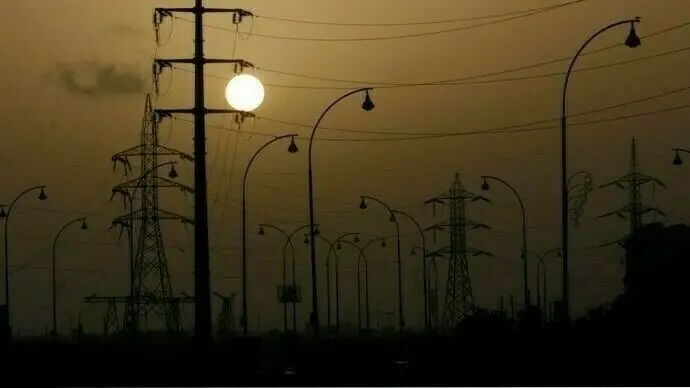
There is acute load-shedding in Punjab—particularly in Lahore and its surrounding areas—during the late-night and early-morning hours. Residents face two to four hours of outages between 9pm and 4am, while electrons flow freely during the rest of the day.
Some are asking why load-shedding persists when the country has surplus power and why the outages occur during the most inconvenient hours.
The answer lies in the skewed focus of successive governments—particularly those led by the PML-N—on power generation, while little has been done to upgrade transmission and distribution infrastructure. The surplus generation capacity is largely located in the south, while demand is higher in the north.
Peak demand in the north is met by running plants on imported LNG, which is currently in short supply at affordable rates. With hydel generation reduced as water flows are curtailed during periods of heavy rainfall, and extremely humid weather pushing up demand, the authorities are resorting to cutting night-time consumption to balance supply and demand.
Thanks to massive solarisation, there is little shortage during the day while the sun is shining. Battery-operated systems also absorb some of the early-evening load. However, consumers remain almost entirely dependent on the grid at night, when air-conditioning demand peaks.
The government dearly misses the long-term RLNG supplies contracted from Qatar to meet this demand gap. Spot LNG cargoes are available, but at prohibitively high prices that the country cannot afford. Hence, the load-shedding.
The intriguing part is that Pakistan was forced to import excess RLNG before the war, when Qatar had not declared force majeure on its long-term contracts. Supplies were surplus and financially hurting the government, which, in turn, blamed solar power producers for eroding grid demand. Now, the same solar generation has become a blessing during the daytime.
Meanwhile, hydel generation has recently declined as water flows are curtailed during periods of heavy rainfall. Part of the shortfall is being met through high-cost furnace oil, with these plants operating close to full capacity and producing extremely expensive electricity. This is pushing up power costs. This is pushing up power costs, with CPPA-G seeking an FCA of Rs2.52 per unit for July—the sharpest increase seen in recent months. The adjustment could remain elevated in August.
The Power Division is offering weak excuses, shifting the blame to the Petroleum Division for not importing enough RLNG while spending much of its time countering criticism.
The government’s broader argument is that its hands are tied because the US-Iran war forced Qatar to suspend supplies. However, Pakistan faced a similar supply crisis in 2022, when it made the mistake of importing expensive LNG from the spot market.
While the country learned not to repeat that particular mistake, it failed to address the underlying problem.
Power-sector planning since 2015 has remained skewed, focusing largely on generation while paying far less attention to transmission and distribution. More power plants have been planned in the south without adequately considering the need for reactive power support in the north to enable transmission.
Solar installations cannot provide the same system support as conventional turbine-based generation under the existing grid setup. Therefore, private micro-level solutions alone cannot resolve the wider problem.
Two major transmission lines were planned: Matiari-Lahore and Matiari-Faisalabad. However, only one was completed, while construction of another major transmission project, MMR, has faced delays. No economically viable solution has been developed to utilise the power trapped in the south, partly because of the obsession with uniform electricity pricing.
Private investment in transmission remains absent, while government planning continues to lack a holistic approach.
Such episodes of acute shortages are therefore likely to continue because of both external and domestic factors.
The key is to attract private capital into transmission and distribution. It is also critical to take the privatisation of distribution companies seriously.
Allowing the private sector to participate in this part of the value chain could attract capital to areas where investment is most needed and where commercial returns are possible. Otherwise, history will continue to repeat itself—and we will keep writing about the same problems.






















Comments