


Govt to withdraw controversial telecom bill
The government has withdrawn the Pakistan Telecommunication (Amendment) Bill, 2026, as it failed to resolve critical Right of Way issues hindering telecom infrastructure deployment.
- Withdrawal of the Pakistan Telecommunication (Amendment) Bill.
- The bill's failure to resolve Right of Way issues.
- Impact on telecom infrastructure and future RoW approaches.
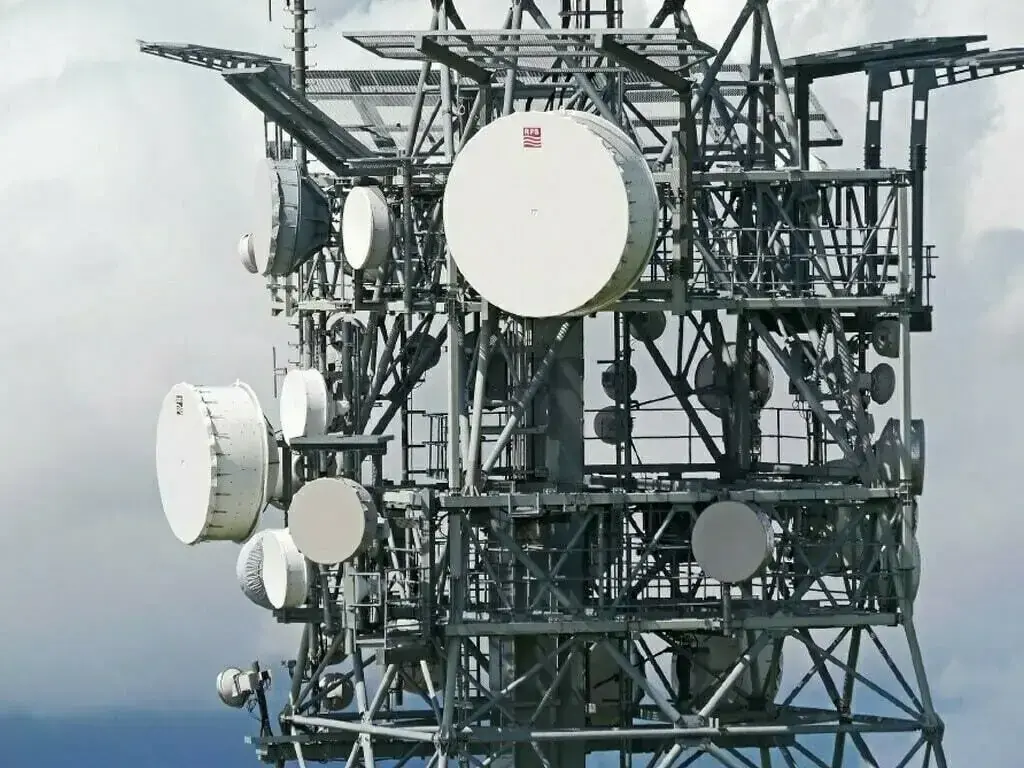
ISLAMABAD: The government has decided to withdraw the controversial Pakistan Telecommunication (Re-organization) (Amendment) Bill, 2026, after proposed changes failed to achieve the intended objectives, particularly resolution of long-standing Right of Way (RoW) issues confronting the telecom sector.
The decision to withdraw the bill will be formally placed before the Senate on Friday (today), with Minister for Information Technology and Telecommunication Shaza Fatima Khawaja seeking leave of the House under Rule 115 to withdraw the Pakistan Telecommunication (Re-organization) (Amendment) Bill, 2026, which was laid in the Senate on June 15, 2026.
The proposed amendments sought to substantially revise the RoW framework under the Pakistan Telecommunication (Re-organization) Act, 1996 by creating separate mechanisms for Independent Private Property, Common Development Property and Public Property.
READ MORE: Telecom bill protects private land: ministers
However, a key contentious provision required telecom licensees seeking RoW over independent private property to obtain prior written consent of the property owner and enter into a written agreement specifying the terms and conditions.
In case of failure to reach an agreement, the licensee would not have been entitled to exercise RoW over such property.
For common development property, including roads, streets, utility corridors, parks and other common areas in private developments, the draft proposed a time-bound mechanism. If the property manager failed to respond within 30 days, the matter could be referred to the appropriate government, which would have 45 days to decide the case after hearing the parties.
Similarly, for public property, telecom licensees would seek approval from the relevant public authority. Failure to respond within 30 days would allow the matter to be referred to the appropriate government for a decision within 45 days.
The draft also proposed that underground RoW on common development and public property would be free of any fee or charge. Temporary overground installations would also be exempt from charges, while specified installations such as poles, small cells and telecom lines could be exempt from fees subject to federal government rules.
Another important feature was the proposed protection against unreasonable interference once RoW had been lawfully granted. Property owners, common development property managers and public authorities would be barred from unreasonably obstructing or interfering with its exercise. Licensees, meanwhile, would be required to promptly repair damage caused by their works and restore affected areas.
The draft further provided that permanent buildings could not be used for telecom works without prior written consent of the building owner or authorised person, even where RoW had otherwise been granted.
To strengthen enforcement, the proposed legislation envisaged a fine for anyone who wilfully obstructed a licensee in the lawful exercise of RoW. Disputes would be referred to a designated district officer, who would be required to decide them within 45 days, with an appeal available before the Tribunal within 30 days.
Sources said the government subsequently reviewed the proposed amendments and concluded that the bill, in its existing form, was not delivering the required policy and regulatory outcomes, prompting the decision to withdraw it.
The withdrawal is significant for telecom operators, as RoW remains a major impediment to the rapid deployment of fibre, mobile infrastructure, small cells and other digital connectivity networks.
Industry stakeholders have repeatedly called for a clear, uniform and facilitative RoW regime to reduce delays, costs and administrative hurdles in telecom infrastructure rollout.
The government’s decision is expected to pave the way for a fresh approach to resolving RoW-related issues and strengthening the legal and regulatory framework for telecom infrastructure deployment.
Copyright Business Recorder, 2026

















Comments