


When the wheels stop turning
The nationwide transporters' strike, deferred for 40 days, caused significant economic damage, particularly to exports. The unresolved dispute highlights the government's failure to address grievances proactively, risking future disruptions.
- Economic damage from the nationwide transporters' strike.
- Government's delayed response to transport sector grievances.
- Risks to Pakistan's crucial export industry and global reputation.
- Establishing a permanent mechanism for dispute resolution.
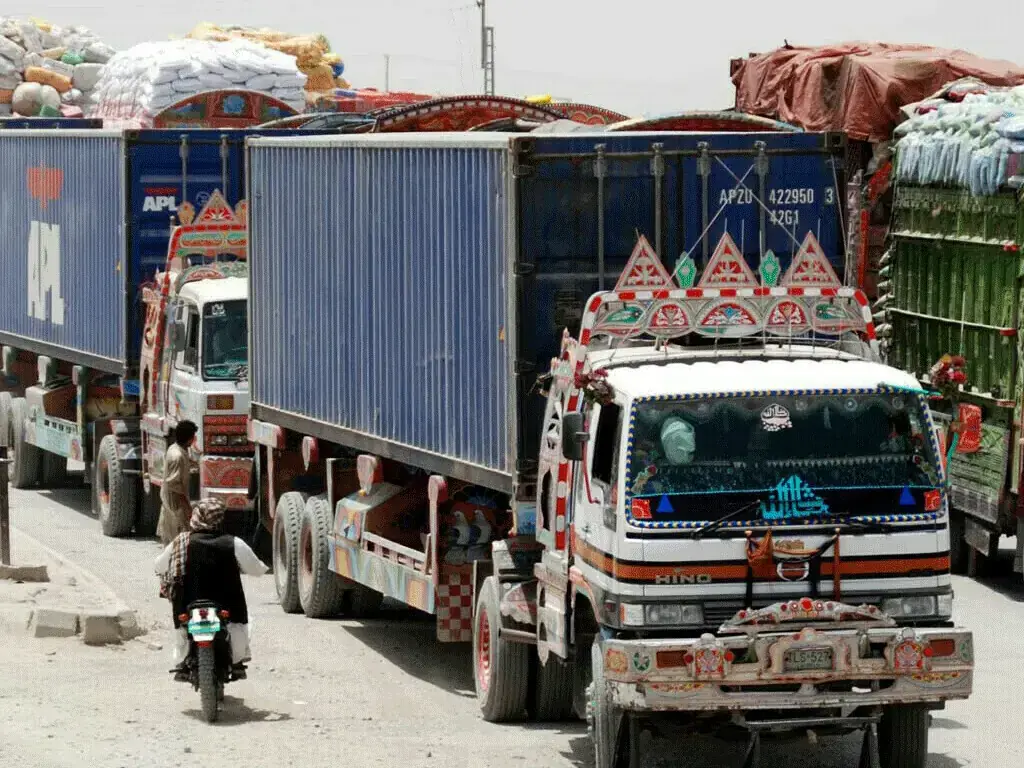
EDITORIAL: The nationwide goods transporters’ strike has been deffered for 40 days after nine days of disruption, but the economic damage has already been serious and the dispute itself remains unresolved. The Pakistan Textile Exporters Association estimates losses to exports and allied trade at nearly $900 million, with shipments missed, raw materials stranded and factories facing shortages. The distinction matters because this is only a pause: transporters have made clear that the strike can return if the government fails to honour its commitments.
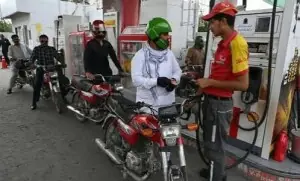
It is therefore a bit rich of authorities to appeal for national unity and cooperation after allowing the dispute to reach this point. Transporters had been complaining about rising fuel costs, toll taxes, parking facilities and axle-load limits, all matters that required engagement with different arms of government. Yet meaningful negotiations came only after freight movement had been paralysed for more than a week and the consequences had spread far beyond the transport industry.
The state bears responsibility for keeping the machinery of the economy functioning, and few parts of that machinery are as fundamental as transport. When trucks stop moving, imported raw materials remain at ports, locally produced inputs cannot reach factories and finished goods cannot reach ships. Domestic commerce between provinces is disrupted as well. This is therefore far more than an industrial dispute between transport operators and the government. Once the logistics network seized up, it became a national economic emergency.
The damage to textiles is particularly alarming. Pakistan’s flagship export industry depends upon uninterrupted movement of cotton, yarn, fabric, dyes, chemicals, machinery parts and finished consignments. Industry representatives have warned that containers have remained stuck at ports and terminals, production faces disruption and exporters risk missing shipment deadlines. In international trade, those failures carry consequences that cannot always be calculated from the immediate value of delayed consignments.
An exporter who misses a deadline can lose an order. Repeated failures can lose a customer. And when international buyers begin questioning whether Pakistan can deliver reliably, future orders can migrate to competing countries with more dependable supply chains. Lost credibility, reputation and market share can therefore prove considerably more expensive than the headline estimate of the immediate financial damage. Pakistan already struggles to expand exports and generate the foreign exchange its economy desperately requires. Allowing domestic administrative disputes to undermine the exports it already has is indefensible.
The 40-day suspension must therefore be treated as a deadline for settlement rather than an opportunity for everybody to return to business as usual. The government has committed to reviewing toll taxes, petroleum pricing, parking problems and axle-load disputes, with some matters expected to go before the federal cabinet. Those commitments must now be converted into clear decisions within the agreed period. The transporters, for their part, must negotiate responsibly and recognise the enormous economic consequences of shutting down the country’s freight network.
There is also a longer-term lesson. Pakistan cannot allow critical export and logistics infrastructure to become collateral damage whenever disputes arise. Government, transport associations, ports and major industrial bodies need a permanent mechanism for resolving such disagreements before they reach the point of nationwide disruption. Emergency arrangements should also protect essential export cargo while negotiations continue.
The strike may have stopped for now, but the clock has merely been reset for 40 days. That time must be used to produce a durable settlement. Otherwise, the trucks could stop again, and the largest bill will once more be presented to exporters, workers and an economy that had nothing to do with the dispute in the first place.
Copyright Business Recorder, 2026


















Comments