


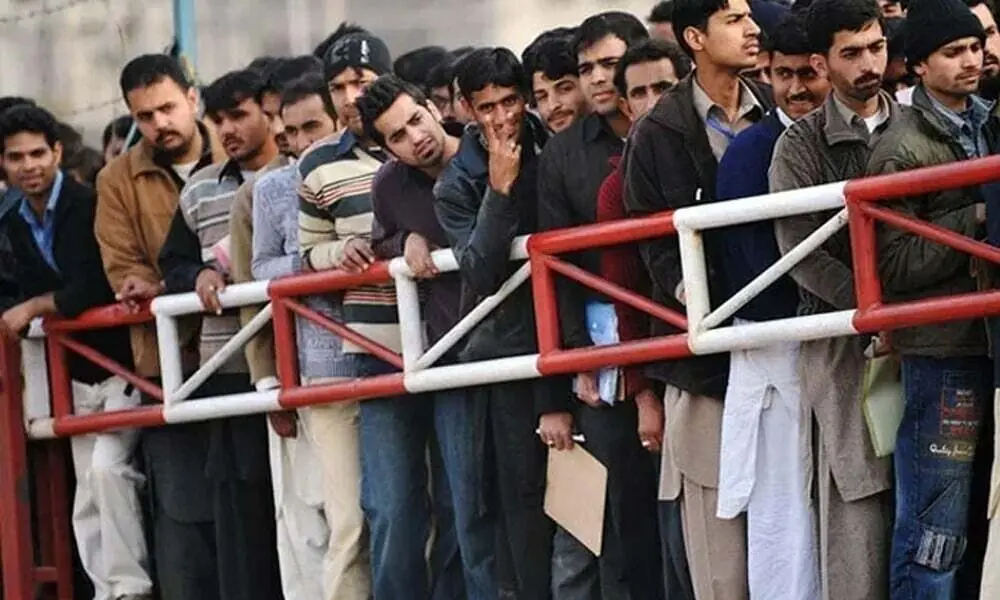
The migration of educated and skilled people from developing countries to more prosperous economies has become a major social and economic concern. Commonly described as “brain drain”, the phenomenon occurs when doctors, engineers, scientists, teachers, IT professionals and other highly qualified workers leave their home countries in search of better employment opportunities and living conditions abroad.
While migration can benefit individuals and contribute to the economies of destination countries, the loss of skilled professionals can create serious difficulties for the countries they leave behind. One of the principal reasons for brain drain is the search for better economic opportunities.
Skilled workers are naturally attracted to countries where salaries are higher, professional environments are more developed and career advancement is easier. In many developing countries, educated young people face unemployment, low wages and limited opportunities to use their qualifications effectively.
Consequently, moving abroad appears to be a rational decision rather than merely an expression of dissatisfaction with their homeland. Professionals are less likely to remain in countries where merit is perceived to be disregarded and economic policies frequently change. Concerns about security, access to quality healthcare, education and housing also influence decisions to migrate. In an increasingly connected world, international travel and digital communication have made it easier than ever for skilled workers to explore opportunities abroad.
Asad Jafar, Karachi
Copyright Business Recorder, 2026





















Comments